
How To
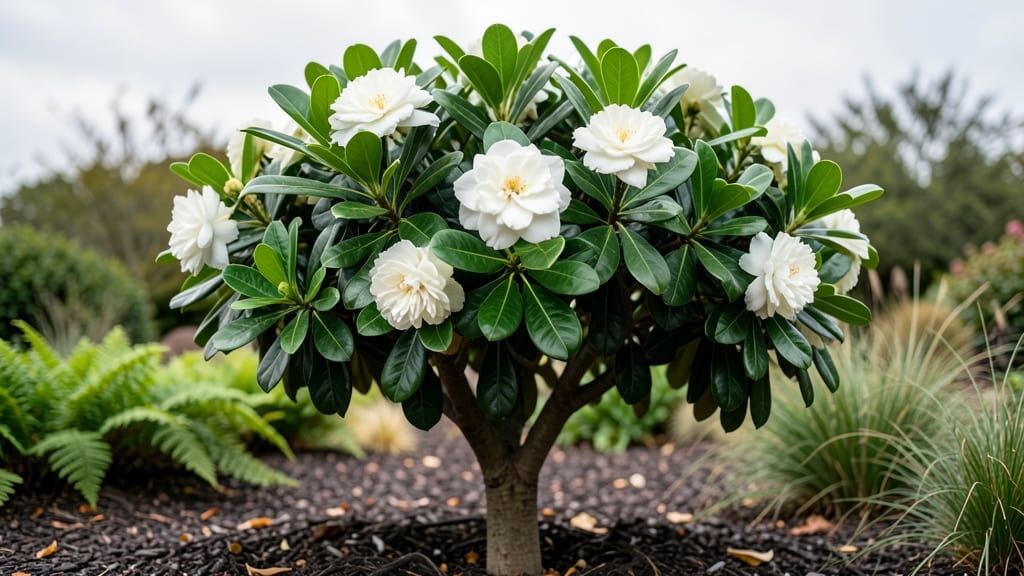
How tall does a gardenia tree grow? It can range between 3 and 15 feet tall, depending on the variety and how you prune them—so yes, that towering shrub in the catalog can stay small with the right care.
If you’ve ever dreamed of a fragrant gardenia tree but worried about it overtaking your yard, you’re not alone. Many gardeners assume these beauties will sprawl uncontrollably, but the truth is, pruning and variety selection are the real game-changers.
Some gardenia trees, like the compact 'Kleim’s Hardy,' max out around 3 to 6 feet, making them perfect for small gardens or containers. Meanwhile, standard varieties like 'Radicans' can reach 10 to 15 feet if left unchecked.
In this guide, I’ll break down how to keep your gardenia at your ideal height—whether you want a bushy 4-foot centerpiece or a tall, fragrant backdrop—plus the best pruning tips to encourage blooms year after year.


Gardenia tree height by variety: compact vs. tall-growing species
Choosing the right gardenia tree variety is key to controlling its height—whether you want a 3-foot patio centerpiece or a 15-foot statement shrub. Gardenias naturally grow between 6 to 15 feet, but some compact varieties stay under 4 feet with proper care.
The secret lies in selecting the right cultivar and understanding their growth habits to fit your space.
Most gardenias belong to the Gardenia jasminoides species, but their mature sizes vary dramatically. Dwarf varieties like 'Kleim’s Hardy' max out at 3 to 5 feet, making them perfect for containers or small gardens.
Meanwhile, standard types like 'Radicans' can reach 10 to 15 feet if left unpruned. Your choice depends on whether you prioritize fragrance, bloom size, or space efficiency.
| Variety | Mature Height | Best For | Notes |
|---|---|---|---|
| 'Kleim’s Hardy' | 3–5 ft | Containers, small gardens | Cold-hardy to Zone 6, compact blooms |
| 'Radicans' | 10–15 ft | Large landscapes, privacy screens | Fast-growing, needs regular pruning |
| 'Veitchii' | 6–8 ft | Medium gardens, borders | Large white blooms, thrives in partial shade |
| 'Fortuniana' | 8–12 ft | Tropical gardens, hedges | Glossy leaves, heat-tolerant, needs acidic soil |
| 'Mystery' | 4–6 ft | Containers, patios | Dense growth, prolonged blooms, drought-tolerant |
For small spaces, prioritize dwarf varieties like 'Kleim’s Hardy' or 'Mystery,' which stay under 6 feet and thrive in 15-gallon containers. These are ideal for balconies or courtyards where space is limited.
Their compact size doesn’t compromise their fragrant blooms, which release their signature scent in the evening—perfect for creating a relaxing outdoor ambiance.
If you’re designing a large landscape, taller varieties like 'Radicans' or 'Fortuniana' can serve as privacy screens or focal points. These varieties grow 10 to 15 feet tall and benefit from annual pruning to maintain shape and encourage bushier growth.
Just be prepared for their rapid growth rate, which can outpace smaller gardens if unchecked.
One common misconception is that all gardenias require full sun. While they love morning sunlight, their leaves can scorch in hot afternoon sun. This is why partial shade suits many varieties, especially in warmer climates.
Pairing the right variety with the right light conditions ensures both optimal height control and vibrant blooms.
When selecting a gardenia, also consider its growth rate. Some varieties, like 'Radicans,' can grow 2 feet per year if given ideal conditions, while dwarf types like 'Kleim’s Hardy' grow more slowly at 6 to 12 inches per year.
This difference is crucial for planning long-term garden layouts or container arrangements.
For container gardening, choose varieties with shallow root systems, like 'Mystery' or 'Veitchii.' These adapt well to 15- to 20-gallon pots and can be moved seasonally to optimize sunlight.
Just ensure your container has drainage holes and use a well-draining, acidic potting mix to prevent root rot—a common issue with gardenias.
Pro tip: If you love the look of a tall gardenia but lack the space, start with a semi-dwarf variety like 'Veitchii' and prune it aggressively in its first year. This technique can reduce its mature height by 30 to 50 percent while maintaining its blooming potential.
Just avoid heavy pruning in late summer, as this can stunt new growth before winter.
Finally, remember that soil quality plays a huge role in height control. Gardenias thrive in acidic, well-draining soil with a pH between
Pruning techniques to control gardenia tree height naturally
Pruning your gardenia tree isn’t just about keeping it from becoming a 15-foot giant—it’s about shaping it into a bloom-packed beauty that fits your space perfectly.
The key is timing and technique, because cutting at the wrong moment or in the wrong way can stunt blooms or leave your plant vulnerable to disease.
I’ve found that the best time to prune gardenias is right after their spring blooming season ends (around June to early July), when new growth is already underway. This gives your plant time to recover before winter dormancy.
If you’re dealing with a fast-growing variety, like 'Radicans,' light pruning in late summer can also help maintain height without sacrificing next year’s flowers.
Before you grab your shears, gather these essential tools: sharp bypass pruners for clean cuts, sterilized alcohol wipes to clean blades between cuts, and pruning sealant (optional, for larger branches). Never use dull tools—they tear bark and invite pests.
-
Step 1: Remove Dead or Damaged Wood
Start by cutting out any brown, mushy, or diseased branches at the base. This improves airflow and prevents rot from spreading.
-
Step 2: Thin Out Crowded Branches
Look for crossing or rubbing branches—these compete for energy. Remove 1/3 of the thinnest growth to encourage bushier, fuller growth.
-
Step 3: Shape for Desired Height
For a compact gardenia, cut back new growth tips by 1/3 to promote branching. For a taller specimen, leave longer branches but remove lower branches to open the canopy.
-
Step 4: Clean Up Cuts
Wipe blades with rubbing alcohol between cuts to prevent bacterial spread. Seal larger cuts (over 1/2 inch thick) with pruning sealant to protect the plant.
-
Step 5: Fertilize After Pruning
Apply a balanced acid fertilizer (7-9-5 NPK) to help your gardenia recover. Water deeply to settle the soil and reduce stress.
Avoid the biggest pruning mistakes that can harm your gardenia. Never cut into old wood—this removes next year’s blooms. Also, avoid over-pruning (more than 25% of the plant at once), as this can shock your gardenia and reduce flowering.
If you’re unsure, start conservatively and observe how your plant responds.
For container-grown gardenias, prune more aggressively in early spring to control height and encourage dense, bushy growth. Use the same techniques but reduce the height by up to 50% if needed—just remember to water thoroughly afterward to prevent root stress.
With these techniques, your gardenia will stay at your ideal height while still producing those heavenly-scented blooms you love. The secret is patience—pruning is an ongoing process, not a one-time fix, but the results are worth every snip! 🌺✂️