
How To
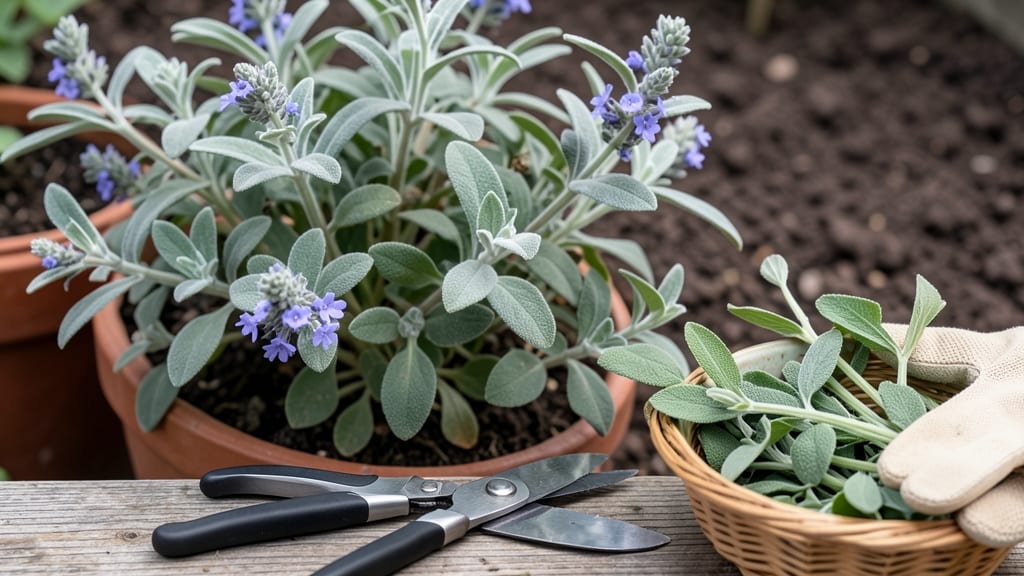
Harvesting garden sage at the right time ensures bold flavor and keeps your plant thriving—here’s the exact method to do it perfectly.
Picture this: you’re about to season a roasted chicken with fresh sage leaves, and the aroma hits you like a wave of earthy comfort. But if you’ve ever plucked leaves too early or too late, you know that timing is everything—and so is the technique.
Sage 🌿 reaches peak flavor just before flowering, usually in late summer or early fall, when the leaves are fully developed and fragrant. A sharp pair of scissors or clean pruners is your best tool, cutting just above a leaf node to encourage bushier growth.
In this guide, I’ll walk you through the best time to harvest, how to preserve your bounty (whether fresh or dried), and pro tips to keep your sage plant productive for years.


Best time to harvest sage for optimal flavor and plant health
Timing your sage harvest correctly is the secret to unlocking its boldest flavor while keeping your plant thriving. Sage reaches peak aroma just before it flowers, typically between late summer and early fall (August-September in most climates).
Harvesting too early means milder leaves, while waiting too long risks bitter, woody stems and reduced growth.
For the first harvest, wait until your sage plant is at least 6-8 inches tall with dense, gray-green foliage. This usually happens 90-120 days after planting, depending on your climate.
Early morning harvests yield the freshest leaves with the highest essential oil content, as daytime heat can cause oils to evaporate.
Your harvest window extends through the growing season, but avoid cutting more than one-third of the plant at once to encourage regrowth. Sage is resilient, but over-harvesting stresses the plant and reduces next year’s yield. Focus on new growth tips—these contain the most potent flavors and stimulate bushier growth.
| Harvest Stage | Ideal Time | Plant Height | Flavor Profile | Regrowth Notes |
|---|---|---|---|---|
| First Harvest | Late Spring/Early Summer | 6-8 inches | Mild, fresh | Encourages bushiness |
| Peak Flavor | Late Summer (Before Flowering) | 12-24 inches | Bold, aromatic | Trim 1/3 of growth |
| Late Season | Early Fall (Before Frost) | 24+ inches | Intense, slightly woody | Prepare for dormancy |
| Post-Flowering | Avoid (Bitter) | N/A | Bitter, harsh | Prune for next year |
Sage’s regrowth cycle is impressive—after each harvest, new shoots emerge within 2-4 weeks if you leave at least 2-3 inches of stem. This makes it perfect for continuous harvesting through the growing season.
Just avoid cutting into old, woody stems, as these won’t regrow and can harm the plant’s structure.
If you’re growing dwarf varieties, harvest more frequently but lightly—these stay compact (8-12 inches) and benefit from weekly trims to maintain shape. Standard sage can handle bi-weekly harvests during peak season, but always prioritize new growth over established branches.
Watch for flower buds—these signal the end of prime harvest time. Once flowers appear, the leaves become bitter and less aromatic. Instead of harvesting, prune these stems to redirect energy to next year’s growth.
In USDA Zone 6, this typically happens by late September, so plan your final harvest before frost.
For year-round harvests, grow sage in containers and bring them indoors before frost. Indoor plants need bright light (south-facing window) and reduced watering in winter. Even in dormancy, you can harvest sparse new growth sparingly, though flavor will be milder until spring.
Pro tip: Sniff test your leaves before harvesting—if they lack that distinct piney aroma, wait a few more days. The stronger the scent, the more potent the flavor in your dishes (or dried bundles).
🌿
Step-by-step guide to picking sage leaves for cooking and drying
Knowing when and how to harvest your garden sage makes all the difference between a mild, underwhelming herb and one bursting with earthy, aromatic flavor. The key? Timing and technique—cut at the wrong moment, and you’ll compromise both the plant’s health and the intensity of its taste.
For peak flavor, focus on harvesting just before flowering, when the leaves are fully developed and fragrant. This usually falls between late summer and early fall, but always check for woody stems and dense foliage as your cues.
Avoid cutting more than one-third of the plant at once to prevent stress.
- 1 Choose the right tools: Use clean, sharp scissors or pruning shears to avoid crushing stems. Disinfect tools with rubbing alcohol before use.
- 2 Select healthy stems: Look for woody, mature stems with gray-green leaves. Avoid harvesting from the center of the plant to maintain shape.
- 3 Cut just above a leaf node: Make your cut at a 45-degree angle, about 1/4 inch above a set of leaves. This encourages new growth from that node.
- 4 Harvest in the morning: Pick leaves early in the day when oils are most concentrated. Avoid harvesting after rain, as moisture can dilute flavor.
- 5 Preserve immediately: For fresh use, store leaves in the fridge wrapped in a damp paper towel for up to 5 days. For drying, bundle stems and hang upside down in a dark, dry place for 2-3 weeks.
If you’re drying sage for long-term storage, bundle the stems and hang them in small bunches from a hook or string in a well-ventilated area. Avoid direct sunlight, which can bleach the leaves and reduce their potency.
Once fully dried, strip the leaves from the stems and store them in an airtight container away from light.
For fresh sage, use leaves within 3-5 days for the best flavor. Store them in the crisper drawer of your fridge, wrapped in a damp cloth to retain moisture.
If you notice the leaves wilting, trim the stems and place them in a glass of water to revive them temporarily.
Pro tip: Rotate your harvests to avoid over-stressing the plant. By cutting from different areas of the sage plant, you encourage bushier growth and ensure a steady supply of fresh leaves throughout the growing season.
With these techniques, your sage will stay healthy, flavorful, and ready to elevate your dishes for years to come. Happy harvesting! 🌿✂️