
Tools
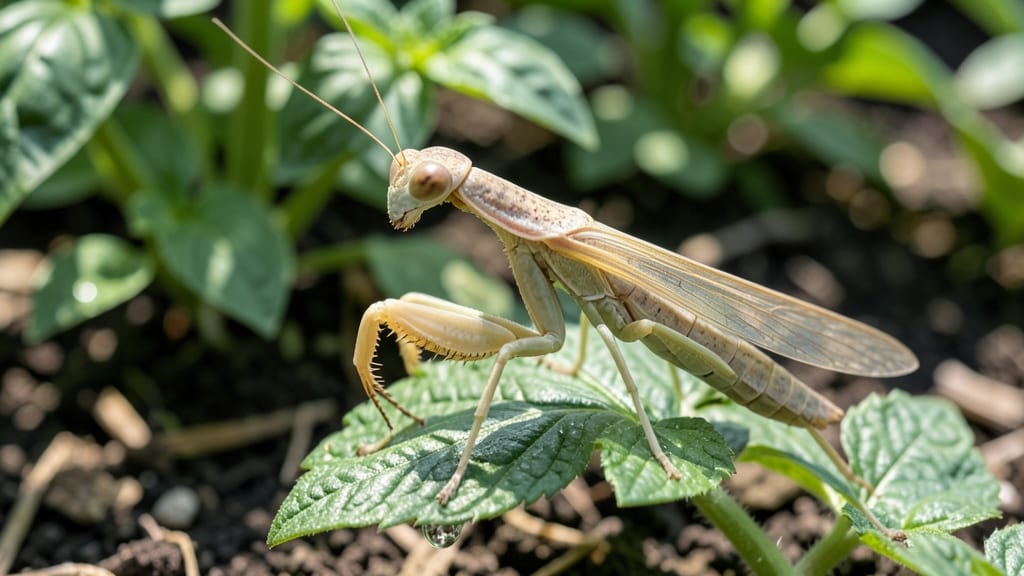
Keeping bugs out of your vegetable garden without chemicals is easier than you think — and the right barriers can save your 🥬 harvest from destruction.
Pests can devastate your vegetable garden in days, but the right barrier methods create a fortress that keeps bugs out without harsh chemicals—saving your harvest and your sanity.
Picture this: you’ve spent weeks nurturing your plants, only to wake up to chewed leaves and wilted stems. The good news? Simple, effective barriers like row covers, netting, and even clever plant pairings can stop pests before they start.
Below, I’ll show you the top barrier methods—from DIY solutions to store-bought fixes—that actually work, plus how to avoid common mistakes that let bugs sneak past.
Physical barrier methods to block bugs from your vegetable garden
When aphids, cabbage worms, and squash bugs start feasting on your vegetables, chemical sprays feel like overkill. Instead, I rely on physical barriers—simple, effective, and chemical-free solutions that create a fortress around your plants.
These methods work by physically blocking pests before they reach your crops, without harming beneficial insects or your harvest.
The best part? You don’t need a degree in entomology to implement them. From lightweight row covers to sturdy mesh netting, these barriers adapt to your garden’s size, budget, and the specific pests you’re battling.
Whether you’re protecting leafy greens from flea beetles or squash vines from cucumber beetles, the right barrier can mean the difference between a thriving garden and a sad, skeletonized one.
Below, I’ve compared the most effective physical barrier methods, including their pros, cons, and best uses. You’ll also find cost breakdowns for DIY vs. commercial options, so you can choose what works best for your garden’s needs.
For floating row covers, I recommend lightweight spun-bonded polyester or agricultural fabric with a 30-50% shade rating. These covers allow sunlight and water to penetrate while blocking 90% of pests, including aphids and cabbage worms.
Secure them with bricks or hoops to prevent wind damage, and remove them during pollination if your plants need it.
When dealing with squash bugs or tomato hornworms, fine mesh netting (with holes smaller than 1/4 inch) is my go-to. This barrier is sturdy enough to withstand wind and rain, and it’s reusable for multiple seasons.
For DIY solutions, repurpose old window screens or hardware cloth—just ensure the mesh is tight and free of holes.
Don’t overlook plant collars for root crops like carrots or onions. Made from cardboard tubes or plastic sleeves, these barriers block soil-dwelling pests like carrot rust flies and onion maggots.
Slip them 2-3 inches deep into the soil around seedlings for maximum protection. You can even make them from toilet paper rolls for a budget-friendly option!
For larger pests like rabbits or deer, chicken wire
Natural plant-based repellents that work as bug barriers
When pests threaten your vegetable garden, chemical sprays aren't your only defense. Nature offers powerful plant-based repellents that create chemical-free barriers. These companion plants and homemade sprays work by confusing insects with strong scents or disrupting their life cycles.
The best part? They're easy to grow alongside your veggies and require no special equipment.
Marigolds, for example, release a compound called alpha-terthienyl that repels nematodes and aphids. Meanwhile, garlic and basil emit sulfur compounds that deter cabbage worms and mosquitoes. These plants don't just repel pests—they also attract beneficial insects like ladybugs and lacewings that prey on garden pests.
The key is strategic placement and consistent maintenance.
For a multi-layered defense, combine companion planting with homemade sprays. A simple neem oil spray (mixed with water and a drop of dish soap) disrupts the feeding and breeding cycles of many pests.
Another effective mix combines garlic, chili peppers, and cayenne to create a potent spray that deters beetles and caterpillars. Both options are safe for plants and pets when used correctly.
How to Keep Bugs Out of Vegetable Garden
- 🌱 Plant marigolds around tomatoes and peppers to repel aphids and nematodes.
- 🌿 Interplant basil with peppers and tomatoes to deter mosquitoes and flies.
- 🧄 Add garlic near carrots and lettuce to repel Japanese beetles and cabbage worms.
- 🌶 Mix neem oil spray (1 tbsp oil + 1 tsp soap per quart of water) to disrupt pest life cycles.
- 🍋 Use garlic-chili spray (blend 1 head garlic + 1 tbsp cayenne + 1 quart water) to deter beetles and caterpillars.
- 🌻 Plant nasturtiums near brassicas to attract aphids away from your veggies.
To maximize effectiveness, plant repellent plants in a border around your garden or intersperse them between rows of vulnerable crops. For example, basil thrives near tomatoes, while onions deter carrot flies when planted nearby.
Rotate your crops annually to prevent pests from adapting to your garden layout. This approach also improves soil health and biodiversity.
Homemade sprays should be applied every 5-7 days or after rain to maintain protection. Always test sprays on a small leaf area first to ensure they don't cause damage. Store mixtures in a cool, dark place and shake well before each use.
For best results, apply sprays in the early morning when pests are most active and the sun isn't too intense.
Remember, the goal is to create a balanced ecosystem where pests find your garden less appealing than their natural habitats. With these natural repellents, you'll enjoy a thriving vegetable garden without relying on harsh chemicals.
Plus, your harvest will taste fresher and more flavorful—nature's way of rewarding your efforts! 🌿