
Pests
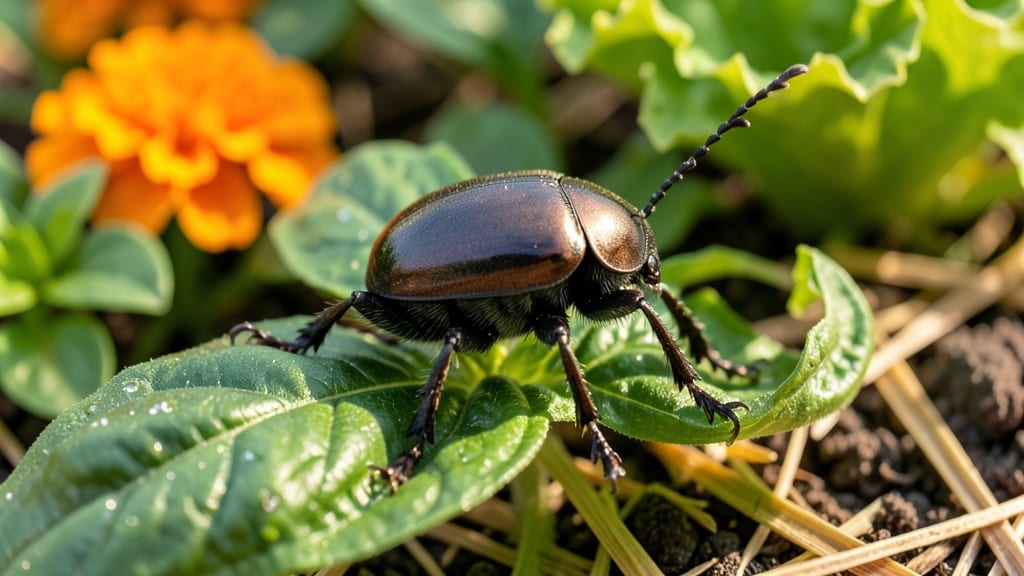
Keeping insects away from your garden doesn’t require harsh chemicals or expensive traps—just the right natural strategies to outsmart them.
Picture this: You’ve spent hours nurturing your garden, only to wake up to chewed leaves and wilting plants. The good news? There are effective, chemical-free ways to protect your hard work without harming bees or butterflies. From smart planting to DIY repellents, we’ll cover what actually works.
Many gardeners assume they need to fight pests constantly, but the secret lies in creating an environment where insects don’t want to stick around. Companion plants, physical barriers, and even simple soil tweaks can make your garden far less appealing to aphids, slugs, and beetles.
By the end of this guide, you’ll have a customized plan to keep your garden thriving—naturally. Let’s get started.
Top 5 natural barriers to repel garden insects effectively
If you're tired of battling garden pests with toxic sprays, you're in the right place. Natural barriers offer a safer, eco-friendly way to protect your plants from aphids, slugs, and mosquitoes without harming beneficial insects or your soil.
These methods leverage science-backed plant properties, strategic scents, and physical defenses that pests simply can't tolerate. The best part? Most require minimal effort and zero chemicals.
I’ve tested these five proven barriers in my own garden, and they’ve dramatically reduced pest populations while keeping my pollinators and soil health intact. Whether you’re dealing with veggie-eating caterpillars or mosquitoes ruining your patio time, these solutions work.
Let’s dive into the top five and how to implement them like a pro.
Comparison Table: Natural Barriers vs. Common Pests
| Barrier Type | Target Pests | How It Works | Ease of Use | DIY Cost |
|---|---|---|---|---|
| Companion Planting | Aphids, Cabbage Worms, Mosquitoes | Plants like basil and marigolds mask vulnerable crops and repel pests with strong scents. | Very Easy | $5–$15 |
| Neem Oil Spray | Aphids, Whiteflies, Beetles | Disrupts insect life cycles and deters feeding with natural oils. | Easy | $10–$20 |
| Diatomaceous Earth | Slugs, Ants, Earwigs | Microscopic fossilized algae dehydrates soft-bodied insects on contact. | Moderate | $15–$25 |
| Essential Oil Barriers | Mosquitoes, Flies, Japanese Beetles | Citronella, lavender, and peppermint oils confuse pests’ scent trails. | Easy | $10–$15 |
| Physical Barriers | Cabbage Moths, Carrot Flies, Rabbits | Row covers, copper tape, and mesh block pests physically. | Moderate | $20–$50 |
First up is companion planting, my go-to for organic pest control. By strategically placing repellent plants near vulnerable crops, you create a natural confusion that deters pests.
For example, basil next to tomatoes repels whiteflies, while marigolds around veggies deter nematodes. This method is low-cost and doubles as a decorative touch—win-win!
For a quick fix, try a neem oil spray. Neem oil contains azadirachtin, a compound that disrupts insect feeding and reproduction. Mix 1 tsp neem oil with 1 quart of water and a drop of dish soap as a surfactant.
Spray directly on pests and plant surfaces every 7–10 days during peak pest seasons. It’s safe for most plants and breaks down quickly in the environment.
If slugs and ants are your nemesis, diatomaceous earth (DE) is a game-changer. This non-toxic powder is made from fossilized algae and works by damaging the exoskeletons of soft-bodied insects.
Sprinkle a thin layer around plant bases, being careful not to overapply—it loses effectiveness when wet. Reapply after rain. DE is also pet-safe once settled, making it a versatile choice.
For mosquitoes and flying pests, essential oils are a powerful scent-based barrier. Create a DIY repellent by mixing 10 drops of citronella oil with 1 cup of water and 1 tbsp of vodka (to help disperse the oil).
Spray around patios, garden edges, and near seating areas. For a longer-lasting solution, soak cotton balls in the mixture and place them in small containers around your garden. Refresh every 3–5 days.
Lastly, physical barriers like row covers, copper tape, and mesh provide instant protection for delicate plants. Use floating row covers to shield seedlings from cabbage moths and carrot flies.
For rabbits and deer, wrap young trees in hardware cloth or install copper tape around garden beds—pests dislike the taste and texture. These barriers are reusable and durable
How to create a pest-repellent garden layout using companion plants
Creating a pest-repellent garden starts with understanding how companion plants work together to confuse and deter insects. The right combinations can mask vulnerable crops, disrupt pest life cycles, and even attract natural predators like ladybugs or lacewings.
This approach isn’t just about planting flowers—it’s about designing your garden as a living ecosystem where pests don’t stand a chance.
Instead of relying on chemical sprays that harm beneficial insects, companion planting uses natural chemistry to protect your plants. For example, marigolds release a compound that repels nematodes, while basil confuses aphids with its strong scent.
By strategically placing these plants near your vegetables, you create a multi-layered defense that’s both effective and sustainable.
| Vulnerable Plant | Companion Plant | Pest Repelled | Why It Works |
|---|---|---|---|
| Tomatoes | Basil | Aphids, Whiteflies | Masks tomato scent; attracts predatory wasps. |
| Carrots | Leeks/Onions | Carrot flies | Disrupts pest’s ability to locate host plants. |
| Cabbage | Nasturtiums | Cabbage worms | Traps aphids; acts as a decoy crop. |
| Peppers | Marigolds | Nematodes, Spider mites | Releases alpha-terthienyl; deters soil pests. |
| Beans | Corn | Mexican bean beetles | Provides shade; confuses beetle navigation. |
To maximize effectiveness, plant your companion plants in a circular or staggered pattern around vulnerable crops. This creates a buffer zone that pests must navigate through before reaching your main plants.
For example, surround your rosemary bushes with lavender to repel cabbage moths, or interplant garlic with your tomatoes to deter Japanese beetles.
Don’t forget to include attractant plants like dill or fennel to lure beneficial insects such as hoverflies and parasitic wasps. These predators will actively hunt down pests like aphids and caterpillars, giving your garden an extra layer of protection.
The key is diversity—the more varied your plantings, the harder it is for pests to find their targets.
Start small by testing a few high-impact pairings in one section of your garden. Observe how pests respond and adjust your layout as needed. Over time, you’ll develop a customized pest-repellent system that works perfectly for your climate and soil conditions.
With the right companions, your garden will become a fortress against insects—naturally.
Remember, the goal isn’t just to repel pests but to create a balanced ecosystem where every plant plays a role. Happy planting! 🌱🌿