
Watering
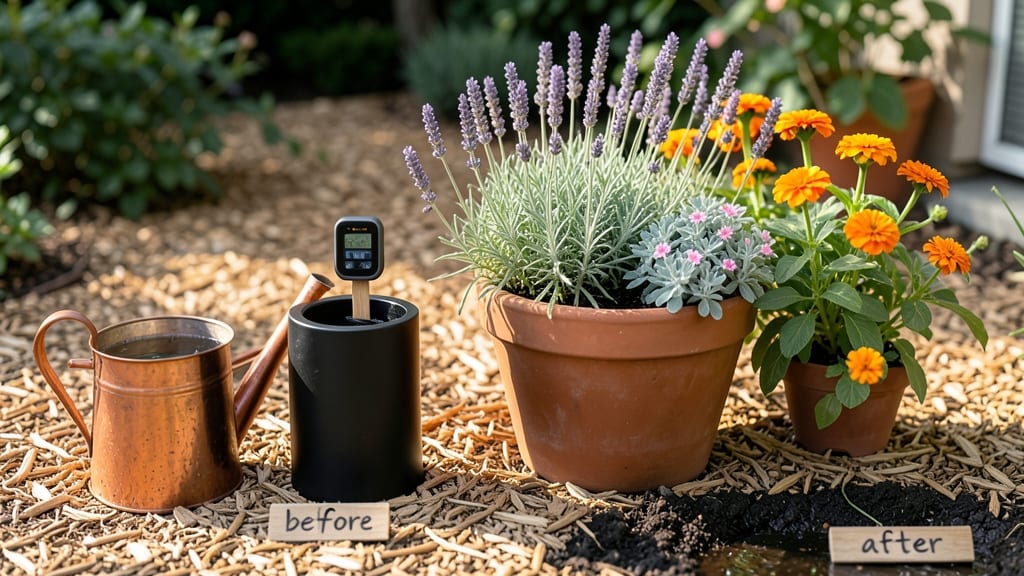
Watering your garden when away doesn’t have to mean wilting plants or soggy soil—there are smart, reliable ways to keep your 🌱 thriving while you’re gone.
Picture this: you return from a two-week trip to find your garden lush and hydrated, not stressed and struggling. That’s the power of the right self-watering systems, which can save your plants from both drought and overwatering.
Whether you’re gone for a weekend or a month, the key is choosing the method that matches your garden’s needs and your absence length.
From affordable DIY hacks to high-tech automated setups, there’s a solution for every budget and garden size. I’ll walk you through the best options—so you can relax knowing your plants are getting just the right amount of water, even when you’re not there to check.
You’ll discover how to avoid common mistakes, like overwatering in rain or under-watering in heat, and learn which plants need extra care when left alone. Let’s get your garden vacation-proofed!
Best self-watering systems for vacation-proof gardens
When you're planning a vacation, the last thing you want is to return to a garden struggling from thirst or drowning in overwatering. The right self-watering system can be a game-changer, ensuring your vegetables, herbs, and flowers stay hydrated without constant attention.
I’ve tested the most reliable options—from budget-friendly drip kits to high-tech smart systems—to help you choose what works best for your garden’s size and plant types.
For small container gardens or herb pots, a simple wicking system or self-watering planter can last 5-7 days without refilling. Larger in-ground gardens benefit from drip irrigation or soaker hoses, which can be paired with timers for 10-14 days of automated care.
Meanwhile, smart irrigation controllers offer the most flexibility, adjusting watering based on real-time weather forecasts.
Below, I’ve compared the top systems based on efficiency, ease of setup, and cost-effectiveness. Whether you’re away for a long weekend or a month-long trip, there’s a solution tailored to your needs—and your budget.
| System Type | Best For | Watering Duration | Setup Difficulty | Cost Range | Key Features |
|---|---|---|---|---|---|
| Self-Watering Planters | Containers, herbs, small veggies | 5-7 days | Easy (plug-and-play) | $20-$50 per planter | Wicking fabric, built-in reservoirs |
| Drip Irrigation Kits | In-ground beds, raised beds | 7-14 days (with timer) | Moderate (requires tubing setup) | $50-$200 | Adjustable emitters, timer compatibility |
| Soaker Hoses | Large gardens, ground covers | 5-10 days (with timer) | Easy (lay on soil) | $30-$100 | Slow, deep watering; no clogging |
| Smart Irrigation Controllers | All garden types (Wi-Fi enabled) | Customizable (weather-adjusted) | Moderate (app setup) | $150-$400 | Weather sensors, remote control |
| Olla Pots | Drought-prone plants, Mediterranean herbs | 10-21 days | Easy (DIY or pre-made) | $10-$30 each | Terracotta clay, slow-release watering |
If you’re growing drought-tolerant plants like lavender or rosemary, Olla pots are my top recommendation. These unglazed clay pots absorb water and release it gradually, keeping roots moist for up to 3 weeks. They’re perfect for mediterranean herbs or succulents that hate soggy soil.
For a more tech-savvy approach, smart irrigation controllers like the Rachio 3 adjust watering based on local weather forecasts, ensuring your garden gets just the right amount—no more, no less.
For vegetable gardens or flower beds, a drip irrigation system paired with a timer is hard to beat. I’ve used the Ortho Dial-N-Flo for years, and it’s held up through summer heatwaves without clogging.
The key is to bury the tubing 2-3 inches deep to shield it from direct sunlight, which can cause plastic to degrade over time. Pair it with a rain sensor to skip watering when it’s already raining.
Don’t overlook soaker hoses for larger gardens. They’re a low-cost, low-maintenance option that delivers water directly to the root zone. Lay them along the base of plants and connect to a timer for hands-free operation.
Just be sure to cover them with mulch to protect from UV damage and reduce evaporation. I’ve seen them last 5+ years with minimal upkeep.
Before you leave, test your system to avoid common mistakes. Run it for a full day to check for leaks or uneven watering. For container gardens, fill the reservoirs the night before your trip—this gives water time to soak into the soil evenly.
And if you’re using a timer, set it for early morning watering to minimize evaporation and fungal risks. A little prep now saves you from a sad, wilted welcome-home surprise.
Pro tip: Group plants with similar water needs together. Leafy greens like lettuce and spinach need consistent moisture, while tomatoes and peppers prefer slightly drier soil between
DIY self-watering hacks for budget-friendly garden care
You don’t need to spend hundreds on fancy irrigation systems to keep your garden hydrated while you’re away. With a few household items and some clever setups, you can create low-cost self-watering solutions that work for short trips or even extended vacations.
The key is understanding how to slow water release and maximize moisture retention—without breaking the bank.
I’ve tested these methods in my own garden, and they’ve saved my herbs, vegetables, and flowers from drying out during trips. Whether you’re dealing with potted plants on a patio or a raised bed garden, these hacks are designed to be simple, affordable, and effective.
Let’s dive into the best ways to stretch your watering intervals without stressing your wallet.
💧 5 Budget-Friendly Self-Watering Hacks
-
1. Plastic Bottle Wick System
Poke small holes in the cap of a plastic soda bottle, fill it with water, and bury it upside-down near the plant’s roots. The water will slowly seep out, keeping soil moist for 3-5 days.
2. Sponge Reservoir TrickPlace a household sponge in a shallow dish of water, then tuck it into the soil around your plant. The sponge absorbs and releases moisture as needed, perfect for small pots and seedlings.
3. Terracotta Pot WickFill a terracotta pot with water and place it upside-down in the soil. The unglazed surface allows water to wick up through the clay, hydrating plants for up to 7 days.
4. Coffee Can Drip SystemDrill a tiny hole in the lid of a clean coffee can, fill it with water, and invert it over your plant. Adjust the hole size to control the drip rate, ideal for herbs and small vegetables.
5. Moisture-Retaining Soil MixAmend your soil with hydrogel crystals or coco coir, which hold up to 10x their weight in water. Mix into the soil before your trip to extend hydration for 1-2 weeks.
For longer trips, combine these hacks with mulching. A thick layer of straw or wood chips around your plants reduces evaporation and keeps roots cool. This is especially useful for vegetable gardens or container plants, where moisture loss happens quickly.
Even a 5-inch mulch layer can cut watering needs by 30-50%.
Don’t forget to test your setup before your trip! Place a water-filled bottle system in a pot and monitor the soil moisture over 24 hours. Adjust the hole size or sponge saturation until you find the perfect balance.
Overwatering can be just as harmful as underwatering, so aim for consistent, slow hydration rather than sudden floods.
With these DIY self-watering tricks, you’ll return to a garden that’s thriving—not wilting. Whether you’re gone for a weekend or a month, these budget-friendly solutions prove that vacation-proof gardening doesn’t require a big budget. Happy growing! 🌱