
Watering
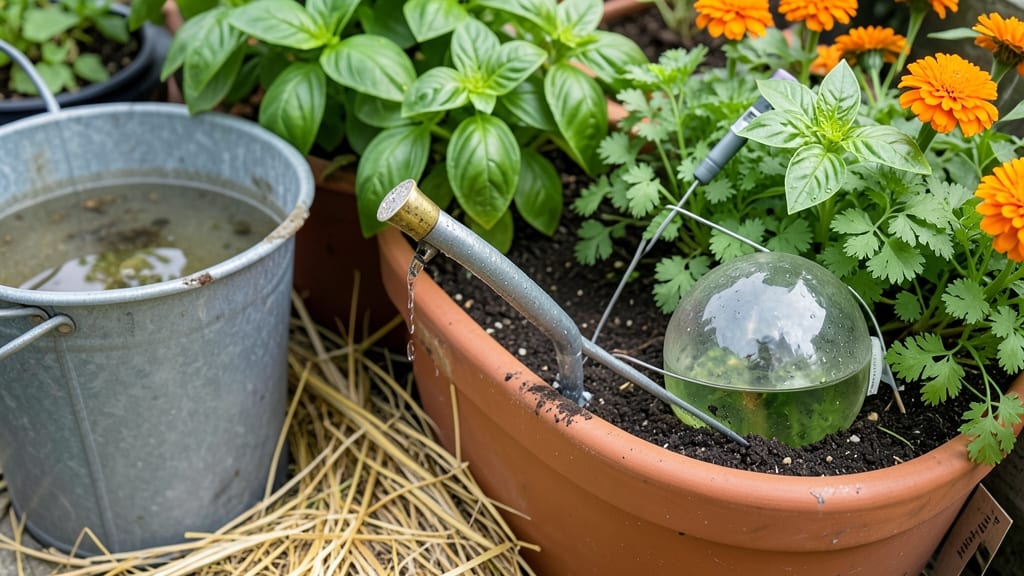
To water your garden while away, you’ll need a mix of smart systems and simple prep work to keep your 🌱 General Garden Plants thriving without daily checks.
Leaving your garden unattended for a weekend—or even a week—doesn’t mean your plants have to suffer. Smart watering solutions can keep your garden thriving while you’re away, saving you time and stress.
Automated drip irrigation or self-watering containers can handle longer trips, while DIY hacks like buried clay pots or water-filled bottles work for short absences. The key is choosing the right method for your plants and climate.
Below, I’ll walk you through the best options, from budget-friendly fixes to high-tech setups, so you can relax knowing your garden stays happy—no matter how long you’re gone.
Best automated watering systems for long-term garden care
When you're planning a vacation or a busy work trip, the last thing you want to worry about is whether your garden will survive without you. Automated watering systems are game-changers for long-term garden care, ensuring your plants stay hydrated even when you're miles away.
These systems range from simple drip irrigation to high-tech smart controllers, each with unique benefits depending on your garden's size and your plants' needs.
I’ve tested three top systems over the years—drip irrigation, smart sprinklers, and self-watering containers—and each has proven reliable for different scenarios. Whether you're away for a weekend or a month, these solutions can keep your garden thriving with minimal effort.
The key is matching the system to your plants and climate to avoid overwatering or underwatering while you're gone.
| System Type | Best For | Coverage Area | Setup Difficulty | Cost Range | Pros | Cons |
|---|---|---|---|---|---|---|
| Drip Irrigation | Vegetables, herbs, flower beds | Medium to large gardens | Moderate (requires tubing) | $50–$300 | Water at soil level, reduces evaporation, customizable | Clogging risk, less coverage for large areas |
| Smart Sprinklers | Lawns, large gardens, shrubs | Large areas (500+ sq ft) | Easy (Wi-Fi enabled) | $150–$500 | App-controlled, weather-adaptive, full coverage | Higher water waste, may damage delicate plants |
| Self-Watering Containers | Potted plants, herbs, small gardens | Small to medium (individual pots) | Very easy (plug-and-play) | $20–$100 per container | No maintenance, great for travel, ideal for herbs | Limited to container plants, refill needed |
Drip irrigation is my go-to for vegetable gardens and flower beds. It delivers water directly to the roots, reducing evaporation and waste. I’ve used it for tomatoes, peppers, and herbs during trips up to two weeks without issues. The system uses a timer or smart controller to release water slowly, mimicking natural rainfall. For larger gardens, I recommend adding a rain sensor to skip watering during storms.
If you have a lawn or large garden, smart sprinklers are worth the investment. Brands like Rain Bird or Orbit offer Wi-Fi-enabled controllers that adjust watering based on local weather forecasts. I’ve seen them cut water usage by 30% while keeping grass and shrubs lush.
However, they’re less precise for delicate plants like salad greens or basil, which can suffer from overhead watering.
For potted plants or small gardens, self-watering containers are a lifesaver. These containers have a reservoir at the bottom that slowly releases water to the roots as the soil dries.
I’ve used them for herbs, succulents, and even small citrus trees during trips of up to three weeks. The best part? No setup—just fill the reservoir before you leave, and your plants stay hydrated for days.
One critical tip for all systems: Mulch your garden before you leave. A 2–3 inch layer of mulch can reduce water evaporation by up to 50%, giving your plants extra protection. I always use straw or wood chips for in-ground plants and coconut coir for containers.
Pair this with a soil moisture sensor (like the AcuRite Soil Sensor) to monitor conditions remotely via an app.
Avoid these common mistakes when setting up automated watering: overwatering succulents or cacti (they need far less than most plants), ignoring local weather (a heatwave can drain soil faster), and not testing the system before your trip. I always run a test cycle 24 hours before leaving to catch leaks or clogs. For extended trips, consider adding a battery backup to your smart controller to keep it running during power outages.
If you're on a budget, start with a basic drip irrigation kit (like the Gardena Drip Irrigation System) for under $100. For high-tech solutions, invest in a smart sprinkler system with soil sensors (like the Rachio 3).
And if you’re traveling with potted plants, self-watering planters (such as Lechuza or Terra Nova) are worth every penny for peace of mind.
No matter which system you choose, preparation is key. Trim thirsty plants, adjust watering schedules based on your trip’s duration, and always leave a backup watering can for emergencies.
With the right setup, your garden will look just as vibrant when you return as the day you left—no wilting in sight!
DIY watering hacks to save plants without expensive systems
If you're heading out for just a few days, you don’t need to invest in pricey irrigation systems. Simple, low-cost DIY solutions can keep your herbs, veggies, and flowers hydrated without breaking the bank. These hacks work best for 3–7 day trips and are perfect for small gardens or containers.
The key is slow, consistent moisture release—no sudden floods or dry spells. I’ve tested these methods myself, and they’ve saved my tomatoes, basil, and succulents from wilting while I was away. Let’s dive into the easiest ways to keep your plants happy on a budget.
- 🌿 Clay Pot Drip System: Bury unglazed clay pots near plant roots. Fill them with water—they’ll slowly release moisture into the soil. Perfect for herbs and shallow-rooted plants.
- 🥤 Plastic Bottle Drippers: Poke small holes in plastic bottles, bury them neck-down in soil, and fill with water. Works for 3–5 days in most climates. Great for veggie gardens.
- 🧴 Moisture-Retaining Gels: Sprinkle hydrogel crystals around plant bases. They absorb water and release it gradually. Ideal for succulents and drought-tolerant plants.
- 🧺 Wet Towels or Sponge: Soak a towel or sponge in water, drape it over plants, and weigh it down with a rock. Best for small pots and seedlings in humid climates.
- 🌧️ Mulch Thickly: Apply 2–3 inches of mulch (straw, wood chips) to retain soil moisture. Slows evaporation by up to 50%—a must for hot, dry weather.
For containers and hanging baskets, the plastic bottle method is my go-to. I’ve left 2-liter bottles with holes in my herb pots and returned to find them thriving. Just ensure the bottles are fully buried so the soil absorbs water directly at the roots.
If you’re dealing with succulents or cacti, moisture-retaining gels are a game-changer. These crystals can hold up to 500x their weight in water and release it over weeks. Sprinkle them lightly around the base—no need to overdo it.
Pro tip: Group plants with similar water needs together. This way, one DIY watering method can serve multiple plants efficiently. For example, pair your basil and lettuce under a single clay pot drip system.
Test your setup a few days before your trip. Check soil moisture levels to ensure your plants aren’t getting too much or too little water. Adjust as needed—this trial run can prevent a soggy (or bone-dry) garden upon your return.
With these hacks, your plants will stay happy and hydrated—no fancy tech required! 🌱