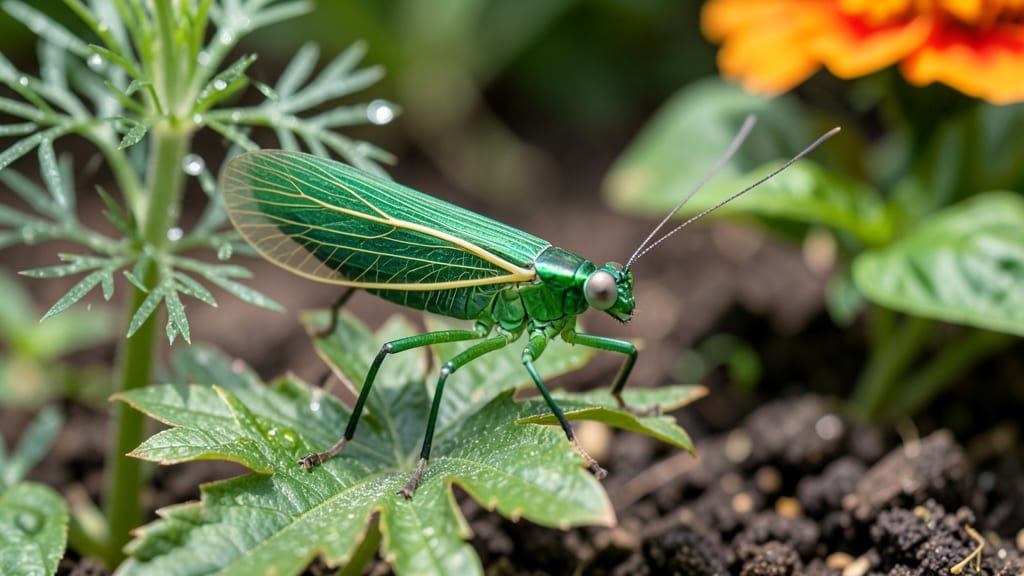
Insects in garden identification is the first step to protecting your plants without overreacting—because not every tiny creature is a villain.
Picture this: You spot tiny holes in your basil leaves or sticky residue on your roses, but you’re not sure if it’s a harmless visitor or a full-blown infestation. Knowing the difference saves time, money, and your sanity.
This quick guide breaks down the most common garden insects—from aphids to ladybugs—so you can spot them fast and decide whether to welcome them or send them packing.
You’ll learn how to recognize damage patterns, tell beneficial bugs from pests, and even keep your garden thriving with minimal effort.
How to identify common garden pests by sight & damage signs
Spotting tiny insects on your plants can send shivers down any gardener's spine—but not all of them are villains! Learning to recognize common garden pests by their appearance and the damage patterns they leave behind is your first line of defense.
Some, like aphids or Japanese beetles, can devastate your garden in days, while others might just be harmless visitors. I’ll walk you through the most destructive culprits, their telltale signs, and how to tell them apart at a glance.
The key to early intervention is knowing what to look for. Leaf holes, sticky residue, or chewed stems are all clues. For example, caterpillars leave behind ragged edges, while sap-sucking bugs like aphids coat leaves in a shiny, sticky honeydew.
Below, I’ve compiled a visual guide to the 12 most destructive garden pests, their physical traits, and the severity of their damage—so you can act fast before they ruin your harvest.
| Insect |
Appearance |
Damage Signs |
Severity |
Target Plants |
| Aphids |
Tiny, soft-bodied, green/black/yellow |
Curled leaves, sticky honeydew, black sooty mold |
High |
Roses, tomatoes, peppers |
| Japanese Beetles |
Green with copper wings, 1/2 inch long |
Skeletonized leaves, chewed flower petals |
Critical |
Beans, grapes, roses |
| Caterpillars (Loopers) |
Green/brown, curved bodies, fuzzy |
Large irregular holes in leaves |
High |
Tomatoes, peppers, cabbage |
| Whiteflies |
Tiny white moth-like flies |
Yellowing leaves, sticky residue |
High |
Peppers, eggplants, tomatoes |
| Grasshoppers |
Green/brown, long hind legs |
Notched leaf edges, stripped stems |
Critical |
Corn, beans, grasses |
| Spider Mites |
Red/yellow, tiny, web-like |
Fine webbing, speckled leaves |
High |
Tomatoes, peppers, squash |
| Cutworms |
Gray/brown, smooth, loop when disturbed |
Severed stems at soil line |
Critical |
Seedlings, young plants |
| Corn Earworms |
Green/pink caterpillars, 1-2 inches |
Holes in corn silk,
Beneficial vs. harmful insects: what you should actually protect
Not all tiny creatures in your garden are villains—some are your best allies in the fight against pests. While aphids and Japanese beetles might be stealing your plants' nutrients, ladybugs and lacewings are silently hunting them down.
Learning to spot the difference helps you protect what matters most: your ecosystem's balance.
Many gardeners instinctively reach for pesticides when they see insects, but this can wipe out beneficial species too. For example, bees and hoverflies pollinate your plants while also preying on garden pests. The key is to identify before you act—and create a garden that naturally attracts the good guys.
🐞 Beneficial Insects
Ladybugs
Eats: Aphids, mites, soft-bodied pests
Lacewings
Eats: Aphids, mealybugs, caterpillar eggs
Praying Mantises
Eats: Beetles, flies, caterpillars
⚠️ Harmful Insects
Aphids
Damage: Sap-sucking, stunted growth
Japanese Beetles
Damage: Leaf skeletonizing, flower destruction
Caterpillars
Damage: Leaf holes, defoliation
To attract beneficial insects, focus on plant diversity and native species. For example, dill and fennel lure lacewings, while marigolds and nasturtiums draw ladybugs. Even a small patch of clover or yarrow can become a buffet for pollinators and pest predators.
If you must intervene, targeted solutions are key. Instead of spraying everything, try neem oil for aphids or handpicking larger pests like tomato hornworms. Beneficial insect hotels made from bamboo tubes or hollow stems also give predators a safe place to overwinter.
Remember, patience is your ally. A balanced garden takes time to establish, but once it does, you’ll see fewer pests and healthier plants with minimal effort. Start small—plant a few pollinator-friendly flowers this season—and watch your garden’s natural defenses strengthen over time.
Next time you spot an insect, pause before acting. It might just be one of your garden’s unsung heroes working behind the scenes. 🌱
★★★★★4.7(15 reviews)
|