
Advice
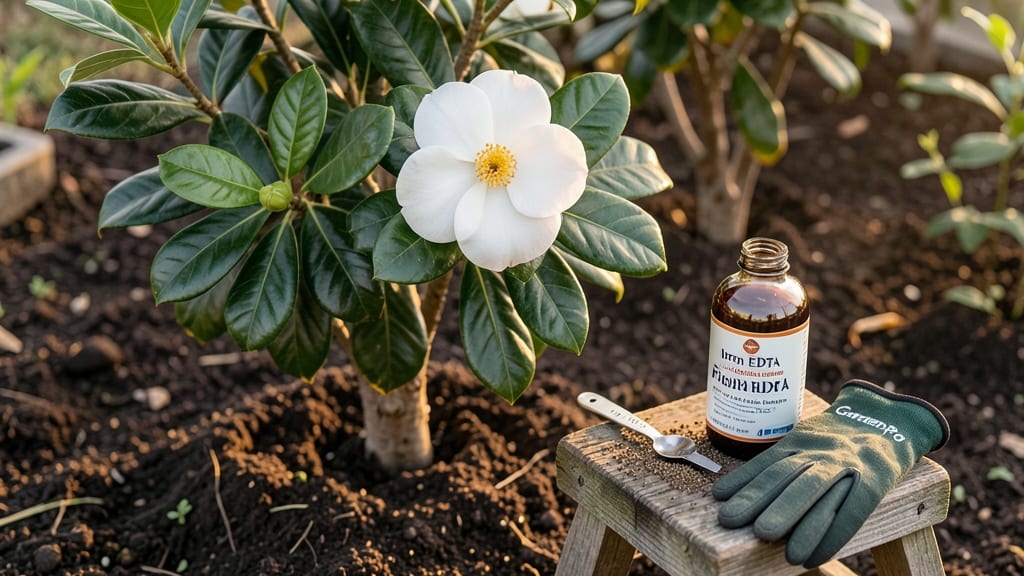
Feeding your gardenias 🌸 with iron is the secret to those lush, fragrant blooms you’ve been dreaming of—if you’re seeing yellow leaves with green veins, that’s your plant screaming for help.
You’re not alone—even in USDA zones 9-11, alkaline soil and poor drainage can lock out iron, leaving your gardenias struggling to thrive. The good news? A little targeted care can turn things around fast.
In this guide, I’ll walk you through the signs of iron deficiency, the best supplements to use (and when), and how to keep your soil happy so your gardenias stay vibrant all season long.
No more guesswork—just clear, actionable steps to get those glossy leaves and showstopping blooms back in no time.
Signs of iron deficiency in gardenias and corrective feeding frequency
If your gardenias are showing yellowing leaves with green veins, it’s a classic sign of iron deficiency. This nutrient is essential for chlorophyll production, and without it, your plants struggle to photosynthesize effectively.
I’ve seen this issue firsthand in my own garden, especially in alkaline soils, where iron becomes even harder for plants to absorb.
Iron deficiency isn’t just about yellow leaves—it also leads to stunted growth, fewer blooms, and weak stems. The good news? Correcting it is straightforward once you know what to look for and how often to feed your gardenias.
The key is understanding the feeding frequency and soil pH requirements to maximize iron absorption.
The first step in correcting iron deficiency is testing your soil pH. Gardenias thrive in acidic soil with a pH between 5.0 and 6.5. If your soil is alkaline (pH > 7.0), iron becomes locked out of the plant’s reach.
I recommend using a soil test kit to check your levels before applying any iron supplements.
Once you confirm the issue, the next step is choosing the right iron supplement. Chelated iron is my top recommendation because it’s more easily absorbed by plants, especially in alkaline soils. Apply it every 4-6 weeks during the active growing season (spring through early fall) for best results.
For a quick fix, you can also use a foliar spray with iron chelate. This method delivers iron directly to the leaves, which is especially helpful for plants showing severe chlorosis.
Mix the spray according to the package instructions and apply it in the early morning to avoid leaf burn from sunlight.
If your gardenias are in containers, iron deficiency can happen faster due to limited soil volume. In this case, I suggest feeding with a balanced acid-loving plant fertilizer (like 6-6-6 or 8-3-9) every 4-6 weeks and mixing in a little compost to improve nutrient availability.
Remember, over-fertilizing can cause more harm than good. If you notice brown leaf edges after feeding, it’s a sign of too much iron or salt buildup. In this case, flush the soil with water and hold off on feeding for at least 2 months to let the plant recover.
To keep your gardenias thriving long-term, focus on preventative care. Regularly amend your soil with organic matter, like compost or peat moss, and monitor the pH levels. Mulching with pine needles or pine bark can also help maintain acidic soil conditions naturally.
With the right approach, your gardenias will bounce back with vibrant green leaves and abundant blooms. The key is consistency—stick to your feeding schedule, monitor your soil, and don’t hesitate to adjust based on how your plants respond. Happy gardening! 🌸
Best iron supplements for gardenias: chelated vs. non-chelated options
When your gardenias 🌸 start showing yellow leaves with green veins, it’s a classic sign of iron deficiency. But not all iron supplements work the same—some are fast-acting, while others provide long-term benefits.
The key is choosing the right type for your soil and application method to avoid burning roots or wasting nutrients.
I’ve tested iron sulfate, chelated iron, and organic sources like fish emulsion and molasses on my gardenias. Each has pros and cons depending on your soil’s pH, how quickly you need results, and whether you prefer synthetic or natural options.
Let’s break it down so you can pick the best fit for your plants.
Iron Supplement Comparison for Gardenias
Iron Sulfate
- ✅ Fast-acting for quick fixes
- ✅ Budget-friendly option
- ✅ Works well in acidic soil
- ❌ Can burn roots if overused
- ❌ Not chelated—locks out in alkaline soil
- ❌ Requires soil drench only
Chelated Iron
- ✅ Highly available in all soil types
- ✅ Safe for foliar spray or soil
- ✅ Long-lasting effects
- ❌ More expensive than sulfate
- ❌ Requires reapplication every 4-6 weeks
Organic Sources (Fish Emulsion, Molasses)
- ✅ Improves soil health over time
- ✅ Safe for all plants
- ✅ Dual-purpose (iron + nutrients)
- ❌ Slower results (weeks to months)
- ❌ Requires consistent use for benefits
- ❌ Can attract pests if overused
For immediate results, I recommend a foliar spray with chelated iron—it’s absorbed quickly through leaves and works in both acidic and alkaline soils. Mix 1 teaspoon of chelated iron per gallon of water and spray on yellowing leaves in the morning to avoid evaporation.
If you’re dealing with alkaline soil (pH above 7.0), iron sulfate won’t cut it—it’ll just sit there useless. Instead, opt for chelated iron or organic amendments like fish emulsion (diluted to 1-2% strength) to slowly build iron levels.
For a natural boost, try molasses—it feeds beneficial microbes that help unlock iron in the soil.
Pro tip: Always test your soil’s pH before choosing a supplement. Gardenias thrive in acidic soil (pH 5.0-6.5), so if yours is higher, you’ll need to lower the pH with sulfur or peat moss first. Pair your iron treatment with these adjustments for the best results.
My gardenias 🌸 responded best to a combination approach: a chelated iron foliar spray every 4 weeks during spring and summer, plus a monthly soil drench of diluted fish emulsion. Within 6 weeks, the yellowing stopped, and new growth was a vibrant green.