
Tools
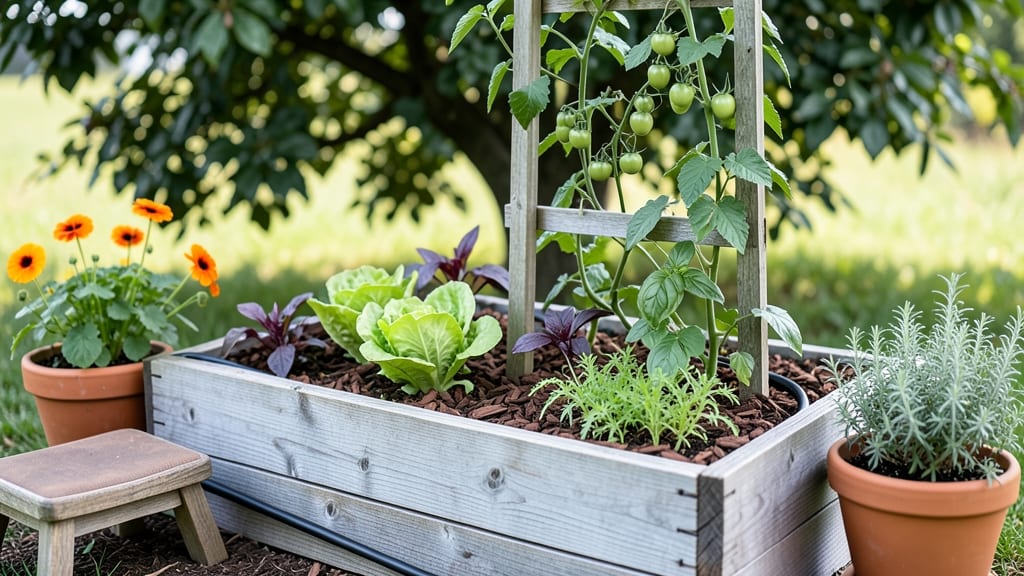
Outdoor raised garden bed ideas transform even the smallest yard into a lush, productive space 🌱 — no matter if you’re working with a cramped balcony or a sprawling backyard.
Maximizing limited outdoor space doesn’t mean sacrificing your dream garden—raised beds turn tight yards and urban balconies into thriving green havens with smart layouts and creative designs.
From vertical tiers that climb walls to U-shaped beds that hug corners, these ideas make the most of every square foot while keeping maintenance simple and soil quality perfect for your Raised Garden Bed Vegetables (General).
Below, I’ll show you 10 space-saving layouts, the best materials for durability, and how to plan for year-round harvests—no matter how small your space.
10 Space-saving raised garden bed layouts for small yards and urban areas
Small spaces shouldn’t limit your gardening dreams. With the right raised garden bed layout, you can grow a bountiful harvest even in tight urban areas or narrow patios. These designs maximize vertical space while keeping maintenance simple and aesthetics appealing.
Whether you have a balcony, corner yard, or just a few square feet, these configurations prove that big yields come from smart planning.
One of my favorite space-saving tricks is using multi-level designs. By stacking beds or creating tiered systems, you can grow 30-50% more plants in the same footprint.
For example, a two-tiered bed in a corner can fit tomatoes on the bottom and herbs on top, both thriving without competing for sunlight. This approach works especially well for balcony gardens where floor space is premium.
| Layout Name | Best For | Space Used | Planting Tips | Maintenance |
|---|---|---|---|---|
| Corner Pocket Bed | Urban corners, patios | 2' x 2' footprint | Herbs, lettuce, radishes | Low (easy access) |
| Vertical Tiered Bed | Balconies, narrow spaces | 3' x 1' footprint | Peppers, strawberries, basil | Medium (watering top first) |
| U-Shaped Bed | Small yards, walkways | 4' x 3' footprint | Carrots, beans, zucchini | Low (central access) |
| Stacked Planter | Balconies, decks | 2' x 2' footprint | Flowers, microgreens, chives | High (watering order) |
| Keyhole Bed | Small gardens, permaculture | 3' diameter | Squash, pumpkins, kale | Medium (compost access) |
| Hanging Pocket Bed | Balconies, fences | 1' x 1' footprint | Peppers, cherry tomatoes | High (drainage check) |
| Spiral Bed | Small yards, microclimates | 4' diameter | Onions, lettuce, spinach | Medium (zoned planting) |
| Modular Grid | Patios, decks | Customizable | Salad greens, herbs | Low (inter
How to choose the best materials and dimensions for your raised bedBuilding a raised garden bed starts with selecting the right materials and dimensions to balance cost, durability, and functionality. The materials you choose will impact your bed’s lifespan, maintenance needs, and even the health of your plants. For example, cedar is naturally rot-resistant and aromatic, while composite lumber offers low maintenance but at a higher upfront cost. Each option has trade-offs, so let’s break down the pros and cons to help you decide. When it comes to bed dimensions, accessibility is key. A 4-foot width is ideal because it allows you to reach the center without stepping inside, reducing soil compaction. Length can vary, but 8-foot beds are popular for their balance of space and manageability. The height of your bed also matters—6 to 12 inches is standard for most vegetables, while taller beds (up to 24 inches) are better for root crops like carrots or potatoes. Let’s explore how to match materials to your bed’s size and purpose. For weight distribution, ensure your bed’s base is sturdy, especially if using heavy materials like bricks or stone. A gravel or sand base can improve drainage and stability, while corner stakes or brackets add extra support. If you’re using lightweight materials like recycled plastic, you can skip the heavy base but still need to secure the bed to prevent shifting. Always consider how your bed will interact with the surrounding soil and terrain. Drainage is another critical factor. Bottom slats or landscape fabric can prevent soil from falling out while allowing excess water to escape. Avoid completely sealing the bottom, as this can lead to waterlogging and root rot. If your bed is elevated, ensure the legs or supports are stable and spaced evenly to avoid uneven settling. For example, a 6-inch-tall bed with 1-inch drainage holes on the sides will keep roots healthy while preventing erosion. Finally, think about long-term maintenance. Cedar and composite lumber require minimal upkeep, while bricks or stone may need occasional sealing. Recycled plastic beds are easy to clean but can degrade under intense sunlight. Choose materials that align with your gardening goals—whether that’s low maintenance, sustainability, or budget-friendly solutions. With the right materials and dimensions, your raised bed will be a productive and beautiful addition to your outdoor space for years to come. 🌱 |