
Landscaping
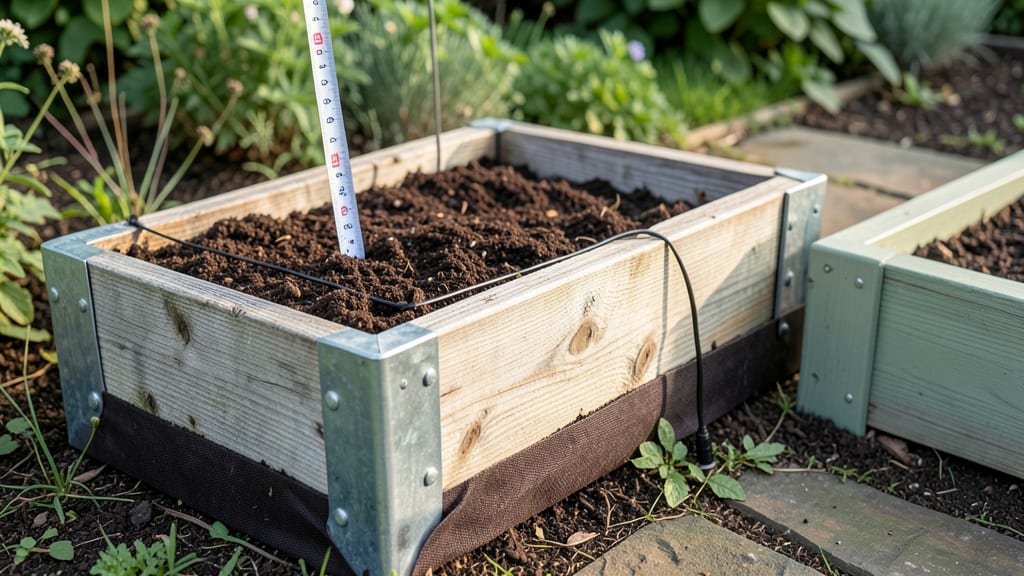
The right raised garden bed height transforms your garden from a guesswork project into a thriving, low-maintenance space 🌱.
Struggling to decide how high your raised garden bed should be? The right height can mean the difference between thriving plants and wasted space—or even poor drainage and root rot.
For most vegetables and herbs, a 6- to 12-inch bed strikes the perfect balance between root depth and easy access. But if you're growing deep-rooted crops like potatoes or asparagus, you’ll want to go taller—up to 24 inches—to give those roots room to stretch.
Below, I’ll break down the ideal heights for different plants, how to adjust for accessibility, and the best materials to use so your bed lasts for years.

Optimal raised garden bed height by plant type and root depth needs
Choosing the right raised garden bed height isn't just about aesthetics—it directly impacts your plants' growth potential. Soil depth determines how far roots can spread, while height affects drainage and accessibility.
Most standard beds sit between 6" and 12", but deep-rooted crops like asparagus or artichokes demand beds up to 36" tall. Let's break down the science behind these heights and how they influence your garden's success.
For shallow-rooted plants like lettuce, radishes, or herbs, a 6"–12" deep bed works perfectly. These plants thrive with minimal soil volume, and shallower beds warm up faster in spring. However, deep-rooted vegetables such as carrots, potatoes, or tomatoes need at least 12"–18" of soil to avoid stunted growth.
The deeper the bed, the more stable the plant—and the higher your yield.
| Plant Type | Root Depth | Recommended Bed Height | Notes |
|---|---|---|---|
| Herbs (basil, parsley, chives) | 4"–6" | 6"–10" | Shallow roots; avoid waterlogging |
| Leafy Greens (spinach, kale, lettuce) | 6"–8" | 8"–12" | Fast-growing; benefits from extra depth |
| Root Vegetables (carrots, beets, radishes) | 8"–12" | 12"–18" | Prevents forking; loose soil required |
| Fruiting Plants (tomatoes, peppers, cucumbers) | 12"–18" | 12"–24" | Supports heavy fruit; improves stability |
| Deep-Rooted Perennials (asparagus, artichokes) | 24"–36" | 30"–36" | Long-term investment; minimal disturbance |
| Flowers (marigolds, sunflowers, zinnias) | 6"–12" | 8"–12" | Aesthetic focus; drainage critical |
When planning your bed height, consider the soil type you're using. Loamy soil drains well and holds moisture, while sandy soil may require deeper beds to retain water.
For clay-heavy areas, taller beds (18"–24") prevent water pooling and root suffocation. Compost and organic matter also play a role—amending soil with these improves aeration, allowing roots to penetrate deeper even in shallower beds.
For accessibility, taller beds (12"–18") reduce bending and strain, making gardening easier on your back. If you're growing heavy producers like squash or melons, a 24" bed provides the stability needed to support their sprawling vines.
Meanwhile, container gardening enthusiasts often use 6"–10" beds for herbs and greens, maximizing space in small areas.
One common misconception is that taller beds always equal better growth. However, overly deep beds (beyond 36") can lead to poor soil warming in spring, delaying germination.
For cold climates, a 12"–18" bed strikes the balance between warmth and depth. Mulching the surface helps regulate temperature year-round, whether you're dealing with a shallow or deep bed.
If you're mixing plant types in a single bed, prioritize the deepest-rooted plants and adjust the height accordingly.
For example, pairing carrots (12" depth) with basil (6" depth) works in a 12" bed, but adding tomatoes (18" depth) would require upgrading to a taller structure. Interplanting shallow and deep crops is possible, but monitor root competition closely.
For urban gardeners with limited space, consider tiered raised beds. These allow you to grow deep-rooted plants in one section while keeping herbs and greens in shallower tiers. Just ensure each level has
How raised garden bed height affects drainage, accessibility, and soil temperature
When planning your raised garden bed height, drainage isn't just about preventing soggy soil—it's about creating the perfect environment for roots to thrive. A bed that's too low may struggle with water pooling, while one that's too high can dry out faster, especially in hot climates.
The ideal height balances these factors while keeping your back happy during maintenance.
For most gardeners, a 10- to 12-inch bed offers the best compromise. This height provides ample soil depth for most vegetables while allowing water to drain efficiently.
However, if you're in an area with heavy clay soil or frequent rain, you might want to go even higher—up to 18 inches—to prevent waterlogging and root suffocation.
🚨
Accessibility is another key factor—especially if you have mobility challenges. A 12-inch bed height lets you kneel comfortably, while 24-inch beds allow you to stand and tend to plants without straining. For wheelchair access, consider building beds with 24- to 36-inch heights and removable panels for easier planting.
Soil temperature also shifts with height. Taller beds warm up faster in spring, giving you a longer growing season for cool-season crops like lettuce and peas. In contrast, shorter beds may stay cooler, delaying germination.
If you're in a colder climate, a 6-inch bed might work better for early planting, while a 12-inch bed keeps roots warmer in winter.
For clay-heavy soils, raising your bed by 18 inches can dramatically improve drainage. The extra height creates space for water to move through the soil profile, reducing the risk of compacted, anaerobic zones where roots suffocate.
Pair this with a well-draining soil mix (like 60% topsoil, 30% compost, and 10% perlite) for best results.
In hot, dry climates, taller beds can be a double-edged sword. While they warm up faster, they also dry out quicker. To combat this, mulch heavily with straw or wood chips and water deeply in the morning.
For arid regions, a 12-inch bed with built-in drip irrigation is ideal—it retains moisture while keeping roots cool.
Ultimately, the best height depends on your climate, soil type, and plant needs. Start with a 12-inch bed as your baseline, then adjust based on drainage tests and plant performance. And remember: taller beds require sturdier materials—opt for cedar or composite lumber to prevent warping over time. 🌱