
Tools
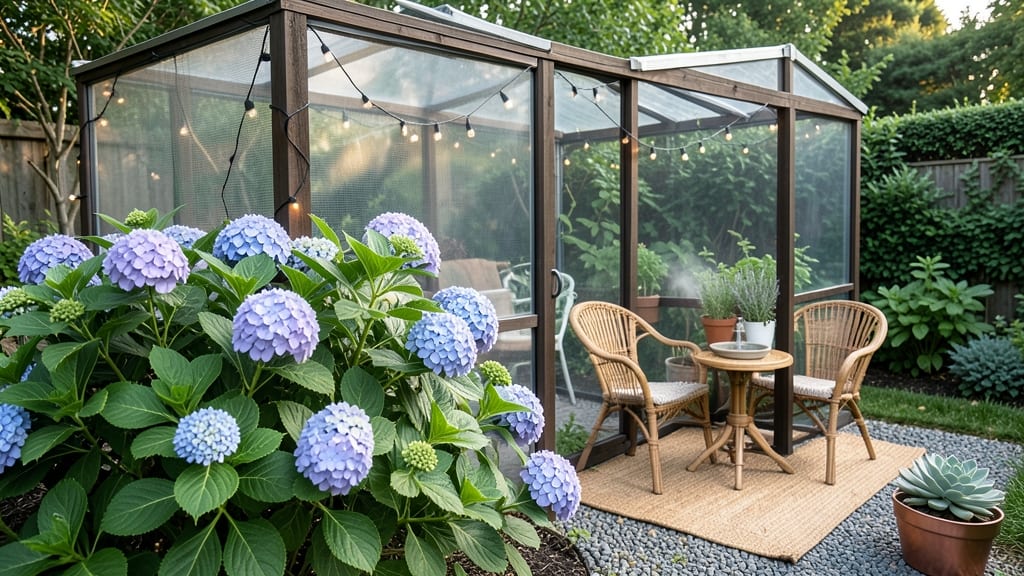
A screened-in garden creates a private, pest-free retreat where you can garden, dine, or unwind—no matter the season.
Picture this: a cozy corner of your yard shielded from bugs, wind, and curious neighbors, yet still bathed in natural light. That’s the magic of a well-designed screened-in space—it’s your outdoor living room, but with the flexibility to use it year-round.
From low-maintenance layouts to durable materials, I’ll show you how to craft a space that feels like an extension of your home. Whether you’re growing herbs, hosting dinner parties, or just escaping the heat, these designs keep upkeep simple while maximizing comfort.
Ready to transform your yard into a functional, stylish haven? Here’s how to get started with 10 easy layouts that blend privacy, beauty, and practicality.
10 Screened-in garden layouts for privacy and low maintenance
A screened-in garden is your ticket to a private outdoor retreat that requires minimal upkeep while offering year-round usability. Whether you're protecting delicate plants from pests or creating a cozy reading nook, these space-efficient designs blend functionality with aesthetics.
The key is choosing layouts that maximize airflow, sunlight, and accessibility—without sacrificing privacy or beauty.
From corner nooks tucked against fences to full perimeter enclosures, each design balances durability and low maintenance. Materials like aluminum frames, polyester mesh, and bamboo panels offer varying levels of UV resistance, pest protection, and visual appeal.
Let’s explore 10 proven layouts that fit different yard sizes and styles, all while keeping upkeep simple.
For small spaces, a corner nook with aluminum framing and polyester mesh is ideal—it fits snugly against walls while allowing partial sunlight for shade-loving plants like fuchsia or coleus. These materials resist rust and require zero painting, cutting maintenance to just an annual rinse with a hose.
The perimeter screen design works best for large yards needing full privacy. Opt for vinyl-coated wire to block pests while letting 6+ hours of sunlight through—perfect for tomatoes or peppers.
This layout requires medium maintenance but pays off with year-round usability, even in winter for evergreen shrubs like boxwood or holly.
If you rent or need flexibility, modular panels made from bamboo and fabric are game-changers. They’re lightweight, detachable, and thrive in partial shade, making them perfect for herbs like basil or mint.
The best part? You can reconfigure them as your needs change—no permanent installation required.
A
How to choose materials for a durable, pest-proof screened garden
A screened-in garden needs materials that balance durability, pest protection, and aesthetic appeal. The right choice depends on your budget, climate, and how much maintenance you’re willing to handle. Some materials resist UV rays better, while others offer easier installation or a more natural look.
I’ve tested four top materials—aluminum, vinyl, fabric, and bamboo—to help you decide which fits your garden’s needs. Each has unique pros and cons that affect everything from airflow to long-term costs.
Screening Material Comparison
Aluminum
- ✅ Long-lasting (20+ years)
- ✅ Rust-resistant
- ✅ Low maintenance
- ✅ UV-resistant
- ❌ Heavier (harder to install)
- ❌ Higher cost ($15–$30/sq ft)
- ❌ Less breathable
Vinyl
- ✅ Lightweight (easy DIY install)
- ✅ Affordable ($10–$20/sq ft)
- ✅ UV-resistant
- ✅ Variety of colors
- ❌ Less durable (10–15 years)
- ❌ Can crack in extreme cold
- ❌ Limited breathability
Fabric
- ✅ Breathable (better airflow)
- ✅ Lightweight (easy to move)
- ✅ Budget-friendly ($5–$15/sq ft)
- ✅ UV-treated options
- ❌ Short lifespan (3–7 years)
- ❌ Fades quickly
- ❌ Less sturdy (tears easily)
Bamboo
- ✅ Natural look (blends with garden)
- ✅ Sustainable (eco-friendly)
- ✅ Breathable (good airflow)
- ✅ Moderate cost ($8–$18/sq ft)
- ❌ Requires treatment (to prevent rot)
- ❌ Less UV-resistant
- ❌ Attracts pests (if untreated)
For a long-term investment, aluminum is my top pick—it resists rust, fades, and pests better than other materials. If you’re on a budget or need a temporary solution, fabric or vinyl are great for short-term use, but they’ll need replacing every few years.
If you love a natural aesthetic, bamboo screens add warmth to your garden, but they require regular sealing to prevent rot. Pair bamboo with UV-resistant fabric on the inside for extra protection against fading.
Pro tip: