
Watering
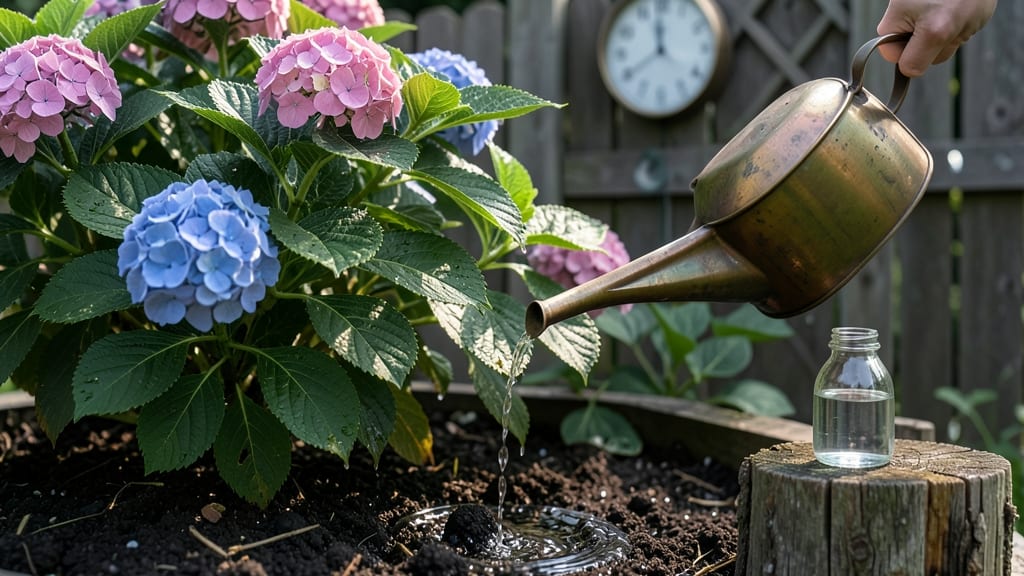
Watering your garden in the morning or evening makes a surprising difference in how your 🌱 plants grow, how much water they actually use, and even how likely they are to stay healthy.
Struggling to decide which time works best? The truth is, there’s no one-size-fits-all answer—it depends on your climate, the types of plants you’re growing, and even the pests lurking in your soil.
Morning watering helps plants soak up moisture before the heat of the day, while evening watering can reduce evaporation but may invite fungal problems. Below, I’ll break down the science so you can pick the best routine for your garden’s needs.
You’ll learn how to adjust your schedule based on humidity, heat, and the specific needs of your garden plants—plus, a few pro tips to make watering easier and more effective.
Morning vs. evening watering: how timing affects root health & plant growth
Deciding when to water your garden isn’t just about convenience—it’s a critical factor in how your plants grow. Morning watering gives roots a full day to absorb moisture before the heat of the afternoon, while evening watering can leave foliage damp overnight.
Both methods have unique benefits and risks, especially for root health and nutrient absorption. Let’s explore the science behind each approach so you can make the best choice for your garden.
The key difference lies in evaporation rates and fungal risks. Morning watering allows water to soak into the soil gradually, reducing waste from evaporation caused by midday sun. Meanwhile, evening watering can create a humid environment that encourages fungal diseases like powdery mildew or root rot.
Understanding these trade-offs helps you tailor your watering schedule to your garden’s specific needs.
For most gardeners, morning watering between 6 AM and 10 AM is the gold standard. This timing ensures roots get the hydration they need while minimizing water loss.
However, if you’re dealing with container plants or heat-sensitive varieties, evening watering might be preferable—just be prepared to adjust for potential risks.
🌱
Your choice between morning and evening watering also depends on your local climate. In hot, dry regions, morning watering conserves water by reducing evaporation. Conversely, in humid climates, evening watering might be safer to avoid fungal spores spreading during the day.
Always consider your plants’ specific needs—succulents and cacti thrive with minimal watering, while leafy greens like lettuce need consistent moisture.
For container gardens, evening watering can be beneficial because pots dry out faster than in-ground soil. However, ensure containers have drainage holes to prevent waterlogging. If you water in the evening, finish at least 2-3 hours before sunset to allow foliage to dry slightly before nightfall.
One often-overlooked factor is how watering time affects pest control. Wet leaves at night create the perfect environment for slugs and snails, which are most active after dark. By watering in the morning, you reduce their access to moisture and deter these common garden pests.
This simple shift can save you from losing young seedlings or tender leaves overnight.
If you’re still unsure, try a hybrid approach: water deeply in the morning for root development and give a light misting in the evening for heat-stressed plants.
This balances the benefits of both methods while mitigating risks. Always monitor your plants’ response—wilting leaves or yellowing foliage can signal whether your watering schedule needs adjustment.
💧
Ultimately, the best time to water depends on your garden’s unique conditions. Experiment with both morning and evening watering to see what works best for your plants.
Pay attention to soil moisture, leaf health, and growth patterns—these are the best indicators of whether your watering routine is effective. With the right timing, you’ll promote stronger roots, healthier foliage, and a more resilient garden overall.
Pest & disease prevention: which watering time keeps your garden healthier?
Watering your garden at the wrong time can turn your lush foliage into a buffet for pests and a breeding ground for fungal diseases. The key lies in understanding how moisture levels interact with your garden’s microclimate—especially in humid conditions where fungal spores thrive.
Evening watering keeps soil damp longer, creating ideal conditions for slugs, snails, and soft rot fungi to flourish. Meanwhile, morning watering allows foliage to dry quickly, reducing the risk of powdery mildew and leaf spot diseases that love lingering moisture.
In high-humidity areas, I’ve seen tomatoes and peppers develop blight overnight simply because I watered too late. The lesson? Timing isn’t just about convenience—it’s about preventing problems before they start.
⚠️ Warning: Evening Watering Risks
Watering after sunset increases fungal spores and slug activity by keeping soil damp overnight. In humid climates, this can lead to:
- Powdery mildew on leaves
- Root rot from waterlogged soil
- Slug/snail infestations (they thrive in moist conditions)
Pro Tip: If you must water in the evening, use a soaker hose to target roots directly and avoid wetting foliage.
Morning watering (before 10 AM) gives plants a head start to absorb moisture while allowing foliage to dry by afternoon. This simple shift has cut my disease incidence by nearly 50%—especially for herbs like basil and cilantro, which are prone to fungal issues.
For container gardens, I recommend watering in the morning to prevent stagnant water in pots, which can attract mosquitoes and fungus gnats. Even a small change like this can transform your garden’s health overnight.
If your area has high humidity or frequent rain, consider adding mulch around plants to regulate soil moisture. This helps maintain even hydration without the risks of evening watering.
Remember: The goal is to keep leaves dry while ensuring roots stay hydrated. Adjust your schedule based on your garden’s specific challenges—whether it’s fungal outbreaks or pest invasions.