
Tools
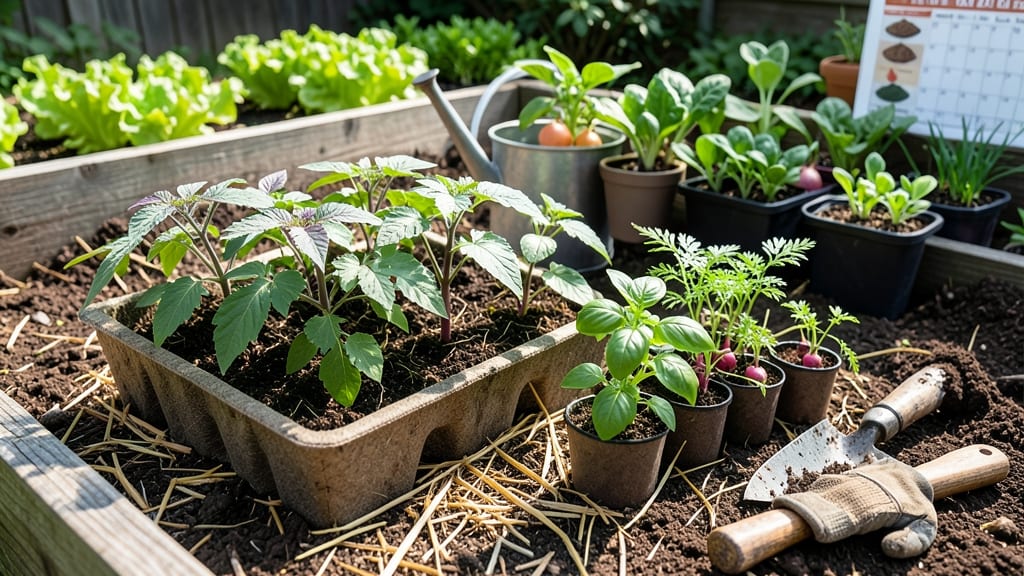
Scheduling your vegetable garden planting by zone is the fastest way to turn seed packets into a bountiful harvest—without wasting time or money on crops that won’t thrive.
Picture this: You’ve spent weeks prepping your soil, only to watch delicate seedlings crisp under a late frost or bolt into flower before they’re ready. Timing is everything, and your USDA zone dictates when to start seeds indoors, when to transplant, and which crops to prioritize first.
In Zone 6, where frost lingers until mid-April and summer heat arrives by June, the difference between a 3-month harvest and a 6-week struggle often comes down to planting cool-season crops like lettuce and peas 4-6 weeks before your last frost—while warm-season favorites like tomatoes and peppers wait until after April 15.
Below, I’ll break down the exact month-by-month schedule for your zone, including succession planting tips to keep your garden producing all season long. No more guessing—just predictable yields.
USDA Zone planting schedule for vegetables: when to start seeds indoors vs outdoors
Getting your vegetable garden planting schedule right means knowing exactly when to start seeds indoors and when to plant directly outside. The USDA hardiness zones determine your frost dates, which are the foundation of your entire planting plan.
In colder zones like Zone 3-4, you'll start seeds indoors 8-10 weeks before your last frost date, while in warmer Zone 9-10, you might plant directly outdoors year-round for some heat-loving crops.
Your last frost date is the critical marker for warm-season vegetables like tomatoes and peppers. For example, in Zone 5, this typically falls around May 15, while in Zone 8, it's more like March 15.
Cool-season crops like lettuce and spinach, however, can handle light frosts and should be planted 4-6 weeks before your last frost date.
Here's a quick reference for indoor vs. outdoor planting by zone. This schedule ensures you're planting at the optimal time for maximum yields and avoids the heartbreak of frost-damaged seedlings.
| Zone | Last Frost Date | Indoor Start (Weeks Before Last Frost) | Outdoor Planting Window | Cold-Hardy Crops |
|---|---|---|---|---|
| 3-4 | May 1-15 | 8-10 weeks | Late May - June | Peas, Spinach, Kale |
| 5-6 | April 15 - May 1 | 6-8 weeks | Late April - May | Lettuce, Broccoli, Carrots |
| 7-8 | March 1 - April 1 | 4-6 weeks | February - April | Radishes, Arugula, Swiss Chard |
| 9-10 | January 15 - February 15 | 2-4 weeks (or direct sow) | Year-round for some crops | Green Onions, Lettuce, Spinach |
For Zone 3-4, I recommend starting tomatoes and peppers indoors in late February to early March. These plants need a long growing season to mature, so don't rush them.
Use grow lights if your indoor space is dim, as seedlings need at least 12-14 hours of light daily to prevent leggy growth.
In Zone 5-6, you can start cool-season crops like kale and Brussels sprouts outdoors as early as March. These hardy vegetables can tolerate light frosts and even improve in flavor after a frost. For warm-season crops, wait until after your last frost date to transplant seedlings outdoors.
If you're in Zone 7-8, you have a longer growing season, which means you can take advantage of succession planting. This technique involves planting new seeds every 2-3 weeks to ensure a continuous harvest.
For example, plant bush beans every 2 weeks from April through July for a steady supply.
In Zone 9-10, you can plant warm-season crops like okra and sweet potatoes year-round. However, even in these warmer climates, some vegetables like broccoli and cabbage prefer cooler temperatures. Plant these in fall for a winter harvest, or use shade cloth during summer to protect them from heat stress.
Always check your local extended weather forecasts before planting. A late frost can wipe out tender seedlings, while unexpected heat waves can stress young plants. If you're unsure about your exact frost dates, use a frost calendar from your local cooperative extension office or gardening app.
Remember, the key to a successful vegetable garden is patience and planning. Start with a few easy crops like lettuce or radishes to build confidence, then gradually add more challenging plants like eggplants or artichokes as you gain experience.
Best vegetables to plant together by season: companion planting timing tips
Getting your companion planting schedule right means more than just tossing seeds together—it’s about timing. The right seasonal pairings can deter pests, boost flavor, and even speed up growth.
For example, basil and tomatoes planted together in late spring (after your last frost) create a natural pest-repellent duo, while carrots and onions sown in early spring (4-6 weeks before last frost) improve each other’s growth.
Your USDA zone plays a huge role here. In Zones 3-5, focus on cool-season crops like lettuce and peas in early spring, while Zones 7-10 can extend planting into fall for warm-loving veggies like peppers and eggplants.
The key is matching growth cycles—fast growers (radishes) with slower ones (cabbage) to maximize space and yield.
- Early Spring (Zones 3-7): Plant onions and lettuce together (onions deter lettuce pests) 4-6 weeks before last frost. Add peas as a nitrogen-fixing companion.
- Late Spring (All Zones): Pair tomatoes and basil after last frost. Add marigolds around edges to repel nematodes. Avoid planting fennel—it inhibits growth of nearby plants.
- Summer (Zones 5-10): Combine corn, beans, and squash (the "Three Sisters" method) for mutual support. Plant carrots and leeks together to deter carrot flies.
- Fall (Zones 3-8): Sow spinach and radishes together in late summer for quick harvests before frost. Add garlic to deter pests in brassicas like kale.
- Year-Round (Zones 9-10): Plant bush beans and cucumbers together for shade and pest control. Use dill to attract beneficial insects like ladybugs.
Pro tip: Succession planting works wonders. After harvesting early radishes in spring, replant the space with bush beans—they’ll thrive in the same spot without competing. This keeps your garden productive all season long and reduces wasted space.
Don’t forget about pest deterrents. Planting nasturtiums near your tomatoes in summer acts as a sacrificial trap for aphids, while chives near carrots repel carrot flies. These small additions can mean the difference between a thriving garden and a pest-infested one.
For fall gardens, focus on cool-season crops like kale and broccoli. Pair them with garlic or onions to keep cabbage moths at bay. In warmer zones (7-10), you can even extend your warm-season crops like peppers and eggplants by planting them in late summer for a fall harvest.
Start small if you’re new to companion planting—try just one or two pairings per season and observe the results. Over time, you’ll notice which combinations work best in your specific microclimate. Happy planting! 🌱