
Vegetables
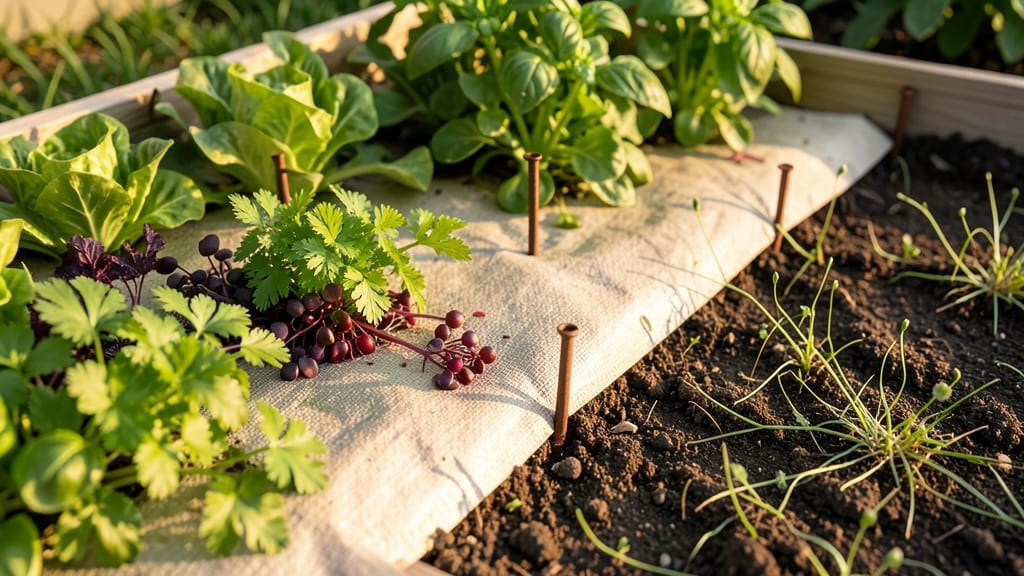
A weed guard for gardens is the unsung hero of low-maintenance gardening—cutting weeding time by up to 80% while keeping soil healthy and moisture locked in.
Picture this: You’ve just spent 30 minutes yanking weeds from your vegetable patch, only to find fresh sprouts popping up next week. A 3-layer barrier stops that cycle before it starts, using physical blocks, light deprivation, and root suppression to keep weeds out—no chemicals needed.
This isn’t just about saving time; it’s about protecting your soil’s structure and nutrients. Without a guard, weeds steal water and nutrients from your plants, leaving them weak and stunted. But with the right setup, you’ll see stronger growth and fewer headaches by midseason.
In this guide, I’ll walk you through the best materials for durability, step-by-step installation tips, and how to troubleshoot common issues like edge regrowth. By the end, you’ll have a weed-free garden that thrives with minimal effort.
How a 3-Layer weed guard blocks weeds at every stage
A 3-layer weed guard isn’t just a single barrier—it’s a strategic defense system designed to stop weeds at every stage of growth. Unlike traditional mulch or landscape fabric, this multi-layer approach targets seed germination, seedling growth, and root development simultaneously.
By combining a physical barrier, light-blocking layer, and root suppression, it creates an environment where weeds simply can’t thrive. This method is especially effective in vegetable gardens, flower beds, and pathways where weeds compete for nutrients and water.
Weeds start as tiny seeds lying dormant in the soil, waiting for the right conditions to sprout. The first layer—a physical barrier like cardboard or thick paper—blocks sunlight from reaching weed seeds, preventing them from germinating in the first place.
But weeds are persistent, so the second layer—a light-blocking fabric—ensures no light penetrates, even if gaps form. Finally, the third layer, often a dense fabric or mulch, suppresses any roots that dare to grow upward. Together, these layers create a near-impenetrable shield against weeds.
Here’s how each layer works in harmony to eliminate weeds naturally without chemicals:
| Layer | Purpose | Material Examples | Weed Stage Targeted |
|---|---|---|---|
| Physical Barrier | Blocks sunlight to prevent seed germination | Cardboard, thick newspaper, burlap | Seed stage |
| Light-Blocking Fabric | Stops light penetration for seedling suppression | Landscape fabric, woven geotextile | Seedling stage |
| Root Suppression | Prevents root growth and nutrient competition | Dense fabric, mulch, or gravel | Root development |
The physical barrier is your first line of defense. Materials like cardboard or thick newspaper smother weed seeds, cutting off their access to light—a critical trigger for germination. Without light, seeds remain dormant, unable to sprout.
This layer is especially effective for annual weeds like crabgrass or chickweed, which rely on sunlight to break dormancy. However, gaps or thin spots can let light through, so combining it with a second layer ensures no seeds slip past.
The light-blocking fabric layer is where the real magic happens. This dense, woven material (often made from polypropylene or recycled plastics) allows water and air to reach your plants while completely blocking light from weed seeds below.
Studies show that 90% of weed seeds fail to germinate when deprived of light for just 2-4 weeks. This layer is crucial for perennial weeds like dandelions or clover, which have deep root systems but still need light to regrow.
By suffocating seedlings before they emerge, you eliminate weeds at their most vulnerable stage.
Finally, the root suppression layer tackles weeds that somehow break through the first two defenses. This layer—often a thick fabric or mulch—creates a physical obstacle for weed roots trying to penetrate upward.
Unlike organic mulch, which can break down and create gaps, synthetic fabrics like landscape fabric remain intact for years, preventing weeds from accessing nutrients and water. This is particularly useful in high-traffic areas like pathways or garden borders, where weeds are persistent and aggressive.
One of the biggest myths about weed guards is that they strangle your plants. The truth? A properly installed 3-layer system allows water, air, and nutrients to reach your desired plants while blocking weeds.
The key is to cut holes in the fabric for your plants and ensure the layers overlap by at least 6 inches to prevent gaps. I’ve seen gardeners reduce weeding time by up to 90% after installing this system, and the best part?
It works without chemicals, making it safe for organic gardens and edible crops.
Science backs up this approach too. Research from the University of California Cooperative Extension found that multi-layer weed barriers reduced weed growth by 85% compared to single-layer methods.
The combination of light deprivation and physical obstruction creates a double whammy for weeds, making it nearly impossible for them to establish themselves. For gardeners dealing with clay soil or sandy soil, this system also improves soil moisture retention, reducing the need for frequent watering.
If you’re worried about maintenance, don’t be. A 3-layer weed guard lasts 3-5 years with minimal upkeep. Simply check for tears or gaps once a season, secure edges with landscape staples, and add a fresh layer of mulch on top for extra protection.
Over time, you’ll notice fewer weeds, healthier plants, and less time spent kneeling in the dirt pulling invaders. It’s a game-changer for anyone tired of the never-ending weed war.
Ready to try it? Start with a small garden bed to test the system, and soon you’ll wonder how you ever managed weeds without it. Your future self will thank you—one less weed to pull at the end of a long gardening day. 🌱
Best materials for long-lasting weed guard barriers
Choosing the right weed guard material can save you hours of backbreaking work while keeping your garden looking pristine. Not all materials are created equal—some degrade quickly, while others block light so effectively that weeds never stand a chance.
The best choice depends on your garden type, budget, and how long you want the protection to last.
For vegetable gardens, breathability matters most since roots need oxygen. In flower beds, durability often takes priority because aesthetics matter. Meanwhile, pathways require materials that resist foot traffic and weather extremes. Let’s break down the top options and their trade-offs to help you decide.
Weed Guard Material Comparison
Landscape Fabric (Synthetic)
- Pros: Blocks 95%+ light, lasts 5-10 years, reusable
- Cons: Can overheat soil, plastic microfibers may leach
Burlap (Natural)
- Pros: Biodegradable, improves soil as it breaks down, breathable
- Cons: Decomposes in 6-12 months, attracts pests initially
Cardboard (Recycled)
- Pros: Free/cheap, blocks light immediately, compostable
- Cons: Breaks down in 3-6 months, can blow away in wind
Recycled Plastic (Geotextile)
- Pros: UV-resistant, lasts 10+ years, heavy-duty
- Cons: Non-breathable, expensive upfront, not eco-friendly
Best for: Vegetable beds (landscape fabric), flower beds (recycled plastic), pathways (cardboard + mulch)
If you’re growing delicate vegetables like lettuce or spinach, I recommend landscape fabric with a biodegradable top layer. This combo lets roots breathe while still blocking weeds. For perennial flower beds, opt for recycled plastic geotextile—it’s tougher and won’t degrade under foot traffic or heavy rain.
For budget-friendly or temporary solutions, cardboard is my go-to. Just wet it down first to prevent blowing away, and top it with straw mulch for extra weed suppression. I’ve used this method in my herb spiral, and it worked surprisingly well for a full season.
Environmentally conscious gardeners might prefer burlap, but be prepared to replace it annually. Pair it with a thick layer of wood chips to extend its lifespan. The trade-off? You’ll need to refresh it every year, but it’s a natural, low-impact choice that enriches your soil as it breaks down.
Pro tip: If you’re unsure, test a small section of each material in different areas of your garden. Observe how weeds respond and how the material holds up after a few months of rain or sun exposure.
This hands-on approach will help you make the best long-term decision for your specific conditions.