
Blooming
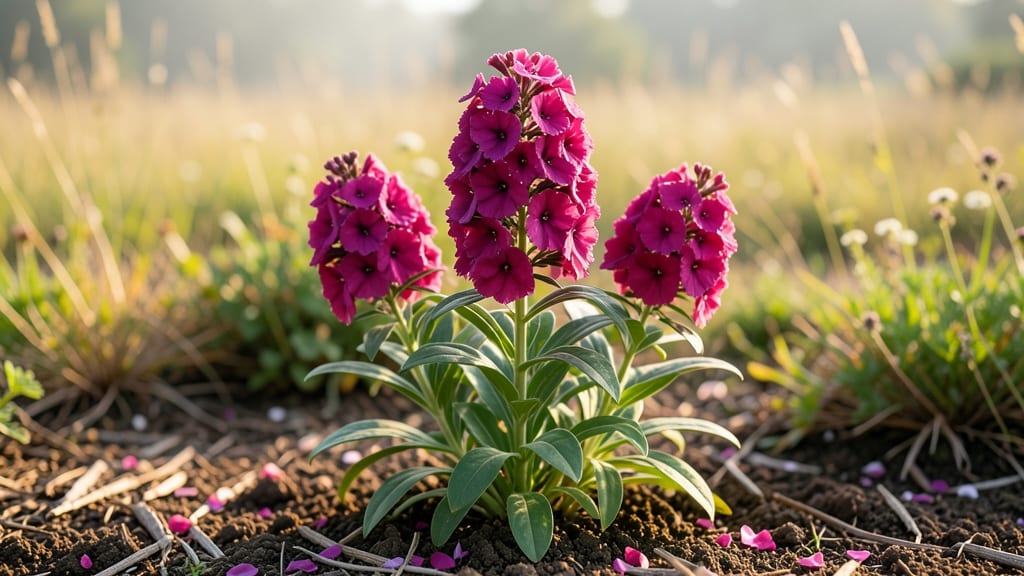
Garden phlox blooms typically from mid-July through September, turning your summer garden into a fragrant, colorful haven 🌸 — but the exact timing depends on where you live and which variety you’ve planted.
If you’re waiting for those clusters of star-shaped blooms to appear, timing is everything. In most of the U.S., phlox starts showing color in late June or early July, with peak bloom stretching into August.
Cooler climates like Zone 6a might see flowers a few weeks earlier, while warmer regions could push blooms into early September.
But here’s the catch: not all phlox varieties bloom at the same time. Early bloomers like ‘David’ might start as early as June, while late-season types like ‘Lipstick’ can keep flowering until frost. Choosing the right variety for your zone can mean weeks of extra color in your garden.
Below, I’ll break down the month-by-month timeline for phlox blooms, how climate affects timing, and simple care tips to stretch that beautiful season even longer. Ready to plan your garden’s most vibrant show?
Garden phlox bloom timeline: month-by-month growth stages
Garden phlox (Phlox paniculata) is a summer garden superstar, but its blooming timeline varies dramatically by variety and climate. Early-season types may burst into color as early as June, while late bloomers can extend their show until September.
Understanding these stages helps you plan your garden layout and care routine for maximum impact.
Your USDA hardiness zone plays a critical role in bloom timing. Cooler northern regions (Zones 3-5) often see earlier blooms due to shorter growing seasons, while warmer southern zones (Zones 7-9) may experience staggered, longer blooming periods.
Let's break down what to expect each month and how to adjust your care accordingly.
Pro Tip: Most phlox varieties need 6-8 weeks of warm soil temperatures (above 60°F) before blooming. In cooler climates, this often means waiting until late May or June for the first buds to appear.
| Stage | Early Bloomers (June-July) | Mid-Season (July-August) | Late Bloomers (August-Sept) |
|---|---|---|---|
| Bud Formation | Late May | Early June | Mid-June |
| First Blooms | Early June | Late June | Early August |
| Peak Bloom | June-July | July-August | August-Sept |
| Bloom Duration | 4-6 weeks | 6-8 weeks | 8-10 weeks |
| Post-Bloom Care | Deadhead | Deadhead | Deadhead & fertilize |
In May, focus on soil preparation. Phlox thrives in well-draining, slightly acidic soil (pH 6.0-7.0). If your soil is heavy clay, amend it with compost or sand to improve drainage. This month is also perfect for dividing established clumps if they've become overcrowded.
Watch for new shoots emerging from the ground in late May. These indicate your phlox is waking up from dormancy. Apply a balanced fertilizer (5-10-10) at this stage to provide essential nutrients for stem and bud development. Avoid high-nitrogen fertilizers, which promote leafy growth over flowers.
June marks the critical bud formation period for early bloomers. You'll notice tight floral buds forming at stem tips. This is when consistent watering becomes crucial—aim for 1-1.5 inches of water per week. Morning watering prevents fungal diseases like powdery mildew, which can devastate phlox blooms.
By early July, your first phlox blooms should appear, starting with early varieties like 'David' or 'Jeana'. These typically feature pink and purple hues and have a honey-like fragrance. Take photos to track bloom progression—this helps you predict future years' timelines.
Mid-summer (July-August) is peak phlox season for most varieties. This is when mid-season bloomers like 'Lipstick' (deep pink) or 'Blue Paradise' shine. To extend blooming, deadhead spent flowers regularly. Use clean pruners to snip just above the third set of leaves on each stem.
In August, late bloomers like 'Blue Moon' or 'White Delight' begin their shows. These varieties often rebloom after deadheading, providing a second flush of color.
This is also the time to watch for pests like Japanese beetles, which love phlox petals. Use neem oil or insecticidal soap for organic control.
As September arrives, some late varieties may still be blooming, especially in cooler climates. In warmer zones, blooms may fade by early September. After the final flowers drop, cut back stems to 4-6 inches above ground. This encourages next year's growth while preventing disease buildup in old stems.
Remember that phlox varieties like 'Blue Dawn' (early) or 'Pink Dawn' (late) can shift bloom times by 2-3 weeks depending on your location. Keep a garden journal to track your specific phlox's preferences each year for perfect timing in future seasons.
How to extend phlox blooming season: pro tips for longer flowers
Once your phlox finally bloom, you’ll want that colorful spectacle to last as long as possible. The secret lies in a few simple yet effective strategies that encourage repeat blooming throughout the season.
Unlike some flowers that fade quickly, phlox can reward you with weeks of extra blooms if you give them the right care.
I’ve learned through experience that deadheading is the #1 trick to prolong phlox blooms. By removing spent flowers regularly, you signal the plant to redirect energy into producing new buds instead of setting seed. This alone can extend your phlox’s show by 3-4 weeks in optimal conditions.
But deadheading isn’t the only factor - soil nutrition plays a crucial role too. Phlox thrive when their soil is rich in organic matter. Before planting, I always mix in compost or aged manure to provide the nutrients needed for vigorous growth.
A light application of balanced fertilizer (5-10-10) in early spring gives them the boost they need for continuous flowering.
The watering schedule makes a surprising difference too. While phlox are drought-tolerant once established, they need consistent moisture during their blooming season. I water mine deeply once per week, always in the morning to reduce evaporation and fungal risks.
Mulching around the base helps maintain even moisture levels and keeps roots cool.
One common mistake I see gardeners make is waiting too long to deadhead. Many assume phlox will keep blooming without intervention, but without regular removal of spent flowers, the plant focuses its energy on seed production instead.
I recommend checking your phlox every 3-5 days during peak bloom and removing any faded blossoms immediately.
For maximum impact, combine these techniques with proper variety selection. Some phlox varieties naturally bloom longer than others. For example, tall garden phlox like 'Blue Paradise' often produce flowers over a 6-8 week period, while dwarf varieties might only last 3-4 weeks.
Planting a mix of early, mid, and late-season varieties ensures continuous color from June through September.