
Blooming
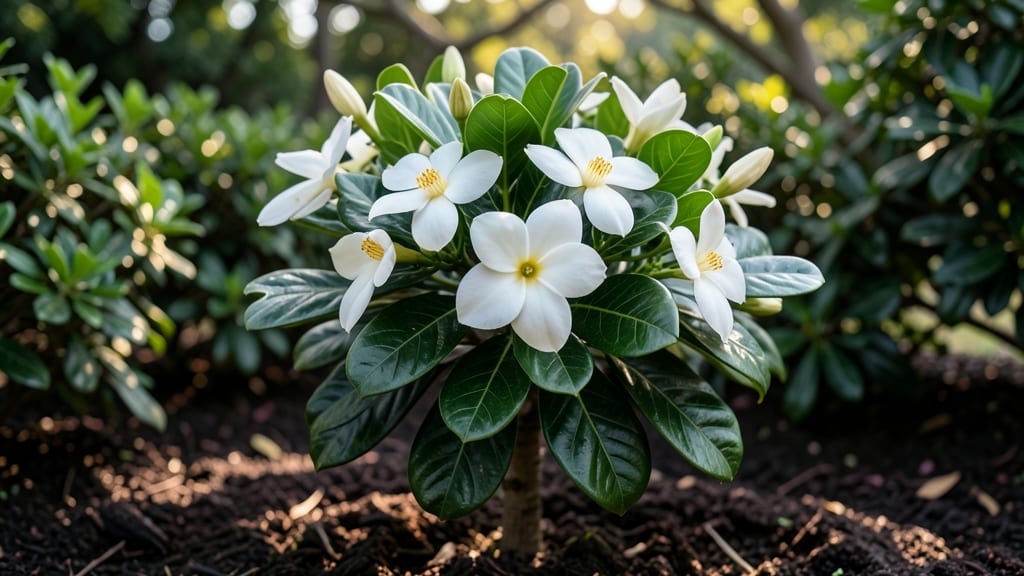
Gardenia flowers bloom between late spring and summer 🌸, with timing that shifts dramatically depending on your climate zone—missing the window means waiting months for their intoxicating scent.
If you’ve ever waited eagerly for your gardenia’s intoxicating blooms—only to be left disappointed—timing is everything. These fragrant favorites follow a precise schedule shaped by your climate zone, and missing it means months of waiting for their signature white flowers.
In cooler regions like USDA Zone 6a, gardenias typically flower in June and July, while warmer zones like Florida or California may see blooms as early as April or stretch them into August.
The difference comes down to heat, sunlight, and even soil moisture—small tweaks can shift your gardenia’s schedule by weeks.
Below, I’ll break down the exact months for your zone, how to encourage earlier blooms, and what to do if your gardenia is playing hard to flower. No more guessing—just reliable, fragrant results.
Gardenia flowering months by USDA climate zones: exact timelines
If you’ve ever waited eagerly for your gardenia’s intoxicating blooms—only to be left disappointed—timing is everything. These fragrant favorites follow a precise schedule shaped by your USDA climate zone, and missing it means months of waiting for their signature white flowers.
In Zone 7, for example, gardenias typically bloom in late spring to early summer, while Zone 11 gardeners enjoy year-round blooms. Understanding these exact timelines helps you plan for the best fragrance and beauty in your garden.
Gardenias thrive in warm climates, but their blooming windows vary dramatically depending on where you live. For instance, Florida gardeners can expect blooms from spring through fall, while California’s coastal regions see peak blooms in late spring.
Even within the same zone, microclimates—like urban heat islands or coastal breezes—can shift bloom times by 2-4 weeks. Let’s break down the exact months for each zone so you can set your expectations and enjoy gardenias at their finest.
In Zone 7, gardenias typically burst into bloom in late May, with some varieties like 'Kleim’s Hardy' extending into July. If you’re in Zone 8, you’ll enjoy a longer season from April through August, thanks to milder winters.
The key to maximizing blooms in these zones is protecting your plants from late spring frosts, which can damage buds and delay flowering.
Gardeners in Zone 9 and Zone 10 have the advantage of extended blooming seasons, often from March to November. In these warmer climates, gardenias like 'Radicans' can produce flowers almost year-round, especially in coastal regions where humidity and mild temperatures create ideal conditions.
For example, Southern California’s coastal areas see gardenias blooming from February to December, while inland desert zones may have a shorter peak in spring and fall.
If you live in Zone 11, congratulations—you’re in the sweet spot for gardenias! These plants can bloom year-round in tropical climates like Florida and Hawaii, with peak fragrance in spring and fall.
However, even in these ideal conditions, gardenias still benefit from regular pruning to encourage continuous blooming. Prune lightly after each flush of flowers to maintain shape and stimulate new growth.
Regional variations play a huge role in bloom timing. For example, Florida’s humidity supports year-round blooms, while Northern
How to trigger gardenia blooms earlier (or extend their season)
If your gardenia’s blooms always seem to arrive late—or worse, skip a season entirely—you’re not alone. These fragrant shrubs thrive on routine, but with the right adjustments, you can shift their flowering window by 2-4 weeks.
The secret lies in mimicking their natural triggers: temperature shifts, light exposure, and nutrient timing. Think of it like nudging your gardenia into early spring mode, even if your calendar says summer.
For example, gardenias in USDA Zone 8 typically bloom in May-June, but with targeted care, you can coax flowers as early as April. The key is understanding their dormancy cues—these plants need a period of cooler temperatures to set buds, followed by a warm-up to trigger blooms.
By controlling these factors, you’re essentially tricking your gardenia into thinking winter’s over sooner.
- 1. Strategic Pruning: Cut back 1/3 of old growth in late winter (before buds form) to stimulate new, flower-bearing branches. Avoid pruning after June, or you’ll delay next year’s blooms.
- 2. Light Manipulation: Move potted gardenias to a sunnier spot in early spring (4-6 hours of morning sun) to signal blooming time. In shade, they’ll focus on foliage, not flowers.
- 3. Temperature Tricks: If nights stay cool (50°F or below), cover your gardenia with frost cloth for 1-2 weeks in March to mimic a brief cold snap, then remove it to warm up—this jumpstarts bud formation.
- 4. Fertilizer Schedule: Switch to a high-phosphorus fertilizer (10-20-10) in early spring to boost flowering. Avoid nitrogen-heavy feeds—it promotes leaves over blooms.
- 5. Water Adjustments: Reduce watering slightly in late summer to stress the plant enough to trigger dormancy hormones, which are essential for bud set.
Let’s start with the easiest win: pruning. Most gardeners prune after blooming, but for earlier flowers, time it right. In late winter (February-March), trim back 1/3 of the oldest stems—these are often bare or woody.
You’re not just shaping the plant; you’re encouraging new growth that will bear flowers sooner. Use clean, sharp shears and cut just above a leaf node or bud to avoid leaving stubs.
Light exposure is another game-changer. Gardenias need partial shade, but if you want blooms earlier, give them a morning sun boost. Place potted gardenias near an east-facing window or move them outdoors to a spot that gets 4-6 hours of sun before noon.
Afternoon sun can scorch their leaves, so avoid southern exposures. For outdoor gardenias, gradually introduce more morning light over 2-3 weeks to avoid shocking the plant.
Temperature control is where the magic happens. Gardenias need a cool period to set buds, followed by warmth to open them. If your spring is unusually warm, your gardenia might skip blooming entirely.
Try this: in March, if nights are still chilly (50°F or below), cover your gardenia with frost cloth for 1-2 weeks, then remove it to let temperatures rise. This temperature swing mimics nature’s cues and can advance blooming by 3-4 weeks.
Finally, don’t underestimate the power of fertilizer. Gardenias need phosphorus (the middle number in NPK) to flower, but too much nitrogen (the first number) will send them into leaf-producing overdrive. In early spring, switch to a 10-20-10 fertilizer and apply it every 4-6 weeks until July.
For potted gardenias, use half the recommended dose to avoid root burn. Pair this with a light mulch of compost to retain moisture and nutrients.
With these tweaks, you’ll smell those intoxicating gardenia blooms weeks ahead of schedule—no more waiting until summer to enjoy their fragrance. Start with one method this season, and you’ll be rewarded with a longer, more abundant bloom time. Happy gardening! 🌸