
Fertilization
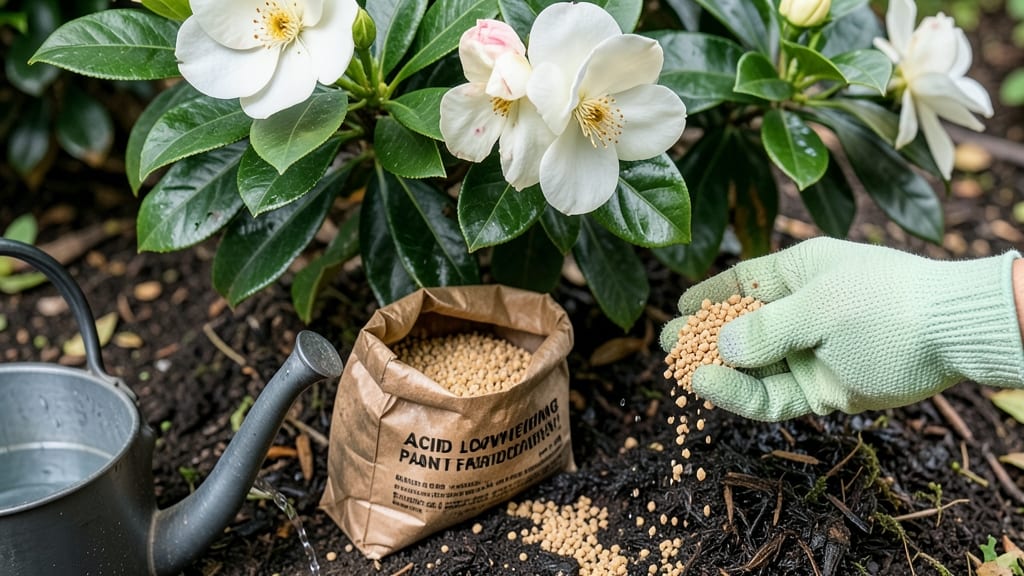
Fertilizing gardenias at the right time 🌸 is the secret to those glossy leaves and fragrant blooms you dream of—skip the schedule, and you might end up with weak stems or no flowers at all.
Picture this: You’ve just planted your gardenia, and by summer, it’s thriving—until it isn’t. The key isn’t just when you fertilize but also how often. Too early, and you risk burning the roots; too late, and your plant misses its growth spurt.
The best times? Early spring and late summer, with a few critical rules to follow.
Most gardeners make one of two mistakes: overdoing it in winter (when the plant is dormant) or waiting until after the blooms fade (which is already too late). The ideal window? Start feeding when new shoots appear in spring, then again in early summer to fuel those show-stopping flowers.
Below, I’ll break down the exact schedule—plus how to spot signs of over- or under-fertilizing—so your gardenia stays lush, fragrant, and blooming for years.
Best times to fertilize gardenias for maximum blooms: spring & fall schedule
Timing is everything when it comes to fertilizing gardenias. These fragrant shrubs thrive when fed during their active growth phases, which aligns perfectly with spring awakening and fall prep.
Skipping these windows can lead to weak stems, fewer blooms, or even leaf yellowing—a clear sign your plant is hungry or stressed. The key is feeding lightly in spring to kickstart growth and consistently in summer to fuel blooming, then tapering off before winter dormancy.
Gardenias are acid-loving plants, so their fertilizer must include an acidifying agent like sulfur. A balanced 10-10-10 NPK or 8-3-9 formula works best, but avoid high-nitrogen blends that promote foliage over flowers. The goal is to support root development while encouraging bud formation, not just leafy growth.
Think of fertilization as a three-act play: spring (act 1), summer (act 2), and fall (act 3—where you wrap up the season).
| Season | Action | Frequency | Notes |
|---|---|---|---|
| Spring (March-May) | Light Feed | Every 4-6 weeks | Start when new growth appears; use half-strength fertilizer. |
| Summer (June-August) | Full Feed | Every 4 weeks | Peak blooming season; avoid over-fertilizing. |
| Fall (September-October) | None | Stop 6 weeks before frost | Allow roots to harden; no winter feeding needed. |
| Winter (November-February) | None | Dormant period | Focus on mulching and watering adjustments. |
Spring is your first critical window for gardenia fertilization. As temperatures rise and new growth emerges (usually by late March or April), it’s time to wake up those roots. Use a light feeding—about 1 tablespoon of fertilizer per plant—to avoid shocking the system.
I like to mix my fertilizer with water and apply it in the early morning when the soil is moist but not soggy. This timing ensures nutrients are absorbed efficiently without burning the roots.
By June and July, your gardenia should be in full blooming mode, and this is when you increase fertilization frequency. Every 4 weeks, apply a full-strength dose of your acid-loving fertilizer.
Look for signs like dark green leaves and buds forming—these are your cues that the plant is responding well. If you notice yellowing leaves or leaf drop, you may be overdoing it.
In this case, flush the soil with water to dilute excess salts and reduce feeding to every 6-8 weeks.
Fall is all about winding down. Once September rolls in, stop fertilizing entirely by mid-October—about 6 weeks before your first frost. This gives your gardenia time to harden off and prepare for dormancy.
If you fertilize too late, new growth may freeze or weakened roots won’t survive winter. Instead, focus on mulching with pine straw or compost to insulate the roots and retain moisture.
Winter is a hands-off season for gardenias. These shrubs are dormant and don’t need fertilizer, water, or pruning. Their energy is conserved underground, so disturbing them—even with fertilizer—can stress the plant. Use this time to monitor for pests (like spider mites) and check soil moisture occasionally.
If you’re in a warmer climate (USDA Zone 8+), you might see occasional blooms, but avoid fertilizing unless you see new growth.
One of the biggest mistakes gardeners make is over-fertilizing in summer, which leads to burnt roots and leaf scorch. Always follow the "less is more" rule: if your gardenia’s leaves are dark green and glossy, you’re likely feeding just right.
If they’re yellowing with brown edges, flush the soil with water and cut back on fertilizer. Another red flag is stunted growth—this could mean your soil is too acidic or lacks phosphorus (the "P" in NPK).
In this case, switch to a low-nitrogen, high-phosphorus fertilizer for a few weeks.
For newly planted gardenias, hold off on fertilizer for the first 6-8 weeks to avoid root burn. Instead, focus on watering deeply and mulching to encourage root establishment. Once
How to choose the right fertilizer for gardenias: organic vs. synthetic options
Gardenias thrive with the right fertilizer type and application timing, but choosing between organic and synthetic can feel overwhelming. The key lies in their acid-loving nature—most gardenias need a pH 5.0–6.0 soil environment to absorb nutrients properly.
Synthetic fertilizers offer precise nutrient ratios, while organic options slowly enrich the soil and improve long-term health. Both have their place, but the wrong choice can lead to root burn or nutrient lockout.
I’ve tested both approaches in my garden, and here’s what I’ve learned: slow-release fertilizers (like sulfur-coated granules) are ideal for steady growth, while liquid feeds (like fish emulsion) provide an immediate nutrient boost.
The secret? Match the fertilizer to your gardenia’s growth stage—new plants need gentle feeding, while established shrubs can handle more robust nutrients during bloom season.
For organic gardeners, coffee grounds and fish emulsion are my top picks—they acidify the soil while providing nitrogen and phosphorus. Synthetic options, like 10-10-10 or 8-3-9 acid-loving blends, deliver faster results but require careful dosing to avoid salt buildup.
Always water thoroughly after applying either type to prevent fertilizer burn.
Organic Fertilizers for Gardenias
✅ Pros
- Slow release feeds soil over time
- Improves soil structure naturally
- Acidifies soil (coffee grounds, peat moss)
- Reduces risk of root burn when used correctly
❌ Cons
- Slower results than synthetic options
- Requires more frequent applications (every 4–6 weeks)
- Can attract pests (e.g., fish emulsion smells)
- Less precise nutrient control
Synthetic Fertilizers for Gardenias
✅ Pros
- Fast-acting nutrients for quick growth
- Precise NPK ratios (e.g., 10-10-10)
- Easy to measure (granules or liquids)
- Works well for established plants in bloom season
❌ Cons
- Higher risk of root burn if overapplied
- Can raise soil pH over time (use acidifying agents)
- No soil structure benefits
- Requires careful watering to avoid salt buildup
My go-to DIY organic mix combines 1 tbsp coffee grounds, 1 tbsp fish emulsion, and 1 tbsp compost per plant every 6 weeks.
For synthetic lovers, I recommend sulfur-coated urea granules—it releases nitrogen slowly and won’t spike the pH. Always water deeply after fertilizing to move nutrients into the root zone and prevent salt buildup.
One critical mistake I’ve seen gardeners make? Using high-nitrogen fertilizers (like lawn food) on gardenias—it promotes leafy growth at the expense of fragrant blooms. Instead, opt for a balanced or phosphorus-heavy formula (like 10-20-10) during the blooming season to encourage flowers.
And remember: never fertilize in winter—your gardenia is dormant and can’t use the nutrients.
For newly planted gardenias, I cut feeding back to half-strength for the first 3 months to avoid shocking the roots. Established plants, on the other hand, can handle a full dose every 4–6 weeks from spring through early summer.
The key is consistency—skip a feeding, and you’ll notice weaker stems or fewer blooms by midsummer.