
Planting
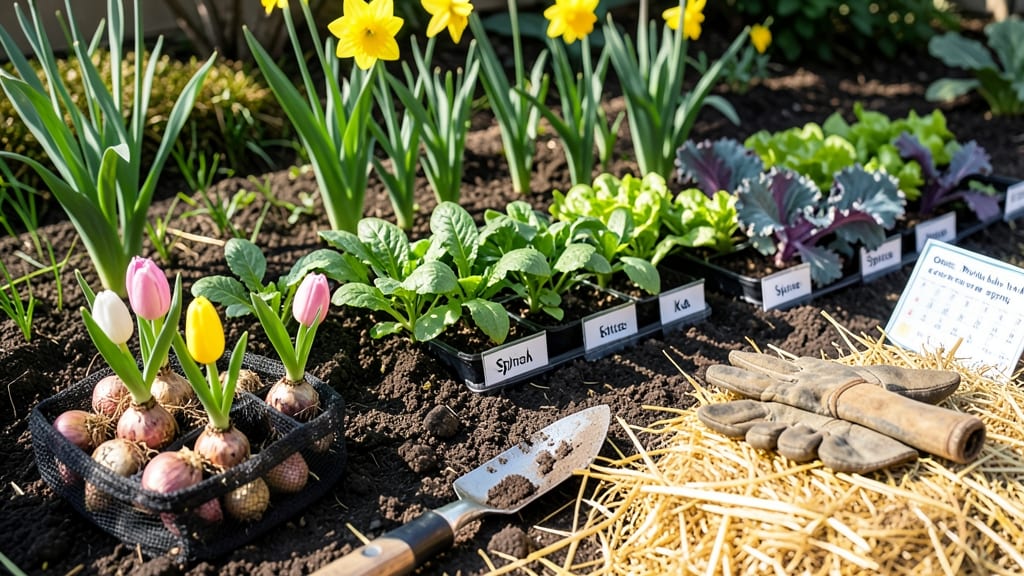
Planting a garden in Ohio starts after your last frost date—typically mid-April to mid-May for most of the state, but timing can shift by weeks depending on your exact zone.
Ohio’s unpredictable frost dates and diverse microclimates can turn gardening into a guessing game—unless you know the exact planting windows for your zone. Get the wrong timing, and your tomatoes could freeze before fruiting, or your lettuce bolt in the heat.
This guide breaks down Ohio’s frost-free periods by USDA zone, so you can align your planting schedule with local conditions—whether you’re in the cooler hills of Appalachia or the warmer Lake Erie shoreline.
You’ll learn when to start seeds indoors, which crops thrive in Ohio’s short but intense summers, and how to stretch your harvest season with simple tricks like row covers and mulch.
Ohio planting dates by hardiness Zone (5a-6b) and frost averages
Ohio spans USDA hardiness zones 5a through 6b, meaning frost dates can vary by 2-3 weeks between northern and southern regions.
In Zone 5a (northwest Ohio, like Toledo), the last spring frost typically arrives around April 25, while Zone 6b (southern Ohio, like Cincinnati) sees frost-free conditions by April 10.
These differences matter—planting tomatoes in Toledo before May 10 risks frost damage, but Cincinnati gardeners can start them by April 20.
Ohio’s Lake Effect near Lake Erie creates microclimates where warmer air lingers longer in spring. Inland areas, like Columbus, often experience earlier frosts in fall. For example, northern Ohio may see its first frost by October 10, while southern Ohio can stretch harvests until October 25.
Always check the Ohio State University Extension’s frost maps for your county’s 10-year averages.
Here’s how to adjust for early/late years: If you’ve had 3+ consecutive mild winters, push spring planting 1 week earlier. Conversely, if frost lingers, use row covers to protect tender crops.
For fall planting, wait until 2 weeks before your county’s average first frost date—this gives heat-loving plants like peppers time to mature before cold sets in.
| Zone | Last Spring Frost | First Fall Frost | Heat-Tolerant Window | Microclimate Tip |
|---|---|---|---|---|
| 5a (Toledo, Youngstown) | April 25 | October 10 | June 1 – Sept 15 | Use black plastic mulch to warm soil 2°F faster. |
| 5b (Findlay, Mansfield) | April 20 | October 15 | May 20 – Sept 20 | Lake Erie areas: plant cold crops 1 week earlier. |
| 6a (Columbus, Dayton) | April 15 | October 20 | May 10 – Sept 25 | Inland areas: delay planting until soil warms to 60°F. |
| 6b (Cincinnati, Lexington) | April 10 | October 25 | April 25 – Oct 10 | Southern Ohio: extend fall with row covers until Nov 1. |
For cool-season crops like peas, lettuce, and spinach, start seeds 4-6 weeks before your last frost date. In Zone 5a, that’s early March; in Zone 6b, late February. Harden off seedlings by mid-April (Zone 5a) or early April (Zone 6b) to avoid transplant shock.
My trick? Use bubble wrap tunnels over young plants to shield them from late frosts.
Heat-loving crops like tomatoes, peppers, and cucumbers need soil temperatures above 60°F. In Ohio, this typically means waiting until mid-May for Zone 5a and early May for Zone 6b. Use a soil thermometer—if it reads below 55°F, delay planting.
I once planted tomatoes in late April in Cincinnati, and they wilted from cold soil. Lesson learned: patience pays off.
Ohio’s fall planting window is often overlooked but crucial for cool-season harvests. Start broccoli, kale, and carrots by August 1 in Zone 6b or August 15 in Zone 5a. These crops thrive in 50-65°F soil and can tolerate light frosts.
For overwintering crops like garlic, plant cloves in October—they’ll root before winter and shoot in spring.
Pro tip: Track your local frost history for 3 years to spot trends. For example, if your neighborhood near a large body of water (like the Maumee River) stays warmer, you might plant 2 weeks earlier than official averages.
I adjusted my Zone 5b garden’s schedule after noticing my row covers protected spinach until November 1—far later than the county average.
When in doubt, use Ohio State University’s Planting Calendar (available via their [Extension office](https://extension.osu.edu)). It includes county-specific adjustments for soil type, elevation, and urban heat islands. For instance, Columbus’s downtown can be 5°F warmer
Best crops to plant by month in Ohio (with heat/frost tolerance charts)
Ohio’s gardening season hinges on temperature tolerance—some crops thrive in cool spring soil, while others need summer’s heat to produce. Planting peas in March or tomatoes in June makes all the difference. The key? Matching your crop’s ideal temperature range to Ohio’s frost-free windows.
For example, spinach and kale bolt in heat, so they’re best in early spring or fall. Meanwhile, peppers and eggplants need consistent warmth—plant them too early, and they’ll sulk until July.
Below, I’ve mapped out Ohio’s top 15 vegetables by month, plus a temperature tolerance chart to avoid costly mistakes.