
Fertilization
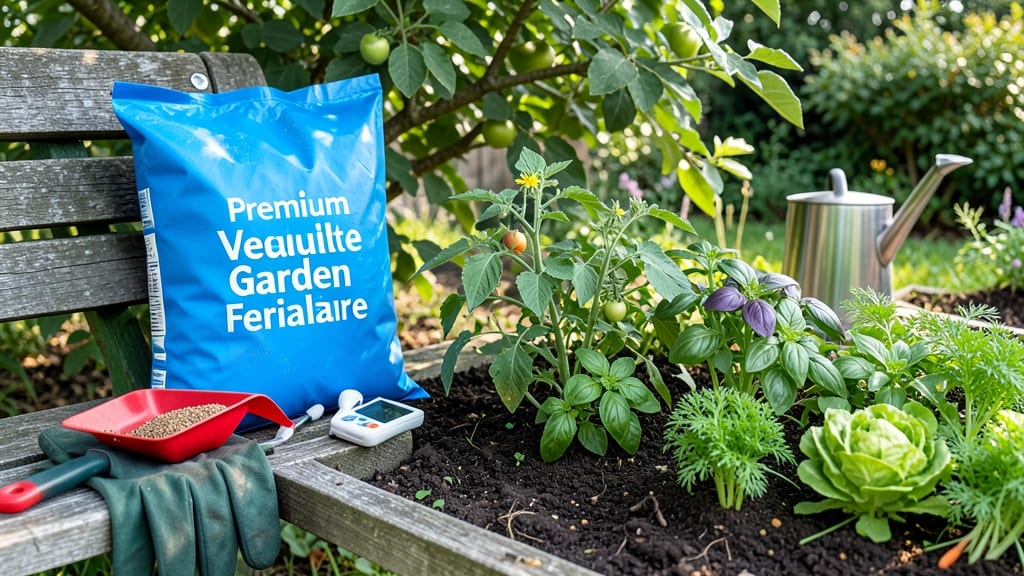
The best time to fertilize your garden is in early spring and again in late summer—just before the fall planting window—when plants are primed to soak up nutrients for explosive growth.
Timing your garden fertilization wrong can mean wasted nutrients—or worse, stunted plant growth. Discover the science-backed windows for spring and fall feeding that will transform your garden’s health and yield.
Most gardeners rush to fertilize as soon as the soil thaws, but that’s often too early. Cool soil locks out nutrients, leaving your 🌱 General Garden struggling to absorb what you’ve applied. Instead, wait until the ground reaches 50°F—around mid-April in Zone 6a—to give roots the kickstart they need.
In this guide, you’ll learn the exact spring and fall schedules for vegetables, flowers, and lawns, plus how to read your soil’s signals. No more guesswork—just stronger roots, bigger blooms, and a harvest you’ll actually brag about.
Spring fertilization schedule: jumpstart growth with the right timing
Spring is the make-or-break season for your garden’s growth, and fertilization timing directly impacts root development and yield. Too early, and nutrients sit idle in cold soil; too late, and plants miss critical growth spurts. The key is understanding soil temperature thresholds and aligning feeding with plant life cycles.
Most gardeners focus on early spring fertilization to prepare soil before planting, but late spring and post-harvest feedings are equally vital. For example, cool-season crops like lettuce and peas thrive with early-season nutrients, while warm-season plants like tomatoes and peppers need feeding after soil warms to 60°F (15°C).
Soil temperature is your best indicator for fertilization timing. Use a soil thermometer to check depths of 2-4 inches. Below 50°F (10°C), microbes can’t break down nutrients—wasting your investment. Wait until temperatures stabilize at 55-60°F (13-15°C) for optimal microbial activity and nutrient uptake.
Here’s a seasonal breakdown of when to fertilize, tailored to plant types and growth stages:
For cool-season crops, like spinach or kale, apply a light nitrogen boost in early spring to encourage leafy growth. These plants tolerate cooler soils, so you can fertilize as soon as the ground is workable—typically 4-6 weeks before your last frost date.
Use a low-phosphorus fertilizer (e.g., 12-2-4) to avoid excessive foliage at the expense of roots.
When warm-season plants like tomatoes or peppers emerge, switch to a phosphorus-heavy fertilizer (e.g., 5-10-10) to strengthen roots and fruit development. Wait until soil temperatures consistently stay above 60°F (15°C)—usually 2-3 weeks after your last frost.
A simple trick? Press your hand into the soil for 5 seconds; if it feels warm, it’s ready.
Post-harvest fertilization is often overlooked but critical for continuous producers like basil or zucchini. After harvesting 30-50% of the plant’s yield, apply a balanced fertilizer with extra potassium (e.g., 10-10-20) to replenish nutrients. This prevents blossom-end rot in tomatoes and boosts next-year’s growth for perennials like asparagus.
Regional adjustments matter: In USDA Zone 5 or colder, delay fertilization until after May 1 to avoid frost damage. In Zone 8+, you can fertilize as early as February for early bloomers like snapdragons.
Always water deeply after feeding to move nutrients into the root zone and prevent leaf burn.
Pro tip: Pair fertilization with mulching to retain moisture and regulate soil temperature. Use straw or shredded leaves for cool-season crops and black plastic mulch for warm-season plants to accelerate soil warming. This dual approach can cut fertilization time by 2-3 weeks by creating ideal growing conditions faster.
🌱
Fall fertilization secrets: boost next year’s garden before winter
Fall is the perfect time to give your garden a nutrient boost that will pay off next spring. While most gardeners focus on spring feeding, late-season fertilization helps plants build stronger roots and store energy for early growth.
Think of it as a winter survival kit for your soil and plants.
Unlike spring, when plants are actively growing, fall fertilization works because cooler temperatures slow growth just enough for roots to absorb nutrients without producing tender, frost-sensitive shoots. This strategic timing ensures your garden wakes up ready to thrive in spring rather than struggling to catch up.
But timing is everything—apply too early, and you risk encouraging new growth that won’t survive winter. Too late, and your plants won’t have time to use the nutrients before dormancy.
The key window is 6-8 weeks before your first frost, typically late September to early October in Zone 6a.
Do: Fertilize 6-8 weeks before frost (Zone 6a: late September) for root development. Use a low-nitrogen, high-phosphorus fertilizer (like 5-10-10) to encourage root growth without promoting top growth.
Don’t: Fertilize after the first frost—plants won’t absorb nutrients, and excess can leach into groundwater. Avoid high-nitrogen fertilizers in fall, as they promote tender new growth that won’t survive winter.
For vegetables like kale and carrots, a light feeding in early fall can extend harvests, but focus on root crops and perennials for long-term benefits. Spread a balanced organic fertilizer (like compost or bone meal) around plants, then water deeply to help nutrients penetrate the soil.
Don’t forget to mulch after fertilizing—a 2-3 inch layer of straw or leaves insulates roots and protects against temperature swings. This dual approach ensures your soil stays fertile and your plants stay healthy through winter’s chill.
By following these fall fertilization secrets, you’ll set the stage for a bountiful spring garden with fewer pests, stronger plants, and earlier harvests. It’s like giving your garden a head start on the growing season!