
Pruning
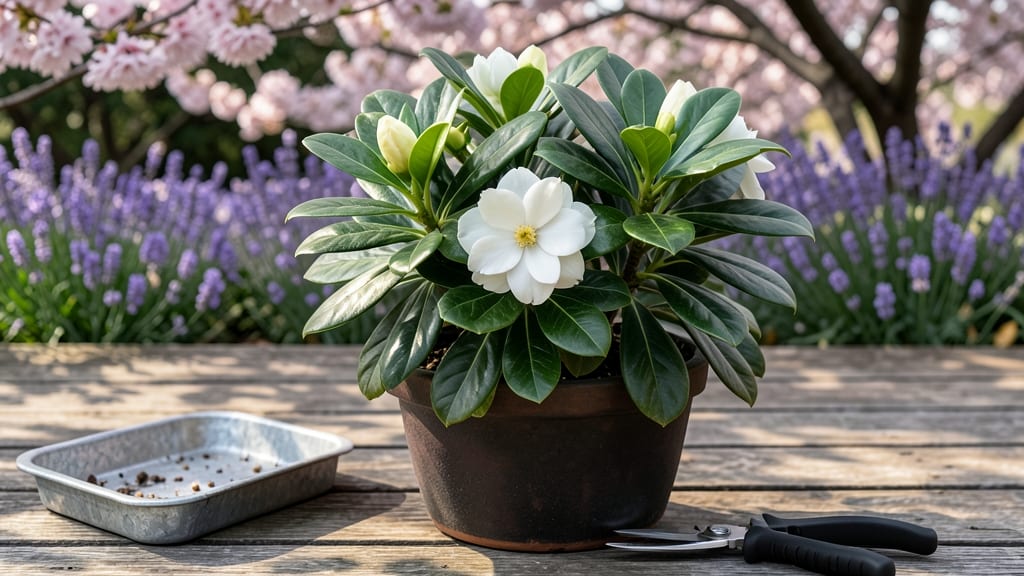
The best time to prune gardenias is late winter, just as new buds begin to swell but before spring growth explodes 🌸—this critical window sets the stage for your shrubs' most abundant blooms.
Picture this: You’ve waited all year for those intoxicating white blossoms, only to realize your gardenias are overgrown, leggy, or—worse—barely flowering. The difference between a lush, fragrant gardenia and a struggling one often comes down to one simple timing rule most gardeners miss.
In USDA Zones 7-10, where gardenias thrive, late winter (around February to early March) is the sweet spot—after the last frost but before the heat of spring kicks in. This timing encourages fresh, vigorous growth while avoiding the stress of pruning during flowering or frost.
Below, I’ll walk you through the exact steps to prune your gardenias for healthier blooms, the tools you’ll need, and how to avoid the five biggest pruning mistakes that sabotage your shrubs every year.
Late winter pruning: the optimal time & climate conditions for gardenias
Timing your gardenia pruning is like catching a sunrise wave—too early, and you risk frost damage; too late, and you miss the growth surge that fuels summer blooms. The sweet spot falls in late winter, when gardenias emerge from dormancy but before new shoots harden into wood.
This window, typically February to early March in USDA zones 7-10, aligns with nature’s reset button for these acid-loving shrubs.
Think of it as a scientific equation: warm soil (55°F+) + dormant buds + no frost risk = perfect pruning conditions. Skipping this timing can leave your gardenias leggy, overcrowded, or worse—prone to pests like scale insects that thrive in dense, unpruned foliage.
Let’s break down the exact climate triggers and regional adjustments to nail this pruning window every time.
| Climate Factor | Ideal Condition | USDA Zone 7 | USDA Zone 8 | USDA Zone 9-10 |
|---|---|---|---|---|
| Soil Temperature | 55°F+ (13°C+) | Late Feb–Early March | Mid Feb–Late March | January–February |
| Bud Swell Stage | Tight, green buds visible | Check by Feb 15 | Check by Feb 1 | Check by Jan 20 |
| Frost Risk | 0% chance | After last frost (avg. March 1) | After last frost (avg. Feb 20) | No frost risk |
| Post-Bloom Recovery | 6-8 weeks after last bloom | Prune by April 15 | Prune by March 30 | Prune by March 15 |
| Signs to Prune | New growth at base, no flowers | ✅ Bud swell + warm soil | ✅ Bud swell + no frost | ✅ Bud swell anytime |
Your local microclimate plays a bigger role than you might think.
For example, gardenias in USDA Zone 7 (like those in Atlanta or Raleigh) need to wait until after March 1 to avoid late frosts, while Zone 9-10 gardeners (think Los Angeles or Miami) can prune as early as January.
The key is to monitor soil temperature—stick a thermometer 4 inches deep; if it’s below 55°F, wait.
Don’t rely solely on the calendar—visual cues are your best friends. Look for tight, green buds along the stems (not the swollen but soft buds of spring). These indicate the plant is ready to redirect energy into new growth.
Another telltale sign? Deadheading from last year’s blooms has stopped, and you’re seeing new leaves at the base of the shrub. This is your green light to prune.
If you’re in a coastal area (like San Diego or Charleston), you might spot earlier bud swell due to milder winters. Conversely, inland or high-elevation zones (e.g., Denver or Asheville) may need to delay until mid-March.
Pro tip: Group pruning with other acid-loving shrubs like azaleas or camellias—these plants share similar dormancy cycles, so their bud stages will align.
Pruning too early—before buds swell—can shock the plant and delay blooming by 4-6 weeks. On the flip side, waiting until after April risks overcrowded branches and fewer flowers. The late-winter window is your chance to shape the plant’s energy for the coming season,
Step-by-step late winter pruning guide: tools, techniques & critical mistakes to avoid
Late winter pruning is your gardenia’s secret weapon for bigger blooms and healthier growth. The key is to prune just as the plant wakes from dormancy but before new shoots emerge—typically February to early March in USDA Zones 7-10.
This timing encourages fresh, vigorous branches while avoiding stress during flowering.
Start by gathering your tools: bypass pruners for clean cuts, loppers for thicker branches, and sterilized shears to prevent disease. Remove any dead or crossing branches first, then shape the shrub by cutting back 1/3 of the oldest growth to stimulate new growth from the base.
For flowering varieties, avoid heavy pruning—focus on removing only spent blooms and leggy stems. Gardenias bloom on old wood, so aggressive cuts can reduce next year’s flowers. Always cut at a 45-degree angle just above a leaf node or bud to encourage outward growth.
⚠️ callout-warning ⚠️
Pruning gardenias after bud swell (March-April) can delay blooming or stress the plant. The critical window is February—after last frost but before active growth. In warmer zones (Zone 10), prune in January to avoid heat stress.
🌱 Pro Tip: Check for bud swell—tiny green bumps on stems—before pruning. If buds are already open, wait until after flowering (late summer) for light deadheading.
Now, let’s tackle the five biggest pruning mistakes that weaken gardenias. First, never prune during frost—cold temperatures slow healing, inviting disease. Second, avoid topping the plant (cutting the top flat), which creates weak, sparse growth. Third, don’t skip sterilizing tools—bacteria from old cuts can spread to healthy branches.
Fourth, over-pruning reduces next year’s blooms. Gardenias thrive with moderate shaping, not drastic cuts. Finally, ignore watering needs post-prune—deep watering every 2-3 days helps recovery. After pruning, apply a balanced fertilizer (10-10-10) to fuel new growth.
With the right tools and timing, late winter pruning can double your gardenia’s blooms next season. Focus on clean cuts, strategic shaping, and post-care, and your shrubs will reward you with fragrant, lush foliage all summer long. Happy pruning! ✂️🌸