
Fertilization
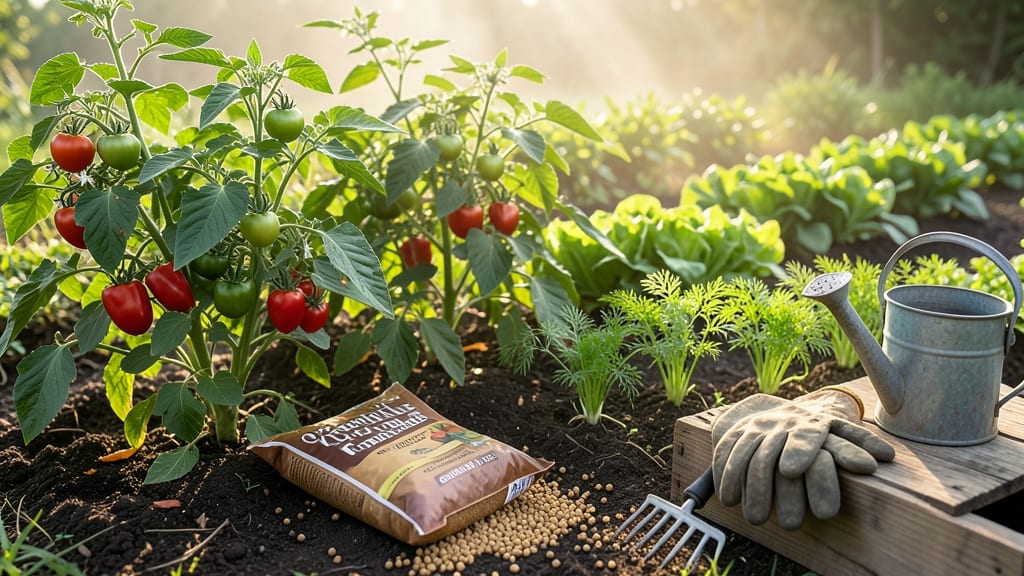
Fertilizing your garden at the right times is the difference between lush, thriving plants 🌱 and struggling ones that never quite reach their potential.
Timing your garden fertilization isn't just about throwing nutrients at the soil—it’s about unlocking your plants' full potential at the exact moments they need it most. Get this wrong, and you’ll waste money, harm your plants, or miss out on bountiful harvests.
In Zone 6a, where spring arrives around mid-April and summer stretches until October, your garden’s needs shift dramatically. Cool-season crops like lettuce and peas demand a boost as soon as the soil warms, while tomatoes and peppers won’t respond until after the last frost—usually by early May.
Below, I’ll walk you through a seasonal fertilization calendar tailored to your garden’s growth stages, plus how to spot when your plants are begging for nutrients—and when to hold back.
The science-backed fertilization timeline by plant type
Fertilizing your garden at the right time isn’t about following a one-size-fits-all schedule—it’s about syncing nutrients with your plants’ growth stages. Vegetables, flowers, and lawns all have unique timelines for when they need feeding most.
For example, leafy greens crave nitrogen early, while tomatoes need phosphorus when flowering. Understanding these stages prevents wasted fertilizer and maximizes yields.
Soil nutrients deplete at different rates depending on the plant type and season. Vegetables often need feeding every 4-6 weeks during active growth, while perennial flowers benefit from a spring boost and a fall top-up.
Lawns, on the other hand, thrive with seasonal feedings—spring for green-up and fall for root strengthening. Let’s break down the exact moments to fertilize for each category.
| Plant Type | Fertilization Stage | Best Time to Apply | Nutrient Focus |
|---|---|---|---|
| Vegetables (e.g., Tomatoes, Peppers) | Pre-Planting | 2-4 weeks before transplanting | Balanced (10-10-10) or compost |
| Vegetables (e.g., Lettuce, Spinach) | Early Growth | First 3-4 weeks after germination | High nitrogen (e.g., 20-5-10) |
| Vegetables (e.g., Tomatoes, Peppers) | Flowering/Fruiting | Every 2-3 weeks during harvest | High phosphorus (e.g., 5-10-10) |
| Flowers (e.g., Roses, Petunias) | Spring Awakening | Early April (after last frost) | Balanced (10-10-10) or rose-specific |
| Flowers (e.g., Perennials) | Fall Prep | Late September | Low nitrogen (e.g., 5-10-10) |
| Lawns (Cool-Season) | Spring Green-Up | Mid-April to May | High nitrogen (e.g., 30-0-4) |
| Lawns (Warm-Season) | Summer Recovery | June to July | Balanced (16-4-8) |
| Lawns (All Types) | Fall Root Boost | Late August to September | Slow-release (e.g., 12-0-0) |
For vegetables, timing is critical because their nutrient needs shift dramatically. Leafy greens like spinach and lettuce need a nitrogen-rich feed during their early growth stages to produce lush foliage.
Once they start flowering or bolting, switch to a lower-nitrogen formula to avoid bitter flavors. Fruiting plants, such as tomatoes and peppers, require a phosphorus boost when buds form to encourage strong root and flower development.
When it comes to flowers, the rule of thumb is to fertilize early in the season to kickstart growth and again mid-season to sustain blooming. Perennials like roses benefit from a light feeding in fall to build resilience for winter.
Annuals, however, need consistent feeding—every 2-3 weeks—to keep producing vibrant blooms. Overlooking this can lead to leggy stems and fewer flowers.
Lawns follow a three-season feeding schedule: spring for green-up, summer for recovery, and fall for root strengthening. Cool-season grasses, like Kentucky bluegrass
Signs your garden needs fertilizer (and when to act)
Your garden speaks to you through its leaves, stems, and flowers—but are you listening? Yellowing foliage, stunted growth, or poor flowering aren’t just random misfortunes. They’re nutrient deficiency warnings your plants are screaming for help.
Ignoring these signs can stunt your harvests or even kill struggling plants. The good news? Learning to read these signals lets you fertilize at the perfect moment—before damage becomes permanent.
Diagnosing nutrient issues doesn’t require a degree in botany. By focusing on three key elements—nitrogen, phosphorus, and potassium—you can pinpoint exactly what your garden is missing. For example, pale yellow leaves often mean nitrogen deficiency, while purple stems scream for phosphorus.
Once you spot these clues, you’ll know whether to act immediately or wait for the right season to fertilize.
When Should I Fertilize My Garden?
Don’t fertilize when plants show active stress signs like burnt leaf edges or wilting. Instead, act when you see:
- ✅ Slow growth after initial planting
- ✅ Lackluster flowers or small fruit
- ✅ Soil testing confirms low nutrients
Wait until spring or early summer for most plants—never fertilize in extreme heat or drought.
Start with the leaves. If older leaves turn yellow but stay green along the veins, your plants need nitrogen. This nutrient fuels leafy growth, so a balanced fertilizer like 10-10-10 can revive them.
For phosphorus deficiency, look for dark green or purple leaves paired with weak roots. Here, a phosphorus-rich fertilizer (like bone meal) will encourage flowering and fruiting.
Don’t overlook potassium—the plant’s stress fighter. Brown leaf edges or weak stems signal a shortage. A potassium sulfate boost can strengthen plants, especially during hot summers or drought conditions. Test your soil first! A simple $20 home kit reveals what’s missing before you spend money on guesswork.
Timing matters just as much as the fertilizer type. For vegetables, apply a light feed at planting, then again when flowers appear. Perennials benefit from a spring feeding and a fall top-up to store nutrients for next year.
Lawns? Fertilize in early spring and late summer for lush, resilient grass.
Watch for over-fertilization signs too—crispy brown leaves or white crusts on soil mean you’ve overdone it. Flush the soil with water and wait 6 weeks before feeding again. Your garden’s health depends on balance, not brute force.
Now that you’re tuned into your plants’ language, act fast. A little nutrient boost at the right time can turn struggling plants into thriving powerhouses. Grab that fertilizer—your garden’s future depends on it! 🌱