
Planting
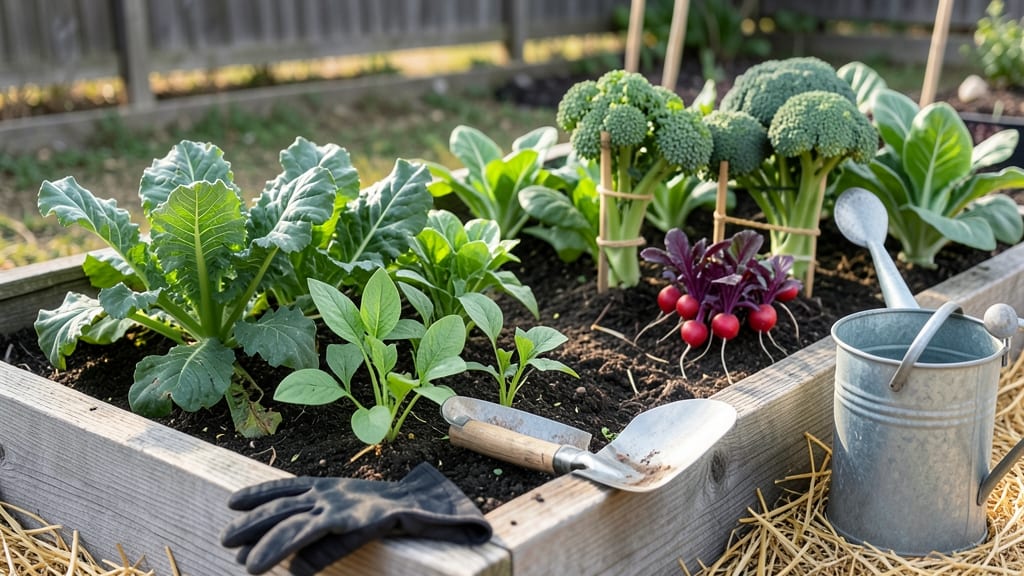
Planting a fall garden in Texas requires timing it just right to beat the heat and avoid the frost.
Texas gardeners know the summer heat can be brutal—but with the right timing and heat-tolerant crops, a thriving fall garden is absolutely possible. The key is starting mid-August to early October, when soil temperatures drop just enough to support growth without inviting pests or disease.
Miss this window, and you risk stunted plants or a harvest cut short by winter chill.
Your location matters too. North Texas gardeners have a slightly longer window than those in South Texas, where humidity lingers longer.
Whether you're in Zone 8a or 10b, the goal is the same: plant 6-8 weeks before your first frost to give your 🌱 Fall Garden Vegetables (General) enough time to mature.
Cool-season crops like kale, broccoli, and carrots thrive in these conditions, while heat-lovers like okra and sweet potatoes can handle early starts.
In this guide, I’ll break down the exact weeks to plant by region, the best crops for Texas’s climate, and how to prep your soil for success.
No more guessing—just a clear, week-by-week timeline to ensure your fall garden is lush, productive, and ready for harvest before the cold sets in.
Best weeks to plant a fall garden in Texas by region (exact timeline)
Texas spans three distinct gardening regions, each with unique last frost dates and heat tolerance levels. North Texas (Zones 7b-8a) has cooler nights, while South Texas (Zones 9a-10b) stays warm longer. Central Texas (Zones 8a-8b) falls in between—getting it right means knowing exact planting windows for your zone.
Your fall garden success hinges on two critical deadlines: starting seeds indoors (if transplanting) and direct sowing outdoors. In Texas, direct sowing should begin 6-8 weeks before your first frost, while transplants can go in 4-6 weeks before frost.
Miss these windows, and you’ll risk bolting crops or frost damage.
Below is your region-specific timeline for North, Central, and South Texas, including heat-tolerant crops that thrive in each zone. Use this as your planting roadmap to avoid common mistakes like overcrowding seedlings or planting too late.
| Region | USDA Zone | First Frost Date | Start Seeds Indoors | Direct Sow Outdoors | Transplant Outdoors |
|---|---|---|---|---|---|
| North Texas | 7b-8a | November 15 | August 15-31 | September 15-October 1 | October 1-15 |
| Central Texas | 8a-8b | December 1 | August 15-September 15 | September 1-October 15 | October 1-31 |
| South Texas | 9a-10b | January 1 | August 1-September 1 | September 15-November 1 | October 15-December 15 |
🌱 Note: Adjust for microclimates (e.g., elevated areas frost earlier).
In North Texas, where first frost hits by mid-November, your last chance to direct sow is early October.
Start heat-tolerant greens like kale or collards by late August indoors to transplant in October. Bolting is a real risk if you wait too long—these crops need cool nights to thrive.
For Central Texas, December 1 is your frost deadline, giving you a longer window to plant.
Begin direct sowing as early as early September for fast-maturing crops like radishes or turnips. Transplant broccoli or cauliflower by mid-October to ensure harvest before frost. Soil temperature drops faster here than in South Texas, so use row covers if nights dip below 50°F.
South Texas gardeners have the luxury of time—January 1 is your frost date, but winters are mild. Start direct sowing as late as mid-November for spinach or lettuce, but prioritize heat-tolerant varieties like Malabar spinach. Transplant cool-season crops until December 15 for a winter harvest. Irrigation is key here—drought stress can stunt growth even in mild winters.
No matter your Texas region, soil prep is non-negotiable. Test your soil’s pH (6.0-7.0 ideal) and amend with compost or aged manure 4-6 weeks before planting. Mulch with straw or leaves to retain moisture and regulate soil temperature. Drip irrigation is your best friend—
Top 7 heat-tolerant fall vegetables for Texas gardens (and when to start them)
Texas summers can be unforgiving, but with the right heat-tolerant vegetables, your fall garden can thrive even as temperatures drop. These 7 resilient crops handle Texas heat better than most, giving you a head start before cooler weather arrives.
The key is planting them at the right time—typically mid-August to early October—to avoid bolting or stunted growth.
Unlike traditional cool-season crops, these varieties won’t wilt under 90°F+ days or struggle with Texas’ caliche-heavy soil. Okra, sweet potatoes, and black-eyed peas, for example, not only survive but produce abundantly in our climate.
Let’s dive into the best options and their ideal planting windows to maximize your harvest before frost.
When Should You Plant a Fall Garden in Texas?
✅ DO:
- Start seeds indoors 6-8 weeks before last frost (early August for most of Texas).
- Direct sow heat-tolerant crops like okra and sweet potatoes by mid-August.
- Use shade cloth for seedlings in peak summer heat (30-50% shade).
- Test soil moisture daily—Texas soil dries quickly in fall.
❌ DON'T:
- Plant cool-season crops like lettuce before September 15—they’ll bolt.
- Overwater—Texas soil retains moisture longer in fall; stick to 1-2 inches/week.
- Ignore mulch—skip it, and soil temps will fluctuate wildly.
- Use fresh manure near seedlings—it burns roots in hot soil.
🌡️ Pro Tip: Monitor soil temps—ideal range for fall planting is 65-85°F. Use a soil thermometer to avoid stressing seedlings.
Okra is one of the most heat-loving vegetables for Texas gardens. Plant seeds directly in the ground from mid-August to early September, spacing them 12-18 inches apart.
Okra thrives in full sun and poor soil, making it perfect for Texas’ alkaline conditions. Harvest pods when they’re 3-4 inches long to encourage continuous production until frost.
Sweet potatoes are another Texas fall garden staple that handles heat like a pro. Start slips (young plants) 6-8 weeks before your first frost, typically late July to early August.
Choose varieties like Beauregard or Georgia Jet, which mature quickly in our climate. They need well-draining soil and consistent moisture, so mulch heavily to retain water.
Black-eyed peas are a drought-tolerant legume that fixes nitrogen in the soil while producing edible pods and peas. Sow seeds directly in the garden from mid-August to early October.
These plants prefer warm soil and full sun, making them ideal for Texas’ fall transition. Harvest pods when they’re plump but still tender, usually 70-90 days after planting.
Malabar spinach, a heat-loving vine, is perfect for Texas gardens because it doesn’t bolt in the heat like traditional spinach. Plant seeds directly in the ground from late July to early September, giving them a trellis or fence to climb.
This perennial in warm climates produces tender leaves all fall long, even as temperatures dip. Harvest leaves as needed—young leaves are the most tender.
Don’t overlook collard greens, which are far more heat-resistant than regular kale or cabbage. Start seeds indoors in late July or direct sow in early August. These greens thrive in full sun to partial shade and well-draining soil.
They’ll keep producing until frost, and their flavor actually improves after a light frost. Space plants 12-18 inches apart for optimal growth.
For a quick harvest, try turnips or radishes, which mature in as little as 30-40 days. Sow seeds directly in the garden from late August to early October. These cool-season crops handle Texas heat better than most because they grow rapidly before temperatures drop.
Harvest greens when young and tender, and pull roots when they reach 1-2 inches in diameter for the best flavor.