
Fertilization
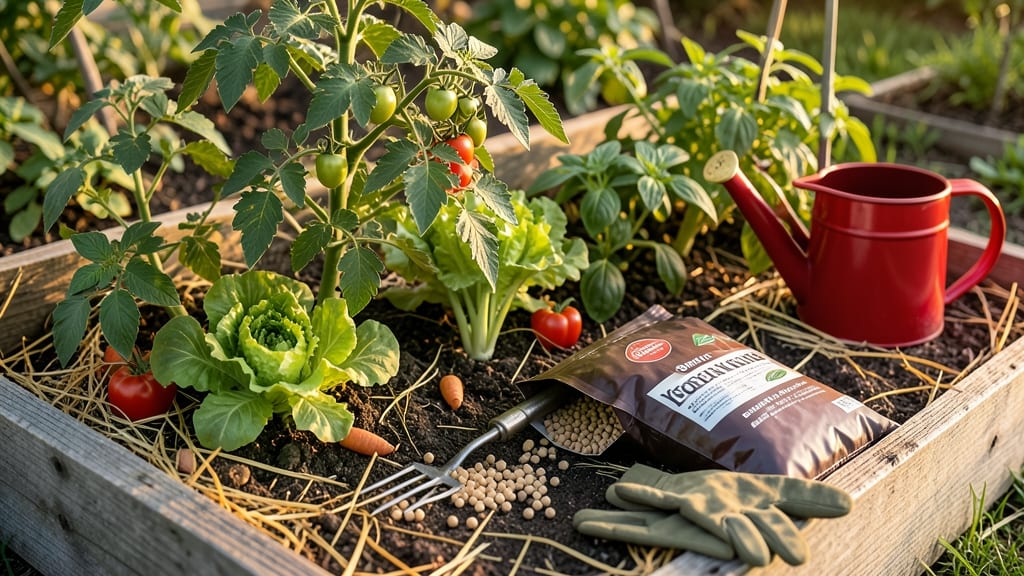
To apply fertilizer to your vegetable garden at the right time means the difference between lush harvests and stunted growth — and the best windows are often the ones most gardeners miss.
Picture this: you’ve just planted your 🥕 seeds after months of planning, only to watch them wilt because you fed them too early. Or worse, you skip fertilizing entirely and end up with sad, underperforming plants.
The truth? Timing is everything, and the rules change depending on whether you’re prepping soil or boosting mid-season growth.
In this guide, I’ll break down the exact moments to fertilize your garden — from pre-planting prep to seasonal adjustments — so you never guess again. We’ll cover soil testing, plant-specific needs, and how to avoid the three biggest mistakes that kill yields before they even start.
Whether you’re in Zone 6a or a warmer climate, you’ll walk away with a clear schedule that keeps your vegetables thriving from seed to harvest. Let’s get started.
Best pre-planting fertilizer schedule for vegetable gardens
Pre-planting fertilization is the foundation of a productive vegetable garden. I've learned the hard way that skipping this step often leads to stunted growth, even with the most careful watering and sunlight.
The key is preparing your soil 4-6 weeks before planting, giving nutrients time to integrate without burning tender roots. This timing works for both cool-season crops like broccoli and warm-season favorites such as tomatoes, though their fertilizer needs differ slightly.
Organic options like compost or aged manure work best for pre-planting because they slowly release nutrients, while synthetic fertilizers can be used 2-3 weeks before planting for immediate results. I always recommend starting with a soil test—my local extension office offers affordable kits—to identify specific deficiencies.
For example, my garden's clay soil tested low in phosphorus, so I added bone meal before planting tomatoes, which love phosphorus for strong roots.
Here's my go-to pre-planting schedule that works for most vegetable gardens, adapted for both organic and synthetic approaches:
For cool-season crops like kale or peas, I focus on nitrogen-rich fertilizers to promote leafy growth, while warm-season plants such as peppers benefit from phosphorus-heavy amendments. My biggest lesson? Never fertilize within 24 hours of planting—the salt concentration can burn delicate seedlings.
Instead, I mix organic matter directly into the planting hole or apply synthetic fertilizers in a watered-down solution a week before transplanting.
One mistake I made early on was over-fertilizing my leafy greens with too much nitrogen, which led to lush foliage but poor flavor. Now I use a 5-10-10 fertilizer for greens and save the 10-10-10 for fruiting plants like tomatoes.
The difference in taste and yield has been remarkable. Always match your fertilizer to the plant's growth priorities—nitrogen for leaves, phosphorus for roots, and potassium for fruits.
If you're working with raised beds, I recommend mixing compost and fertilizer into the top 6-8 inches of soil before planting. For in-ground gardens, till amendments into the top 12 inches to ensure even distribution.
My raised beds, filled with a mix of compost, worm castings, and a slow-release fertilizer, produce vegetables that outperform my in-ground plots—proof that proper pre-planting prep makes all the difference.
Remember that organic fertilizers like fish emulsion or seaweed extract can be applied 1-2 weeks before planting for a gentle nutrient boost, while synthetic granules should be worked into the soil at least 3 weeks in advance.
Always follow the product's instructions, but don't be afraid to adjust based on your soil test results. For example, if your soil is already rich in phosphorus, skip the bone meal and focus on nitrogen instead.
Finally, consider your local climate. In cooler regions, I start fertilizing in early spring, while in warmer zones, a late winter application works better. The goal is to have nutrients available when your plants need them most—right at the start of their growth cycle.
With this schedule, my vegetable garden consistently produces healthier plants, better yields, and fewer pests—all because I gave them the right
Mid-season fertilizing guide: what vegetables need and when
Mid-season is when your vegetable garden either explodes with growth or stalls unexpectedly, and fertilizer timing plays a huge role. Unlike pre-planting feeding, mid-season fertilization targets specific growth stages and nutrient demands—think leafy greens needing nitrogen, tomatoes craving phosphorus, or root crops requiring potassium.
Skipping this step means missing the window for peak production.
I’ve learned the hard way that one-size-fits-all feeding schedules fail—especially when leafy greens bolt from too much heat or tomatoes develop blossom end rot from calcium deficiencies.
The key is adjusting your approach based on what’s growing and how it’s performing. Let’s break down the exact when and how for each plant type.
Feed when plants reach 4-6 inches tall—use high-nitrogen fertilizer (e.g., 10-10-10) to boost leaf production. Avoid over-fertilizing; it causes bitter taste.
Apply phosphorus-rich fertilizer (e.g., 5-10-10) when flowers appear to support fruiting. Look for yellowing leaves—a sign of nitrogen deficiency.
Use low-nitrogen, potassium-heavy fertilizer (e.g., 5-5-10) when tops are 3-4 inches tall. Too much nitrogen = smaller roots.
Feed when tassels emerge (corn) or vines climb (peas)—use balanced fertilizer (e.g., 10-10-10). Watch for purple stems, a sign of phosphorus deficiency.
Apply fertilizer in early morning, water deeply afterward. Stop feeding 4-6 weeks before first frost to harden off plants.
Signs your plants are crying for nutrients (but not in the dramatic way you’d expect) include yellowing leaves, stunted growth, or poor flowering. For example, tomatoes with brown spots on fruit need calcium, while spinach with small, pale leaves lacks nitrogen.
I’ve saved countless plants by spotting these early—don’t wait until it’s too late!
Adjust your feeding schedule based on weather and growth stages. In hot, dry summers, reduce fertilizer to avoid burning roots. In cool, wet springs, focus on nitrogen for leafy growth.
And remember: organic options like compost tea or fish emulsion work slower but build soil health long-term.
Pro tip: Keep a simple garden journal to track when you fertilized and how plants responded. Last year, my zucchini doubled production after I switched to a potassium-heavy feed during flowering. Small tweaks make a big difference!
Now you’ve got the exact timing and plant-specific tips to fertilize like a pro. Next, we’ll cover the three biggest mistakes that even experienced gardeners make—so you can avoid them completely.