
Pruning
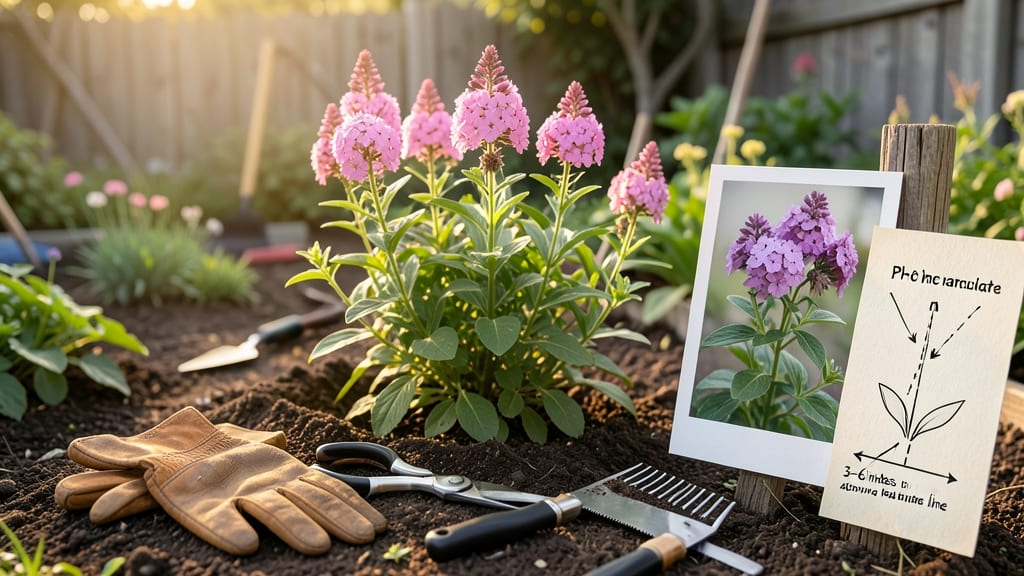
Cutting back garden phlox at the right time ensures vibrant blooms next season and keeps your plants healthy and strong.
If you’ve ever wondered why your garden phlox blooms less each year, the answer might lie in when (and how) you prune it—timing makes all the difference for next season’s vibrant flowers.
Most gardeners make the mistake of waiting until late fall or early spring, but the best time to cut back garden phlox is actually in late summer—around August to September—when the plant has finished flowering. This timing prevents dieback while promoting strong root systems for next year.
In this guide, I’ll walk you through the exact steps to prune your garden phlox, including the tools you’ll need, common mistakes to avoid, and post-pruning care to support regrowth—so you can enjoy a fuller, healthier plant next spring.
Best time to cut back garden phlox for healthy regrowth
Timing is everything when it comes to pruning garden phlox—cut too early, and you risk stunting next year’s blooms. Cut too late, and you may encourage dieback or weak root systems.
The optimal window for late-summer trimming is August through early September, just after the plant finishes flowering but before hard frosts arrive. This timing aligns with phlox’s natural growth cycle, allowing it to store energy in its roots for spring reblooming.
Research shows that phlox benefits from this post-bloom pruning because it signals the plant to shift resources from seed production to root development. In USDA Zones 3-5, aim to finish pruning by mid-September to avoid exposing tender new growth to early frosts.
Warmer climates (Zones 6-9) can extend this window until late October, but always prune before dormancy sets in.
Here’s why late summer is ideal: After blooming, phlox’s flower stalks become woody and unproductive. Removing them prevents disease buildup (like powdery mildew) and allows sunlight to reach the lower foliage, encouraging dense, healthy growth.
This approach also reduces the risk of flopping stems, a common issue with overgrown phlox.
Now, let’s compare the best pruning timelines for different climates and phlox varieties to ensure you’re cutting at the perfect moment for your garden.
For northern gardens, focus on pruning by Labor Day weekend (early September) to give phlox enough time to recover before fall frosts hit.
In southern climates, where winters are milder, you can extend pruning until mid-October, but avoid cutting after the first light freeze, as this can damage new growth.
Always use clean, sharp pruners to make clean cuts at a 45-degree angle, about 1/4 inch above a leaf node.
After pruning, mulch around the base with 2-3 inches of organic matter (like shredded leaves or straw) to insulate roots and retain moisture. This step is critical for cold-hardy varieties in Zones 3-5, where winter survival depends on root protection.
Avoid heavy mulching in hot climates, as it can trap heat and encourage rot.
One common misconception is that you should prune phlox all the way to the ground. While this might seem drastic, it’s only necessary for overgrown or diseased plants.
For healthy phlox, aim to cut back one-third of the plant’s height—this removes spent blooms while leaving enough foliage to photosynthesize and store energy. For example, a 3-foot-tall phlox should be trimmed to about 18-24 inches.
If you’re unsure whether your phlox is ready for pruning, check for these signs: dried flower stalks, yellowing leaves, or new growth at the base. These indicate the plant has finished blooming and is ready for a light trim.
Avoid pruning if your phlox still has green buds or fresh blooms, as this can reduce next year’s flowering potential.
Pro tip: Mark your calendar for early September each year to ensure you don’t miss the optimal pruning window. Set a reminder to prune after your phlox’s peak bloom period, which typically occurs in June or July, depending on your climate.
This simple habit can transform your phlox from a sparse bloomer to a lush, vibrant centerpiece for years to come.
With the right timing and technique, your garden phlox will reward you with stronger stems, more blooms
Step-by-step guide: how to prune phlox without harming the plant
Pruning garden phlox correctly is key to encouraging dense foliage and bountiful spring blooms. The goal is to remove spent flowers and leggy stems while leaving enough foliage for photosynthesis. If you cut too aggressively, you risk weakening the plant or inviting fungal diseases like powdery mildew.
I’ve pruned phlox for years, and the right technique makes all the difference. Start by gathering your tools: clean, sharp pruners (bypass pruners work best), gloves (to protect from thorns), and a bucket for clippings. Work on a dry, sunny day to reduce disease risk.
- Step 1: Wait until late summer (August-September) after all blooms have faded. This timing ensures the plant has stored enough energy in its roots for next year.
- Step 2: Cut back stems by one-third of their height. For example, if a stem is 2 feet tall, trim it to about 14 inches. Avoid cutting into old wood (brown, woody stems).
- Step 3: Remove only the top growth. Never trim into the woody base—this can kill the plant. Focus on leafy, green stems only.
- Step 4: Disinfect your pruners between cuts with rubbing alcohol or a 10% bleach solution to prevent spreading disease.
- Step 5: Leave some foliage intact. The remaining leaves will photosynthesize and feed the roots until winter. Aim to leave at least 6-8 inches of growth above the soil.
- Step 6: Clean up debris immediately. Remove all clippings and fallen leaves from the garden bed to reduce fungal spores.
- Step 7: Apply a light mulch (2-3 inches) around the base. Use organic mulch like shredded bark to protect roots and retain moisture.
After pruning, water your phlox deeply to help it recover. Avoid fertilizing right away—wait until early spring to apply a balanced fertilizer (like 10-10-10) to encourage new growth. This timing gives your plant time to replenish its energy stores before the growing season.
One common mistake I see is pruning too late in the season. If you wait until fall or winter, new growth won’t have time to harden off before cold weather, leaving your phlox vulnerable to frost damage. Always aim to finish pruning by mid-October in most climates.
With the right approach, your garden phlox will reward you with fuller, healthier blooms next spring. The key is patience and precision—never rush the process, and always prioritize the plant’s long-term health over quick cleanup. Happy pruning! 🌿