
How To
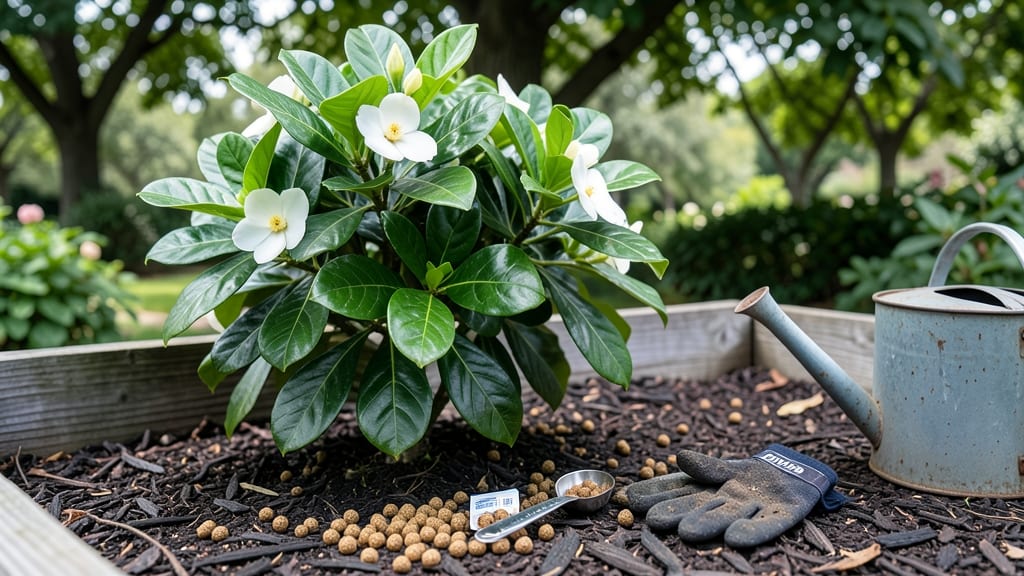
To fertilise gardenias at the right time means catching them when they’re hungry—but most gardeners wait too late, missing the two best windows for lush blooms and dark green leaves.
Picture this: your gardenia 🌸 sits there, stubbornly refusing to bloom, while your neighbor’s shrub is covered in fragrant white flowers. The difference? Timing. Fertilising too early stunts growth; too late, and you’ll end up with leaf burn or sparse blooms.
I’ve seen both mistakes—and the fix is simpler than you think.
In USDA Zone 6, the sweet spot is early spring (April) when new growth appears, and again after flowering (late summer). But here’s the catch: tropical climates need a different rhythm, and over-fertilising in summer can actually backfire.
Below, I’ll break down the exact schedule, plus how to spot when your plant is begging for nutrients—or when to hold off.
You’ll discover the 3 signs your gardenia needs feeding (yellowing leaves aren’t one of them), the best fertiliser types for acid-loving plants, and how to adjust for containers vs. in-ground shrubs. No more guesswork—just fragrant, thriving gardenias all season long.
Optimal fertilisation schedule for gardenias by season: spring vs post-bloom
Timing your gardenia fertilisation is everything—get it wrong, and you’ll end up with leaf burn, sparse blooms, or stunted growth. These acid-loving shrubs thrive when fed at two critical windows: early spring to kickstart growth and late summer/fall to prepare for next year’s blooms.
The key? Understanding why these seasons matter and how to adjust for container vs in-ground plants.
In early spring, gardenias wake from dormancy and need nutrients to fuel new root development and leaf production. Skipping this step means weaker stems and fewer flowers later. Meanwhile, post-bloom fertilisation (late summer/fall) replenishes nutrients lost during flowering, setting the stage for next season’s fragrant blooms.
But timing isn’t one-size-fits-all—container plants dry out faster and need more frequent, lighter feeds.
Here’s the breakdown you need to avoid common mistakes like over-fertilising in summer or missing the spring window entirely. Use this as your seasonal fertilisation guide to keep your gardenias thriving year-round.
| Season | Fertilisation Window | Purpose | Frequency | Fertiliser Type |
|---|---|---|---|---|
| Early Spring | April-May | Stimulate root growth | Every 6 weeks | Slow-release acid-loving |
| Late Summer | August-September | Replenish nutrients post-bloom | Every 8 weeks | Balanced liquid feed |
| Fall/Winter | October-March | Dormancy period | None | N/A |
| Container Adjustments | All seasons | Faster nutrient depletion | Every 4-5 weeks | Water-soluble acid blend |
Your early spring fertilisation (April-May) should focus on root development. Apply a slow-release acid-loving fertiliser (like 8-3-9 NPK) when you see new growth emerge. For in-ground plants, spread granules around the drip line and water deeply.
Container gardenias? Use a water-soluble acid blend every 4-5 weeks to prevent nutrient washout.
After your gardenias finish blooming in late summer (August-September), switch to a balanced liquid feed (10-10-10 NPK). This post-bloom fertilisation replenishes nutrients lost during flowering and encourages next year’s buds. Stop feeding by October to let the plant prepare for dormancy—over-fertilising now can lead to leaf burn before winter.
Container plants are trickier because they dry out faster and leach nutrients quicker. If your gardenia is in a pot, fertilise every 4-5 weeks from spring to fall, using half the recommended dose to avoid salt buildup.
Always water thoroughly after applying fertiliser to prevent root burn. Pro tip: Mix composted pine bark into the soil annually for a slow-release acid boost.
One of the biggest mistakes I see? Gardeners feeding their gardenias in winter. During dormancy (October-March), your plant isn’t actively growing, so fertiliser just sits in the soil, risking root damage or leaf burn.
Instead, focus on mulching with pine straw to maintain soil acidity naturally. Winter is also the time to prune dead blooms—this redirects energy to root health for spring.
For tropical climates, extend your fertilisation window slightly into early fall (up to October), but always stop 6-8 weeks before frost. In cooler zones (USDA 6-7), aim to finish by mid-September.
If you’re unsure about your zone, observe your gardenia’s growth: yellow leaves or sparse blooms signal it’s time to fertilise again.
Here’s a quick seasonal checklist to keep on hand:
- Spring (April-May): Feed with acid-loving fertiliser
- Summer (June-July): Light feed after blooming
- Fall (August-Sept): Final feed, then stop
- Winter (Oct-March): No fertiliser—just mulch
Remember, less is more with gardenias. Over-fertilising causes leaf
Signs your gardenias need fertiliser (and when to avoid it)
Your gardenia 🌸 might be silently screaming for nutrients—or begging you to stop feeding it. The key is learning the difference between nutrient hunger and over-fertilisation stress. I’ve seen gardeners dump fertiliser on their plants in summer, only to watch the leaves crisp up like toast.
Don’t make that mistake! The secret lies in understanding your plant’s signals.
Start by checking the leaf color. Healthy gardenia leaves are deep, glossy green. If you notice yellowing between veins (chlorosis), that’s often a sign of iron deficiency—common in alkaline soils.
But here’s the catch: if the yellowing is paired with brown leaf tips, you’ve likely overdone it with salt-based fertilisers. Both look similar at first glance, but the fix couldn’t be more different.
⚠️ callout warning ⚠️
- Feed in spring (April-May) when new growth appears
- Light feed post-bloom (late summer) to prep for next year
- Skip fertiliser from October through March (dormant season)
- Never fertilise when leaves show burn or wilting
💡 Pro Tip: Container gardenias need twice the frequency—but half the dose!
Let’s talk bloom patterns. A healthy gardenia should produce clusters of fragrant white flowers in late spring to early summer. If you’re seeing fewer blooms or buds dropping off, your plant might be nutrient-deficient.
But if your gardenia is loaded with buds that never open, it’s often a sign of too much nitrogen—the plant is prioritising leaves over flowers. The solution? Switch to a low-nitrogen, high-phosphorus fertiliser for 2-3 feedings.
Don’t ignore the stem and root system either. If you gently scratch the bark and see thin, brittle stems, your gardenia is starving. On the flip side, if the soil around the roots looks crusty or white (a sign of salt buildup), you’ve been over-fertilising.
This is especially common in container plants, where salts accumulate faster. Flush the soil with water to cleanse it before feeding again.
Here’s my month-by-month fertiliser-free checklist for USDA Zone 6 gardeners. From October through March, your gardenia enters dormancy—no fertiliser needed. Even in summer months, cut back to light feedings every 8 weeks to avoid stress.
The goal? Mimic nature’s rhythm: feed when growth is active, rest when it’s not.
Next time you’re tempted to fertilise, ask yourself: Is my gardenia growing? If the answer is no, hold off. If the leaves are vibrant but blooms are sparse, it’s time for a phosphorus-rich boost.
And remember—organic options like composted pine needles or fish emulsion are gentler than synthetic fertilisers. Your gardenia’s fragrance is worth the patience! 🌿