
Fertilization
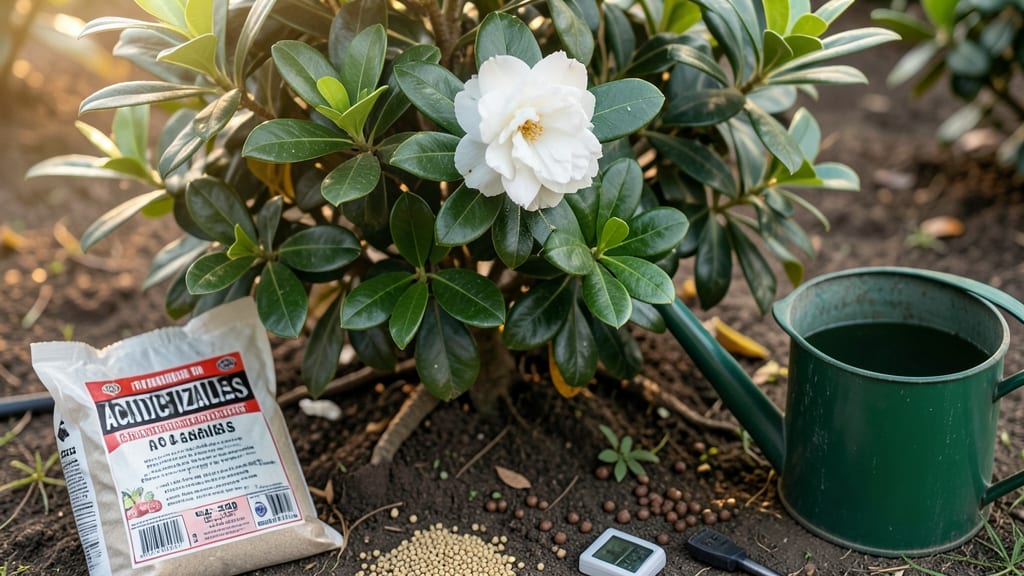
To fertilize gardenias in Florida, time it with their natural growth cycles—spring and fall—when they’re hungry for nutrients but not stressed by heat.
Florida’s humid climate and long growing season mean gardenias thrive—but only if you fertilize them at the right times. Miss the window, and you’ll end up with weak blooms or stunted growth. Here’s the exact schedule Florida gardeners swear by for lush, fragrant blooms year after year.
Think of spring as your prime feeding window (March–April) when gardenias 🌸 push new growth and prepare for blooming season. A balanced, acid-loving fertilizer (like 6-6-6) applied every 4–6 weeks keeps them thriving without burning their roots.
Fall is all about prepping for winter—a light feeding in September–October encourages root strength for the cooler months. Skip fertilizing in summer’s brutal heat, and you’ll avoid stressing your plants just when they need rest.
Florida gardenia fertilizing schedule: spring feeding for peak blooms
Florida’s humid subtropical climate creates perfect conditions for gardenias—but only if you time your fertilizing correctly. Unlike northern climates, Florida’s two growing peaks (spring and fall) demand precise feeding schedules.
The March–April window is critical for blooming, while September–October preps roots for winter. Get this wrong, and you’ll see fewer flowers or leaf burn.
Gardenias thrive in acidic soil (pH 5.0–6.0), but Florida’s sandy soils often lack organic matter. Before fertilizing, I always test soil pH and amend with peat moss or sulfur if needed.
Coastal areas may need more frequent feeding due to nutrient-leaching rains, while inland zones benefit from slow-release fertilizers to prevent runoff.
| Season | Fertilizing Window | Frequency | Fertilizer Type | Soil Prep |
|---|---|---|---|---|
| Spring | March–April | Every 4 weeks | 6-6-6 or 8-3-9 (acid-loving) | Amend with peat moss |
| Summer | May–August | None (dormant) | — | Water deeply |
| Fall | September–October | Light feed | Slow-release granules | Add compost |
| Winter | November–February | None | — | Mulch heavily |
For spring blooming, start fertilizing in early March with a balanced 6-6-6 formula. I apply 1 tablespoon per plant every 4 weeks until mid-April. In coastal Florida, where humidity is higher, I switch to slow-release granules to avoid nutrient burn from frequent rain.
Humidity plays a trick—it speeds up nutrient absorption but also causes fertilizer salts to build up faster. After feeding, I always flush soil with water to prevent root damage. Inland gardenias, however, can handle liquid fertilizers more easily since they dry out quicker.
Watch for over-fertilization signs: yellowing leaves, leaf drop, or white crust on soil. If you see these, stop feeding immediately and water thoroughly. Under-fertilized gardenias show small leaves, few blooms, or stunted growth—a clear signal to increase feeding frequency.
Organic options like fish emulsion or compost tea work well in Florida’s heat. I mix these with synthetic fertilizers for a balanced approach. For potted gardenias, use half the dose since roots are confined and absorb nutrients faster.
In North Florida (Zone 8b–9a), where winters are slightly cooler, I delay spring feeding until mid-March. Southern Florida gardeners (Zone 10a+) can start as early as February, but avoid fertilizing during summer’s peak heat (June–July) to prevent stress.
Pro tip: Prune lightly after blooming (May–June) to encourage new growth for next year’s flowers. Pair this with a light fall feeding in September to strengthen roots before winter. This two-step approach ensures year-round blooms in Florida’s climate.
Remember, gardenias are heavy feeders but sensitive to salt. Always water before fertilizing to dilute soil salts. With this schedule, your gardenias will reward you with fragrant blooms from spring through summer.
How to choose the right fertilizer for Florida gardenias (and what to avoid)
Florida gardenias crave the right nutrients to produce those fragrant blooms we all love. But with Florida’s sandy, acidic soil, choosing the wrong fertilizer can burn roots or cause nutrient imbalances.
The key lies in selecting a formula with an NPK ratio of 3-4-3 or 6-6-6, designed for acid-loving plants like camellias or azaleas. These ratios balance nitrogen for foliage, phosphorus for blooms, and potassium for root strength—perfect for gardenias.
Organic options like fish emulsion or compost tea are my go-to for Florida gardenias. They gently feed roots while improving soil structure in sandy soils. For faster results, synthetic acidifying fertilizers (like Miracid) work well, but they require careful application to avoid salt buildup.
Always water thoroughly after fertilizing to prevent root damage.
🌸
Slow-Release Fertilizers vs. Liquid Fertilizers for Gardenias
Slow-Release
- Pros: Feeds gradually, reduces burn risk, less frequent application
- Cons: Expensive upfront, may not adjust to seasonal needs
Best for: Established gardenias needing steady nutrition.
Liquid Fertilizers
- Pros: Fast absorption, easy to adjust dosage, organic options available
- Cons: Requires frequent applications, higher risk of over-fertilizing
Best for: New plants or revitalizing blooms quickly.
Florida’s sandy soil drains nutrients quickly, so I always flush the soil after fertilizing to prevent salt buildup. Water deeply for 10–15 minutes to move excess salts away from roots.
In coastal areas, where salt spray is an issue, use rainwater or distilled water for flushing. Avoid tap water with high mineral content, as it can further stress your gardenias.
Avoid fertilizers with high nitrogen content (like lawn fertilizers) unless you want leafy growth at the expense of blooms. Gardenias prioritize flowers, so a balanced or phosphorus-heavy formula (like 6-12-6) is ideal.
For organic gardeners, worm castings or pine bark fines add acidity naturally while improving soil health over time.
💧 For potted gardenias, I halve the fertilizer dose to prevent root burn. Container soil dries out faster, so nutrients concentrate more quickly. Always check the soil’s moisture level before fertilizing—dry soil means roots can’t absorb nutrients efficiently.
In Florida’s heat, this is especially critical during summer months when evaporation rates skyrocket.
Pro tip: Mix a 1-inch layer of mulch (like pine straw) around your gardenias to retain moisture and slowly release nutrients. This mimics their natural tropical understory habitat and reduces the need for frequent fertilizing. Just keep mulch 2–3 inches away from the trunk to prevent rot.