
Fertilization
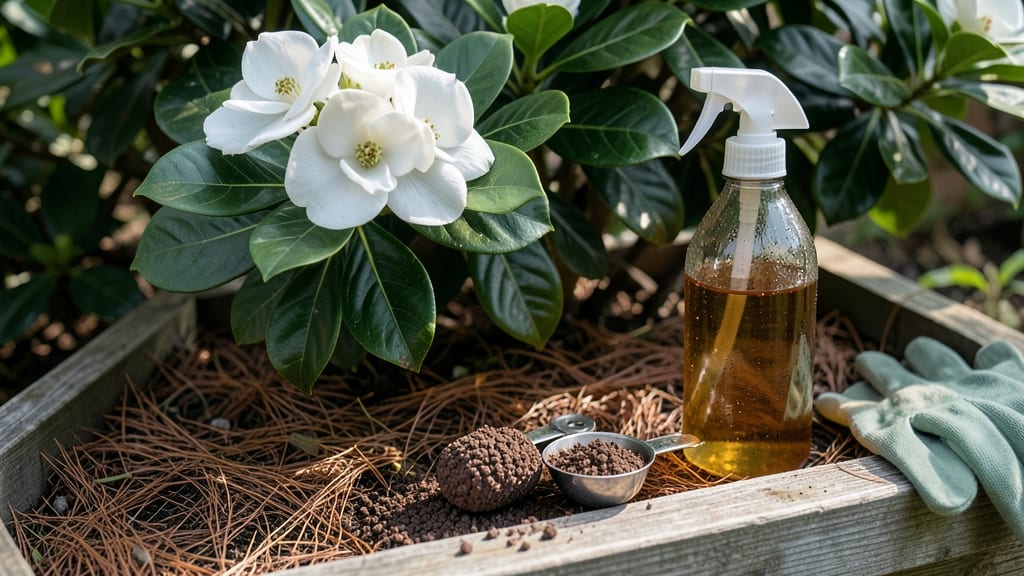
Fertilizing gardenias in Georgia at the right times—early spring and mid-summer—is the secret to those fragrant 🌸 blooms you’ve been dreaming of.
Picture this: You’ve just planted your gardenia, and you’re eager to see it thrive, but you’re not sure when to start feeding it. Too early, and you risk burning the roots; too late, and you’ll miss the growing season entirely.
Georgia’s heat and humidity make timing even more critical—one wrong move, and your plant could struggle to bloom.
Most gardeners in 7b-8b zones focus on two key feeding windows: the first in early spring to kickstart growth and the second in mid-summer to support flowering.
But here’s the catch: the type of fertilizer and how you apply it can make all the difference in avoiding common mistakes like over-fertilizing or choosing the wrong pH balance.
In this guide, I’ll walk you through the exact schedule, the best fertilizers for Georgia’s climate, and how to adjust for drought or extreme heat—so you can enjoy lush, fragrant gardenias all season long.
Georgia gardenia fertilizing schedule: best times for early spring & mid-summer
Georgia’s humid subtropical climate creates the perfect conditions for gardenias—but it also demands a precise fertilizing schedule to prevent stress. Unlike many plants, gardenias thrive on two key feeding windows: early spring and mid-summer.
These timings align with their natural growth cycles, ensuring vibrant blooms and robust foliage. Coastal areas like Savannah may need adjustments due to higher humidity, while inland regions like Athens can push the schedule slightly later.
Timing your fertilizer applications correctly is critical. Applying too early can result in nutrient burn before the plant wakes from dormancy, while waiting too long may leave your gardenia starved of essential nutrients during peak blooming season.
The two-phase approach—early spring and mid-summer—balances growth and flowering perfectly for Georgia’s USDA zones 7b-8b. Let’s break down the exact schedule, including soil prep and regional tweaks.
🌸
| Fertilizing Phase | Best Time | Fertilizer Type | Amount | Regional Adjustments |
|---|---|---|---|---|
| Early Spring | Late March - Early April | Slow-release (10-10-10) or organic (fish emulsion) | 1 tbsp per plant | Coastal: Wait until April 1st; Inland: March 20th |
| Mid-Summer | Late July - Early August | Balanced (8-3-9) with iron | 2 tbsp per plant (if growth is slow) | Coastal: Avoid if drought-stressed; Inland: Apply if blooms are sparse |
| Soil Prep (Before Feeding) | February (Coastal) / March (Inland) | Compost + sulfur (to lower pH) | 1 cup compost + 1 tbsp sulfur per plant | Test pH first (ideal: 5.0-6.0) |
| Post-Feeding Care | After each feeding | Deep watering + mulch | 1-1.5 gallons water + 2" mulch | Coastal: Mulch thicker (3") to retain moisture |
Your early spring feeding (late March–early April) kickstarts growth after winter dormancy. Choose a slow-release fertilizer like 10-10-10 or an organic option such as fish emulsion to provide steady nutrients without overwhelming the plant.
For coastal Georgia, delay until April 1st to avoid nutrient burn from sudden warmth, while inland areas can start as early as March 20th when soil temperatures reach 60°F.
Mid-summer feeding (late July–early August) supports bloom production and replenishes nutrients lost during rapid growth. Opt for a balanced fertilizer with iron, like 8-3-9, to prevent yellowing leaves—a common sign of iron deficiency in acidic soils.
If your gardenia is already blooming heavily, skip this step to avoid stress. In drought-prone inland areas, monitor soil moisture closely before fertilizing.
Before applying fertilizer, prepare your soil in February (coastal) or March (inland) by mixing in compost and sulfur to maintain the ideal acidic pH of 5.0–6.0. Use a soil test kit to check pH—gardenias cannot absorb nutrients if the soil is too alkaline.
For coastal gardens, where humidity is higher, apply a thicker layer of mulch (3 inches) to retain moisture and regulate soil temperature.
After fertilizing, deep watering is non-negotiable. Gardenias need <
How to choose the right fertilizer for Georgia gardenias (acid-loving plant guide)
Georgia gardenias thrive when fed with the right nutrients, but choosing the wrong fertilizer can lead to yellow leaves or weak blooms. These acid-loving plants need a low-pH environment (5.0–6.0) and fertilizers rich in iron and micronutrients.
Synthetic blends like 10-10-10 or 8-3-9 are popular, but organic options like fish emulsion or composted pine needles work too—each has pros and cons for Georgia’s climate.
First, test your soil’s pH using a home test kit or send a sample to your local extension office. Gardenias hate alkaline soil, so if your pH is above 6.0, amend it with sulfur or peat moss before fertilizing.
Even the best fertilizer won’t work if the soil blocks nutrients due to high pH.
Organic vs. Synthetic Fertilizers for Gardenias
Organic Fertilizers
- ✅ Improves soil over time
- ✅ Slow-release reduces burn risk
- ✅ Supports microbes in acidic soil
- ❌ Slower results (4-6 weeks)
- ❌ May attract pests if overused
Synthetic Fertilizers
- ✅ Fast-acting (results in 2-3 weeks)
- ✅ Precise NPK ratios for blooms
- ✅ Less messy to apply
- ❌ Can burn roots if overapplied
- ❌ No soil benefits long-term
Pro Tip: Mix both types! Use synthetic in spring for quick growth and organic in summer to feed roots slowly.
For organic options, try composted pine bark or cottonseed meal—both acidify soil while feeding. If you prefer synthetics, look for acid-loving plant formulas with added iron chelate to prevent yellowing.
Always follow the label’s dosage, but halve it if your gardenia shows signs of stress like brown leaf tips.
Micronutrients like magnesium, zinc, and manganese are just as critical as nitrogen, phosphorus, and potassium. A balanced 10-10-10 fertilizer with micronutrients ensures your gardenia gets everything it needs without overloading on one nutrient.
For example, too much nitrogen leads to lush leaves but fewer blooms, while too little phosphorus weakens roots.
After fertilizing, water deeply to wash nutrients into the soil and reduce burn risk. Avoid fertilizing during Georgia’s peak summer heat (July–August), as the plant’s roots may struggle to absorb nutrients. Instead, focus on watering and pruning to keep your gardenia healthy until cooler months return.
Finally, monitor your gardenia’s response. If new growth is dark green and vigorous, you’re on the right track. If leaves turn yellow between veins, it’s a sign of iron deficiency—time to amend with iron sulfate or chelated iron.
With the right fertilizer and pH balance, your gardenia will reward you with fragrant blooms all season long.