
Shrubs
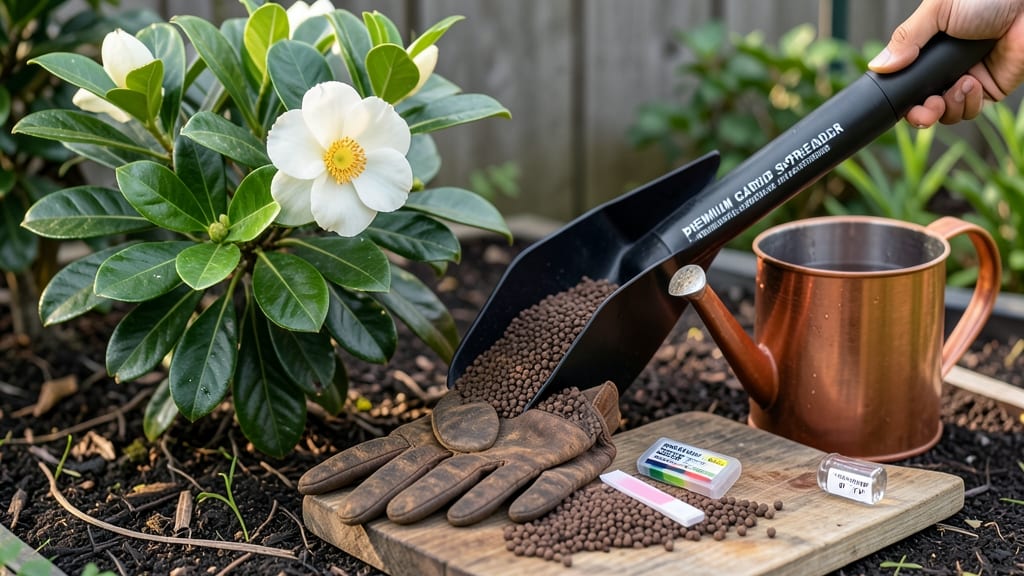
To fertilize gardenias at the right time means unlocking those fragrant, glossy blooms you’ve been dreaming of—spring and early summer are your golden windows.
Picture this: you’ve waited all winter, and now your gardenia is sending out fresh green leaves, ready to burst into flower. But if you feed it too early or too late, you’ll end up with stunted growth or—worse—no blooms at all.
The timing isn’t just about when; it’s about how your plant’s natural cycle aligns with feeding.
Most gardeners make one of two mistakes: fertilizing too aggressively in fall (which encourages tender new growth before winter) or skipping spring entirely (when the plant is hungry for nutrients to fuel blooms).
The key is a balanced approach—light feeds in early spring, followed by regular feeding every 4-6 weeks until early summer.
In this guide, I’ll walk you through the exact schedule, the best fertilizers for gardenias, and how to tell if your plant is begging for more (or if you’ve overdone it). By the end, your gardenia will be the showstopper of the neighborhood—no more sad, sparse blooms.
Best times to fertilize gardenias for maximum blooms
Fertilizing your gardenias at the right time is the difference between vibrant blooms and sparse foliage. These acid-loving shrubs thrive when fed during their active growth phases, but timing matters more than you might think.
Too early, and you risk burning tender roots; too late, and you miss the bloom-boosting window. Let’s break down the ideal fertilization schedule to keep your gardenias flourishing year after year.
Most gardeners focus on spring and fall as the critical seasons for feeding gardenias. These periods align with the plant’s natural growth cycles. In spring, gardenias wake from dormancy and need nutrients to fuel new leaves and buds. In fall, a light feeding can prepare them for winter.
However, climate plays a huge role—gardenias in warmer zones (like USDA Zone 8+) may need adjustments, while those in cooler climates (Zone 7 and below) follow a stricter schedule.
Spring fertilization is non-negotiable for gardenias. Aim to feed them 4-6 weeks after the last frost, when you notice fresh green growth emerging. This is when your plant is ready to absorb nutrients efficiently and direct energy toward flower buds. In warmer climates, you might start as early as March, while cooler regions should wait until April or May.
Here’s a quick reference for your fertilization timeline, tailored to both warm and cool climates:
In spring, I recommend using a balanced acid-loving fertilizer (like a 6-6-6 or 8-3-9 blend) to support both foliage and flowers. Apply it in the early morning when the soil is moist but not soggy.
This timing ensures the nutrients are absorbed quickly and reduces the risk of root burn. For container gardenias, cut the dose in half since they have limited root space.
By late summer, gardenias start preparing for dormancy, so it’s time to taper off fertilization. In cooler climates, stop feeding by August to avoid encouraging tender new growth before frost.
In warmer zones, you can extend light feedings into early September, but always pause by October to let the plant harden off for winter.
One common mistake is fertilizing in fall or winter, which can lead to weak, leggy growth that won’t survive cold snaps. Instead, focus on mulching with pine needles or compost to slowly release nutrients and insulate roots.
This mimics the plant’s natural dormancy cycle and sets the stage for next year’s blooms.
For organic gardeners, consider using composted pine bark or fish emulsion in spring, followed by a slow-release organic fertilizer like cottonseed meal in early summer.
These options provide steady nutrients without the risk of chemical burns. Always water thoroughly after applying fertilizer to activate the granules and prevent salt buildup.
Pro tip: If your gardenias skip blooming in spring, it’s often a sign of nutrient deficiency or poor timing. Adjust your schedule to start fertilizing earlier in spring and monitor for new growth within 2–3 weeks.
With the right timing, your gardenias will reward you with fragrant, white blooms from summer through fall.
🌸
How to choose the right fertilizer for gardenias
Gardenias thrive when fed with the right nutrients, but not all fertilizers are created equal. These acid-loving shrubs demand specific conditions—like a pH between 5.0 and 6.0—and a fertilizer that won’t raise the soil’s alkalinity.
The wrong choice can lead to yellow leaves, poor blooms, or even plant decline. My secret? Stick to fertilizers formulated for acid-loving plants or use organic amendments like peat moss or pine bark to maintain that crucial acidity.
When selecting a fertilizer, focus on NPK ratios (Nitrogen-Phosphorus-Potassium) that support blooming. Gardenias need a balanced approach: too much nitrogen leads to lush foliage but fewer flowers, while too much phosphorus can cause root burn.
Look for a ratio like 6-6-6 or 8-3-9, which provides even growth and flowering support without overloading the plant.
Here’s the breakdown of when to use organic vs. synthetic fertilizers—and which mistakes to avoid:
Organic vs. Synthetic Fertilizers for Gardenias
Organic Fertilizers
- ✅ Slow-release nutrients improve soil over time
- ✅ Safe for acid-loving plants (e.g., compost, fish emulsion, bone meal)
- ✅ Improves soil structure and microbial life
Synthetic Fertilizers
- ✅ Fast-acting for quick nutrient boosts
- ✅ Precise NPK ratios (e.g., 6-6-6 or 8-3-9)
- ✅ Easy to apply (granular or liquid forms)
Avoid These Mistakes
- ❌ Over-fertilizing causes leaf burn or root damage
- ❌ Using high-pH fertilizers (e.g., lime-based) that raise soil pH
- ❌ Skipping soil tests before fertilizing (gardenias hate alkaline soil)
Best Practices
- ✅ Test soil pH before fertilizing (aim for 5.0-6.0)
- ✅ Apply fertilizer in early morning to avoid leaf burn
- ✅ Water deeply after feeding to distribute nutrients
For organic options, I recommend fish emulsion (high in nitrogen) in early spring to kickstart growth, followed by bone meal (rich in phosphorus) to encourage blooming. Synthetic fertilizers like Miracle-Gro Acid-Loving Plant Food or Jobe’s Azalea, Camellia & Rhododendron Food are my go-tos for quick results.
Always follow the label’s instructions—gardenias are sensitive to salt buildup from over-fertilizing.
Pro tip: If your gardenia’s leaves turn yellow with green veins, it’s a classic sign of iron deficiency (common in alkaline soils).
In this case, use a chelated iron supplement like Ironite to correct the issue without raising pH. And remember, less is more—gardenias reward patience with fragrant blooms that last for months.
Once you’ve chosen the right fertilizer, apply it every 4-6 weeks during the growing season (spring to early summer). Skip fertilizing in fall and winter—your gardenia will thank you with healthier roots and bigger blooms next season.