
Picking
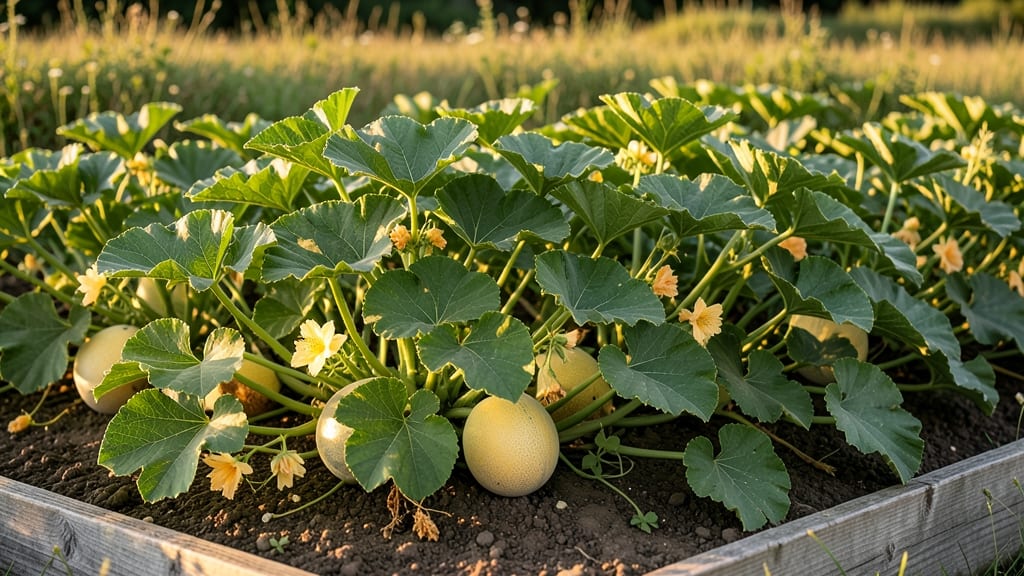
Harvest cantaloupe from your garden when the fruit shows three key ripeness signals—color, scent, and stem separation—because timing makes the difference between sweet perfection and bland disappointment.
Picture this: you’ve nurtured your 🌱 cantaloupe all summer, only to slice into a mealy, underripe melon—or worse, one that’s overripe and mushy. Missing the harvest window means wasted effort, and no gardener wants that.
Below, I’ll walk you through the exact visual cues and physical tests to nail the perfect harvest, so you can enjoy cantaloupe at its sweetest, juiciest peak—no guesswork required.
From color changes to the "slip test," you’ll learn how to read your plants like a pro, plus how heat waves or cool snaps can shift your timeline. Ready to turn your garden into a cantaloupe goldmine?


3 Visual signs your cantaloupe is perfectly ripe for harvest
There's nothing worse than biting into a cantaloupe that's either underripe and bland or overripe and mushy. The key to garden-fresh perfection lies in recognizing these three foolproof visual cues.
I've learned through years of growing that mastering these signs will transform your harvest from hit-or-miss to consistently delicious.
First-time cantaloupe growers often make the mistake of harvesting based on days after planting alone. But environmental factors like temperature and sunlight can drastically alter maturity timelines.
That's why focusing on these visual maturity indicators gives you a reliable, science-backed method to determine when your melons are truly ready to pick.
🌱 Numbered Highlights: Cantaloupe Ripeness Checklist
-
1. Color Transformation
Look for a deep cream-colored underside and solid tan or beige rind. The net pattern should be fully developed with no green patches remaining. Pro tip: The color change happens fastest in full sun. -
2. Stem Separation Test
Gently twist the main vine stem where it meets the melon. If it separates cleanly with slight resistance, that's your cue to harvest. Warning: Don't pull too hard or you might damage the vine. -
3. Sweet Aroma at the Stem
Bring the stem end to your nose - ripe cantaloupes emit a strong, sweet, musky fragrance. If you smell nothing or just a faint vegetable scent, wait 2-3 more days. This is the most reliable indicator of sugar development.
Let me share what happens when you ignore these visual cues. I once harvested a cantaloupe that looked perfect by color but failed the stem test - it was rock-hard inside with minimal flavor.
On the flip side, I've left melons on the vine too long because they passed the color test but smelled off - they became overly soft and seedy within 24 hours.
The color change is particularly important because it indicates the melon has developed its full sugar content. I pay special attention to the underside where the melon rested on the ground - this area should be a pale cream color when ripe.
If it's still green or white, your cantaloupe needs more time on the vine.
Don't be fooled by size alone - some varieties like 'Athena' cantaloupe stay small but become intensely sweet when ripe. I've seen 4-inch diameter cantaloupes that were perfectly ripe alongside 8-inch giants that were still hard. Always combine size with the other two indicators for accuracy.
Here's a pro move I learned from my local extension agent: Harvest in the morning when the melons are cool. The scent will be strongest and the color more vibrant than in the afternoon heat.
I've found this timing makes the difference between a perfectly sweet cantaloupe and one that's just so-so.
One common mistake I see is harvesting based on vine yellowing. While the vine does turn yellow as the plant matures, this happens after the melons are ripe. By then, you risk missing the peak sweetness window which is typically 2-3 days before vine yellowing begins.
Remember that cantaloupe varieties differ in their ideal color. 'Hale's Best' cantaloupe, for example, develops a darker tan rind compared to the lighter beige of 'Ambrosia'. Always check your seed packet for variety-specific color clues and combine them with the other two indicators for best results.
When all three signs align - proper color, stem separation, and sweet aroma - you can be confident you're harvesting at peak ripeness. This combination ensures you'll enjoy maximum sweetness, texture, and flavor from your homegrown cantaloupes all season long.
How to test cantaloupe ripeness beyond visual cues
When visual cues like color changes or stem separation aren’t clear-cut, science-backed tests reveal the truth about your cantaloupe’s ripeness. I’ve used these methods for years to avoid underripe disappointment or overripe mushiness, and they never fail.
The key is understanding how internal sugar development and cell structure change as melons mature.
These tests work especially well in shady patches of your garden or during unpredictable weather, when color and scent might not develop as expected. Even experienced gardeners rely on them—because sometimes, you just need to listen to the melon itself.
Let’s dive into the three foolproof techniques that’ll have you harvesting at peak sweetness every time.
⚠️ Cantaloupe Harvest Warning ⚠️ Harvest too early, and you’ll get a watery, seedy mess with bitter undertones. Wait too long, and the fruit turns overripe, mushy with fermented flavors.
The 3-day window between perfect ripeness and spoilage is tight—use these tests to nail the timing without guessing. Cut the stem at the right moment, and you’ll enjoy cantaloupe that’s bursting with natural sweetness and creamy texture. Miss it, and you’re left with wasted effort and disappointing fruit. 🌱
The slip test is my go-to method because it directly measures internal sugar concentration. Gently press your thumb into the blossom end (the flat side) of the cantaloupe.
If the skin yields slightly and your thumb leaves a dent that stays for a few seconds, the melon is ripe. This happens because cell walls soften as sugars develop.
Pro tip: A ripe cantaloupe should feel firm but not rock-hard—think of it like pressing a ripe peach versus an unripe apple.
For the thump test, hold the cantaloupe in one hand and tap it lightly with your knuckles. A ripe cantaloupe will sound hollow or slightly muffled, like knocking on a wooden door. If it sounds dull or solid, it’s underripe.
Overripe melons often sound deafeningly hollow—almost like a drum. This test works because air pockets form inside as the fruit matures, changing its acoustic properties. I’ve used this trick in hot summers when melons ripen faster than expected.
Next, try the vine separation technique. Gently twist the cantaloupe at its stem while holding the vine. If the stem separates cleanly with a slight popping sound, it’s ready to harvest. The stem should come off without resistance, leaving a small circular scar on the melon.
If the stem resists or tears, the fruit needs more time. This method is especially useful for heirloom varieties, which often have thicker stems that don’t separate as easily as commercial types.
Combine these tests for 100% accuracy. For example, if the slip test shows ripeness but the vine doesn’t separate, wait another day. Conversely, if the thump test sounds perfect but the melon feels too firm, it’s not quite ready.
These methods work together like a gardeners’ ripeness trio, ensuring you never miss the sweet spot. Once you’ve confirmed ripeness, harvest in the morning when temperatures are coolest to preserve flavor and texture. 🌻