
Picking
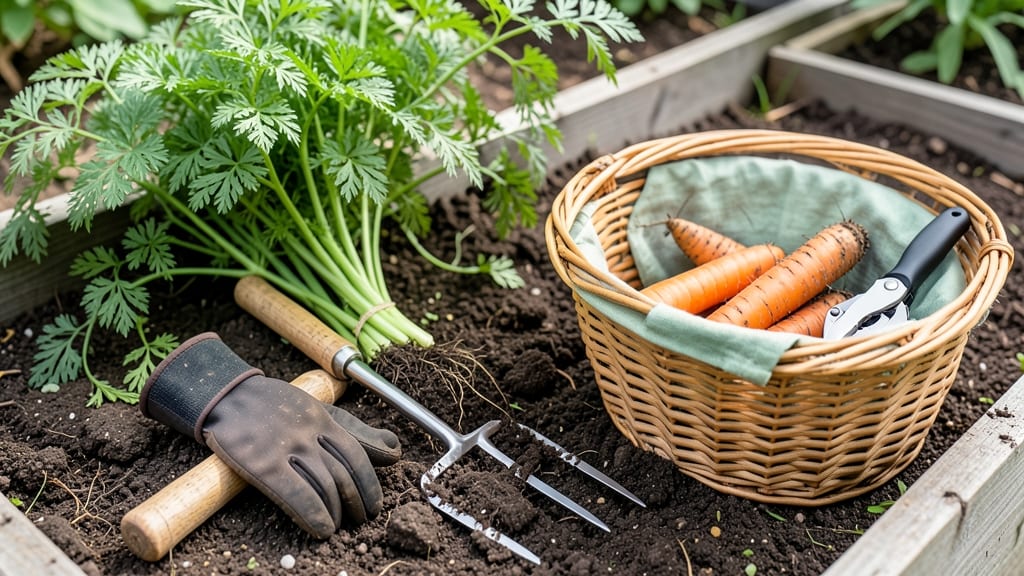
Harvesting carrots from your garden at the right time ensures they’re sweet, crisp, and free of that dreaded woody texture you’ve worked so hard to avoid.
Picture this: you’ve nurtured your 🥕 plants all season, and now you’re staring at a patch of green tops wondering, Is it time? Miss the window, and you’re left with tough roots that taste like regret.
But get it just right, and you’ll pull out perfect, tender carrots that taste like summer in every bite.
Timing isn’t just about days to maturity—it’s about size, color, and even the tug test. A carrot that’s too small lacks flavor, while one left too long turns fibrous and bitter.
Below, I’ll show you the exact cues to watch for, from leaf size to soil resistance, so you never guess again.
Ready to master the art of harvesting? You’ll learn how to spot the ideal moment, avoid common mistakes, and keep your carrots at peak freshness—whether you’re in zone 6a or beyond.


How to use the tug test: the ultimate carrot harvesting guide
There's nothing worse than pulling a carrot from the soil only to find it's still tiny or—even worse—woody and tough. The tug test is my foolproof method for determining when your carrots are perfectly ripe and ready to eat.
This simple technique combines visual cues with a hands-on check to ensure you harvest at peak sweetness and crunch.
Carrots mature at different rates depending on the variety and growing conditions. Short-season types like 'Paris Market' may be ready in just 50-60 days, while longer varieties like 'Danvers' need 70-85 days.
The tug test works for all types, but understanding these timelines helps you anticipate when to start checking.
Before you grab your gardening gloves, here's what you need to know: carrot maturity isn't just about size—it's about the combination of leaf growth, root firmness, and soil resistance. Skipping any of these steps can lead to underripe or overripe carrots, both of which ruin the flavor.
For short-season varieties like 'Early Nantes,' I recommend checking every 7-10 days starting at 45 days after planting. These carrots mature quickly and can become woody if left too long. Longer varieties like 'Chantenay' can wait until 80-85 days, but don't push it—they'll lose sweetness if overripe.
One common mistake I see is waiting until the leaves die back before harvesting. By then, the carrot has already started converting sugars into starch, making it tough and bitter. The tug test helps you catch them at the perfect moment—when they're still crisp and sweet.
Pro tip: Harvest in the morning when temperatures are cool. This preserves the carrot's natural sugars and crisp texture. Store them in the fridge for up to 3 weeks, but eat them fresh for the best flavor!
If you're growing carrots in containers or raised beds, the tug test works the same way, but you may need to harvest slightly earlier due to limited root space. Always choose a spot with loose, well-draining soil to avoid forked or misshapen carrots.
Remember, the tug test isn't just about size—it's about texture and flavor. A perfectly harvested carrot should snap when bent and have a vibrant orange color. If you follow these steps, you'll never waste another underripe or overripe carrot again!
Common mistakes that ruin carrot flavor (and how to avoid them)
Harvesting carrots at the wrong time can turn your sweet, crisp dreams into a woody or bitter disappointment. I’ve seen it happen too many times—gardeners pulling carrots too early or leaving them in the ground too long, both of which ruin the flavor.
The key is balance: harvest too soon, and you’ll get tiny, underdeveloped roots; wait too long, and they’ll toughen up like old boot leather.
Even small environmental stressors like drought or overcrowding can throw off your carrots’ natural sweetness. These factors force the plant to prioritize survival over flavor development, leaving you with roots that taste more like disappointment than summer harvests.
Let’s fix that by addressing the most common mistakes—and how to correct them before it’s too late.
⚠️ When to Harvest Carrots: The Critical Window
Harvest carrots when they reach 1-3 inches in diameter (or your desired length) and the top leaves are 4-6 inches tall. Use the tug test: gently pull a carrot—if it resists slightly but pops free, it’s ready! Waiting past 70-85 days risks woody texture, while harvesting too early means underdeveloped flavor.
One of the biggest mistakes is overharvesting all at once. I’ve seen gardeners pull every carrot from the patch in one go, only to realize too late that they’ve left nothing for future harvests.
Instead, practice successive harvesting: pull a few carrots every 2-3 days once they reach maturity. This keeps your plants producing new roots while ensuring you always have fresh, tender carrots on hand.
On the flip side, underharvesting can be just as damaging. Leaving carrots in the ground past their prime causes them to split or develop a hard, fibrous core. This happens when roots outgrow their space or face drought stress.
To avoid this, thin seedlings early to give each plant 2-3 inches of space and monitor soil moisture—consistent watering is key to preventing tough, bitter roots.
Environmental factors like extreme heat or poor soil drainage can also ruin carrot flavor. When temperatures soar above 85°F, carrots often develop a hollow core or bitter taste. To combat this, provide afternoon shade during peak summer months and mulch heavily to retain moisture.
If your soil drains poorly, amending it with compost or sand ensures roots grow straight and sweet, not misshapen and tough.
Finally, don’t ignore the tug test—it’s your best friend for perfect carrots. If a carrot pulls out easily with minimal resistance, it’s ready. If it snaps or feels spongy, it’s not there yet.
And if it feels like you’re wrestling a stubborn root? You’ve waited too long. Pay attention to these cues, and you’ll never again end up with a tough, flavorless harvest.