
Picking
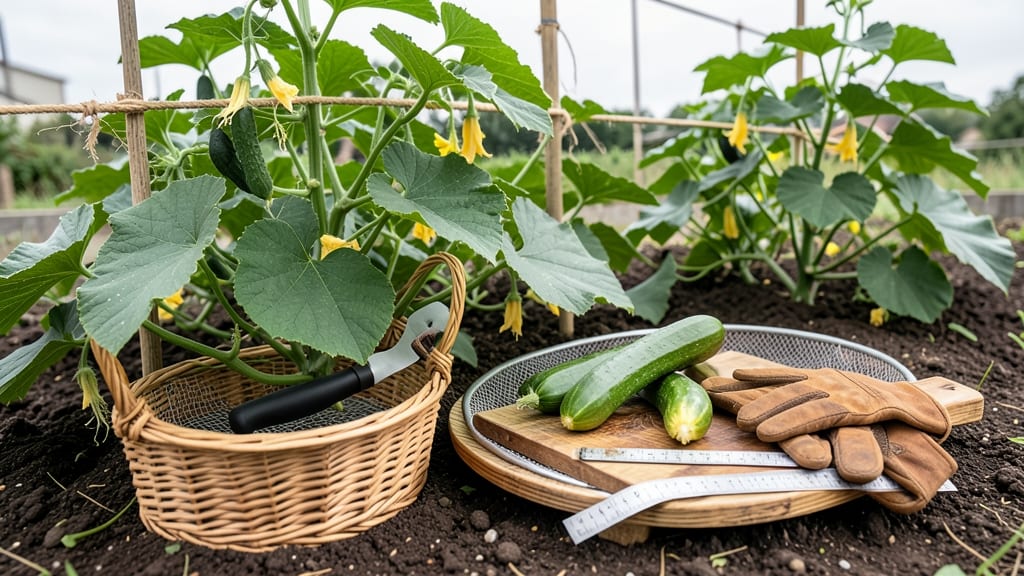
Harvesting cucumbers from your garden at the right time means the difference between crisp, sweet slices and bitter, seedy disappointments.
Picking too early leaves you with underripe fruit, while waiting too long turns them into tough, waterlogged messes. The key is knowing when those 🥒 are ready—whether you’re growing slicing, pickling, or heirloom varieties—and how to check without guessing.
Most cucumbers hit peak flavor between 6 and 8 inches, with firm skin that yields slightly when pressed. But regional heat, variety type, and even your local climate can shift that window.
I’ll walk you through the exact cues to watch for, plus how to adjust for warm vs. cool growing zones.
Stick with these tips, and you’ll keep your vines producing all season—no wasted effort or sad, overgrown cucumbers in sight.


How to identify perfectly ripe cucumbers by size, color, and texture
Harvesting cucumbers at the right moment ensures sweet, crisp fruit packed with flavor. The key lies in understanding three critical cues: size, color, and texture. Each variety—whether slicing, pickling, or heirloom—has unique signals, but these universal rules apply to all.
Skipping this step often leads to bitter, seedy cucumbers that ruin salads and pickling projects.
For slicing cucumbers, timing matters most. Most varieties like Marketmore or Straight Eight reach peak ripeness at 6-8 inches long with a deep green hue. Heirloom types like Lemon Cucumber or Armenian may stay smaller but develop a pale yellow or white skin.
Ignoring these signs means waiting too long, which turns crisp fruit into rubbery, waterlogged messes.
Here’s how to check ripeness with a simple three-step test:
| Variety Type | Ideal Size | Color Cue | Texture Test | Stem End |
|---|---|---|---|---|
| Slicing (e.g., Marketmore) | 6–8 inches | Deep green | Firm but yields slightly | Yellowish-white |
| Pickling (e.g., Boston Pickling) | 2–4 inches | Bright green | Very firm | Green (harvest young) |
| Heirloom (e.g., Lemon) | 4–6 inches | Pale yellow/white | Slightly soft | Yellow |
| Overripe Warning | 10+ inches | Dull, spotted | Mushy, seedy | Brown/dry |
The texture test is non-negotiable. Gently press a cucumber with your thumbnail—if it yields slightly (like a ripe avocado), it’s ready. A rock-hard cucumber needs more time, while one that feels spongy or bruised is past its prime.
Pro tip: Check the stem end—a yellow or white base signals ripeness, while a green stem means wait a few days.
Regional climate tweaks these rules. In hot, dry climates (like Arizona or Texas), cucumbers ripen faster—harvest every 2-3 days to avoid overripening. In cooler zones (Pacific Northwest), they mature slower; aim for 7-10 days between checks. Always harvest in the morning when temps are mild for the freshest texture.
Heirloom varieties like Diva or Tyria often have softer skins at peak ripeness, so don’t confuse tenderness with spoilage. These types also change color dramatically—from dark green to pale yellow—so rely on size and stem cues more than pigment.
For pickling cucumbers, harvest small and firm (2–4 inches) to prevent bitterness during fermentation.
Overripe cucumbers are a gardener’s worst nightmare. They develop yellow patches, soft spots, and seeds that turn from white to black. These cucumbers lose their crispness and develop a bitter, almost soapy taste.
Worse, they sap energy from the vine, reducing future yields. If you spot these signs, harvest immediately—even if not perfect—or remove the fruit entirely to redirect the plant’s energy.
For continuous harvesting, train yourself to check vines every 2-3 days during peak season (June–August). Use a sharp pruning shears or knife to cut stems 1 inch above the fruit, leaving a small nub.
This prevents disease entry and encourages more blooms. Avoid pulling cucumbers—it can damage the vine and leave unsightly scars.
One final trick: Taste test a small slice from a borderline cucumber. If it’s crisp, mild, and slightly sweet, it’s ready. Bitter? Wait another day. Sweet? Harvest immediately. This method works best for heirloom varieties, which often have more complex flavors than hybrid types.
Mastering these cues turns your cucumber patch from a hit-or-miss harvest into a reliable, flavor-packed bounty. With practice, you’ll spot the perfect cucumber in seconds—no guesswork needed. Happy harvesting! 🌱🥒
Common mistakes that ruin cucumber harvests (and how to avoid them)
Even experienced gardeners sometimes make critical errors when harvesting cucumbers that lead to wasted produce or poor flavor. One of the biggest mistakes is harvesting too early—before cucumbers reach their ideal size or texture.
This often happens when gardeners check vines daily and pick cucumbers that are still too small, leaving them with bitter, underdeveloped fruit.
Another common pitfall is ignoring the plant's signals. Cucumbers send clear cues about their readiness, but many gardeners overlook subtle changes like stem color or skin firmness. Missing these signs can result in overripe cucumbers that become seedy, watery, and prone to pests or disease.
Finally, some gardeners fail to monitor their plants for early signs of disease or pests, which can spread rapidly if left unchecked. Powdery mildew or cucumber beetles, for example, can devastate a harvest if not addressed promptly.
⚠️ Warning: Harvesting Too Late is Just as Bad
Overripe cucumbers develop bitter flavors and hard seeds, making them inedible. Look for these red flags:
- Yellowing stem ends (sign of overmaturity)
- Soft, yielding skin (indicates decay)
- Large, visible seeds (bitter taste guaranteed)
Pro Tip:
Use the "thumbnail test"—press gently with your thumbnail. If the skin dents slightly, it's ready. If it doesn't dent, wait 1-2 days.
To avoid these mistakes, I recommend harvesting cucumbers every 2-3 days during peak production. This keeps the plant focused on producing new fruit rather than letting cucumbers overmature on the vine.
Use a sharp pair of pruning shears or a knife to cut cucumbers cleanly, leaving a small stem to prevent disease entry points.
Pay close attention to your cucumber plants' growth patterns. If vines slow down producing new flowers, it could signal stress from overcrowding, nutrient deficiency, or poor pollination. Thin vines if needed, and consider hand-pollinating flowers with a small brush if bees are scarce in your area.
Regularly inspect leaves for signs of powdery mildew (white powdery spots) or cucumber beetles (small yellow-green beetles). Catching these issues early can save your entire harvest. Remove affected leaves immediately and treat with neem oil or insecticidal soap if necessary.
By avoiding these common mistakes—harvesting at the right time, monitoring plant health, and responding quickly to problems—you'll enjoy a bountiful, flavorful cucumber harvest all season long. 🥒