
Picking
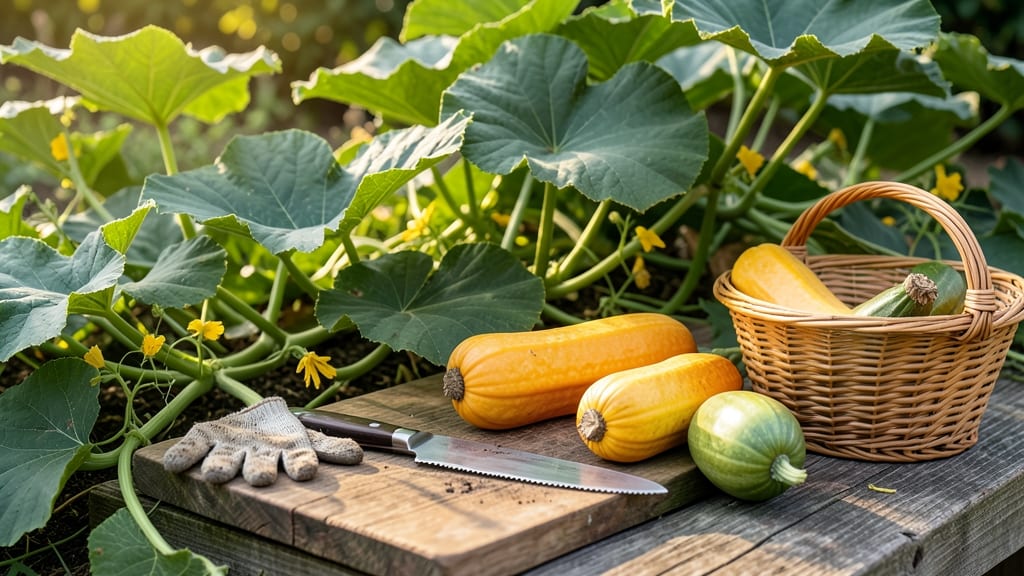
Harvesting spaghetti squash at the right time turns your garden’s 🎃 bounty into strands of tender perfection instead of a tough, chewy mess.
Picture this: you’ve waited months for your spaghetti squash to mature, only to cut into one that’s either rock-hard or mushy.
Knowing the exact moment to harvest—when the rind dulls to yellow, the stem dries, and the seeds inside rattle—is the difference between a restaurant-worthy dish and a disappointing side dish.
This guide covers the seed method for testing ripeness, seasonal factors like frost risk, and how to avoid common mistakes that ruin texture. Whether you’re in USDA Zone 6a or beyond, these cues will help you time your harvest for maximum flavor and yield.
By the end, you’ll confidently pick your squash at peak tenderness, ensuring every slice delivers those silky, noodle-like strands you’ve been dreaming of since planting in spring.
How to test spaghetti squash ripeness using the seed method (step-by-step guide)
Harvesting spaghetti squash at the perfect moment ensures tender, strand-like flesh instead of rubbery or mushy results. The seed method is my go-to trick because it combines visual cues with a simple tactile test—no guesswork required.
Unlike other squash varieties, spaghetti squash relies on internal seed development to signal readiness, making this technique especially reliable.
Most gardeners focus only on skin color or size, but the seeds tell the full story. When fully mature, the seeds inside should be fully developed and the rind should feel hard enough to resist gentle pressure.
This method works for both bush varieties and vining types, so you can use it no matter how your plants grow.
Before you begin, gather these tools: a sharp knife, a cutting board, and a small bowl to catch any seeds. Work on a sunny day when temperatures are mild—this makes the squash easier to handle and the seeds more visible.
If you’re harvesting in hot afternoon sun, wait until evening to avoid wilting the cut ends.
Step-by-Step Seed Method for Spaghetti Squash
- 1 Select a squash that’s 12–24 inches long with a dull yellow rind. Avoid any with soft spots or signs of rot.
- 2 Use a sharp knife to cut a 1-inch slice from the blossom end (the end opposite the stem). This is the least damaging spot for harvesting.
- 3 Examine the seeds inside. If they’re fully formed (about ½-inch long and dark brown), the squash is ready. If they’re small, pale, or still attached to the center, wait 3–5 more days.
- 4 Press your fingernail into the flesh near the seeds. If it resists pressure and doesn’t dent easily, the squash is prime for harvest. Soft flesh means it’s underripe.
- 5 Check the stem attachment. If it’s dry and brown at the base, harvest immediately. A green, moist stem means the squash needs more time on the vine.
- 6 Cut the squash from the vine using pruning shears or a knife, leaving a 1-inch stem attached. This prevents rot and extends storage life.
Pro tip: If you’re unsure, harvest a few squash at once and taste-test them. The perfectly ripe one will have tender, spaghetti-like strands that pull apart easily when cooked. Overripe squash will be watery and underripe will be tough—this method eliminates the guesswork.
Once harvested, cure your spaghetti squash by placing it in a warm, dry spot (like a garage or porch) for 5–7 days. This hardens the skin and improves storage life.
After curing, store in a cool, dark place (50–55°F) where it’ll keep for 2–3 months. Avoid refrigerating until you’re ready to use it—cold temps can make the flesh grainy.
For gardeners in hot climates, watch for early ripening—spaghetti squash can overmature quickly in temperatures above 90°F. In cooler zones, extend the season by using row covers or planting early-maturing varieties like ‘Golden Delicious,’ which matures in 80–85 days.
Remember, the seed method isn’t just about timing—it’s about quality control. When you master this technique, you’ll never settle for less than restaurant-worthy strands again. Happy harvesting! 🎃
Spaghetti squash harvest timeline: days to maturity and seasonal factors
Timing your spaghetti squash harvest correctly ensures those silky, restaurant-worthy strands instead of tough, chewy disappointment. Most varieties mature in 85–100 days, but your climate zone and seasonal temperatures play critical roles in sugar development and texture.
In USDA Zone 6a, for example, expect harvests between late September and October, while warmer zones like Zone 9 can extend maturity until November.
Cooler temperatures actually boost sweetness—spaghetti squash develops more sugar when nighttime temps dip into the 50–60°F range. However, a hard frost will ruin the flesh, turning it mushy.
Plan to harvest before the first frost, but don’t wait too long—overripe squash loses its strand-like texture and becomes grainy. The sweet spot? A dull yellow rind that’s hard to pierce with your thumbnail.
| Variety | Days to Maturity | Best Climate Zones | Harvest Window | Sugar Content Note |
|---|---|---|---|---|
| 'Golden Spaghetti' | 85–90 days | Zones 4–9 | Late Aug–Oct | High in cool weather |
| 'Cocozelle' | 90–100 days | Zones 5–10 | Sept–Nov | Moderate; needs warmth |
| 'Polaris' | 100–110 days | Zones 3–8 | Late Sept–Oct | Low; best in short seasons |
Fast-maturing varieties like 'Golden Spaghetti' (85–90 days) are perfect for shorter growing seasons or container gardening, while slower types like 'Polaris' (100+ days) thrive in longer summers.
If you’re in a warmer zone (Zone 9+), opt for later-maturing varieties to avoid heat stress, which can make the flesh grainy and less tender. Pro tip: Plant a mix of varieties to stagger harvests and enjoy fresh squash for weeks.
Watch for these seasonal cues to time your harvest perfectly: the stem should dry and brown, the skin should turn dull yellow, and the squash should feel heavy for its size. If you’re unsure, use the thumbnail test—press your nail into the skin.
If it doesn’t puncture easily, it’s ready. Harvesting too early means underdeveloped strands, while waiting too long risks overripe mushiness.
Temperature swings also affect storage life. Squash harvested in cooler fall weather (50–60°F) stores best for 2–3 months in a dry, dark place, while those picked in hot summer months may spoil faster.
For maximum sweetness, aim to harvest when daytime temps hover around 75–85°F—this balance ensures optimal sugar development without compromising texture.
Plan ahead by checking your last frost date and counting backward from your variety’s maturity days. In Zone 6a, for instance, planting in late May gives most varieties enough time to mature before frost.
Use row covers in early fall to extend the season if needed, but always prioritize harvesting before temperatures drop below 40°F—cold snaps turn spaghetti squash unpleasantly soft.