
Picking
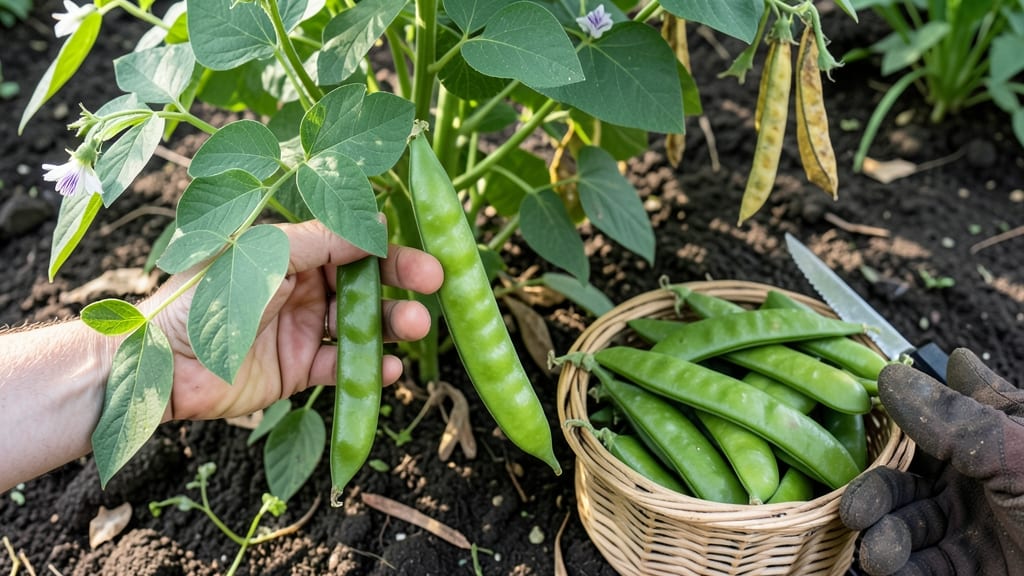
To pick beans from your garden at the perfect moment means snapping into peak flavor and avoiding the dreaded stringy, tough pods that ruin a fresh harvest.
Picture this: you’ve nurtured your 🌱 green beans all season, and now the moment of truth arrives—when do you pluck them? Harvest too early, and you’re left with underdeveloped pods; wait too long, and the beans turn woody or the plant stops producing.
The difference between a bountiful yield and wasted effort often comes down to knowing these three clear signs of readiness.
Below, I’ll walk you through the visual cues to watch for—pod size, color, and texture—plus how often to harvest to keep your plants happy and productive. Whether you’re growing bush or pole varieties, these tips will ensure your beans stay tender, crisp, and full of flavor from July through September.
You’ll also discover the best time of day to pick for maximum freshness, how weather affects ripeness, and why some gardeners swear by harvesting every two to three days. Ready to turn your garden into a bean bonanza? Let’s dive in.


3 Clear visual signs your green beans are ready to harvest
Knowing exactly when to pick beans from your garden transforms your harvest from stringy and tough to crisp and flavorful. The key lies in three simple visual cues that tell you the moment is perfect.
Miss these signs, and you risk losing both quality and future production—your plants will slow down or even stop producing pods. Let’s explore the three unmistakable signals that your green beans are begging to be harvested.
First-time gardeners often wonder, "How do I know when my beans are ready?" The answer lies in observing pod size, color, and texture. These three factors work together to give you the green light for harvesting.
For example, a 4-6 inch pod with a vibrant green hue and firm texture is your ideal target. Ignoring these cues can lead to overmature beans that become tough and lose their sweet flavor.
🌱 Numbered Highlights: When to Pick Beans
- 1
- 2
- 3
Let’s talk about pod length first, as this is the most obvious sign. Most green beans reach their peak flavor when they’re between 4 and 6 inches long.
If you’re growing bush beans, aim for the shorter end of this range (4-5 inches), while pole beans can stretch a bit longer (5-6 inches) before they toughen up.
Use a ruler or your hand as a guide—most adult hands span about 6 inches, so a fully ripe pod should fit comfortably from your thumb to your pinky.
Next, pay attention to the color and shine of the pods. A ripe green bean should be a vibrant, glossy green. Any dullness, yellowing, or brown spots are red flags that the pod is overmature.
For example, yellow wax beans will develop a slight white powdery coating when ready, but they should still snap when bent. If you see these signs, harvest immediately to avoid flavor loss.
The texture test is my favorite trick because it’s foolproof. Pick a pod and give it a gentle squeeze—it should feel firm and slightly crisp. If it’s soft or mushy, it’s too late.
You can also try the "snap test": hold the pod between your fingers and bend it slightly. A ripe bean should snap cleanly with a slight crackling sound. If it bends without snapping, it’s overripe.
Don’t forget to peek inside the pod! Look for visible but not bulging seeds. The seeds should be clearly defined but not so large that they crowd the pod. If the seeds are tiny or barely visible, the bean isn’t ready yet.
On the flip side, if the seeds look like they’re pushing against the pod walls, you’ve waited too long. This is especially important for shelling beans, where the goal is to harvest when the seeds are plump but the pods are still tender.
One common mistake is waiting too long to harvest, thinking the beans will get "sweeter." In reality, the opposite happens—they become woody and tough, and the plant may stop producing new pods.
If you notice yellowing leaves or fewer flowers, your plant is signaling it’s time to harvest more frequently. This is your cue to pick every 2-3 days to keep the plant productive.
Pro tip: Use a sharp pair of pruning shears or your fingers to harvest. Avoid pulling the pods off the vine, as this can damage the plant. Always cut or pinch the pod at the stem to encourage more production.
If you’re unsure whether a pod is ready, err on the side of harvesting it—underripe beans are still edible, while overripe ones are not.
Finally, remember that harvesting frequency matters. The more you pick, the more your plant will produce. If you let too many pods mature on the vine, the plant will redirect its energy toward seed development instead of growing new pods.
Aim to harvest at least every 2-3 days during peak production to keep your plants happy and productive all season.
Now that you know the three clear signs, you’re ready to enjoy a bountiful, flavorful harvest all season long. Happy picking! 🌱
How often to pick beans and when to let them overmature
Picking beans at the right frequency keeps your plants productive and ensures the best flavor. Most gardeners ask: how often should I pick beans? The answer depends on your variety and growing conditions, but a general rule is to harvest every 2-3 days when pods are forming actively.
This prevents overmaturity and encourages more production.
For bush beans, you might pick every 2-3 days during peak production, while pole beans can stretch harvests to 3-4 days since they produce continuously. The key is consistency—skipping harvests even once can lead to tough, stringy pods and reduced future yields.
Regular picking also prevents the plant from redirecting energy to seed development, which turns your green beans into dry, woody pods. If you notice pods becoming thick-walled or yellowing, it’s a clear sign you’ve waited too long.
Warning Signs of Overmature Beans
Let beans overmature, and you’ll sacrifice flavor and future production. Watch for these 3 key warning signs:
- 🌱 Pods turn yellow or brown—a sign seeds are fully developed.
- 🤏 Pods feel tough or woody when pinched, not crisp and tender.
- 🌡️ Seeds bulge visibly inside the pod, indicating overripeness.
Once beans reach these stages, the plant shifts focus to seed production, reducing future harvests by up to 50%.
If you’re unsure whether to pick, use the "snap test": hold a pod between your fingers and gently bend it. If it snaps cleanly with a slight crack, it’s ready.
If it bends without breaking, wait 1-2 more days. This simple trick saves you from harvesting too early or too late.
For shelling beans, aim to pick when pods are slightly younger than green beans—around 3-4 inches long—since their flavor peaks before seeds harden. Shelling beans left too long on the vine lose their sweetness and become dry, making them less enjoyable to eat.
To maximize your harvest, set a reminder to check your bean plants every 2-3 days during peak season. Even a 10-minute daily check ensures you catch pods at their prime.
Over time, you’ll develop an instinct for the perfect harvest window, turning your garden into a steady supply of fresh, flavorful beans.