
Picking
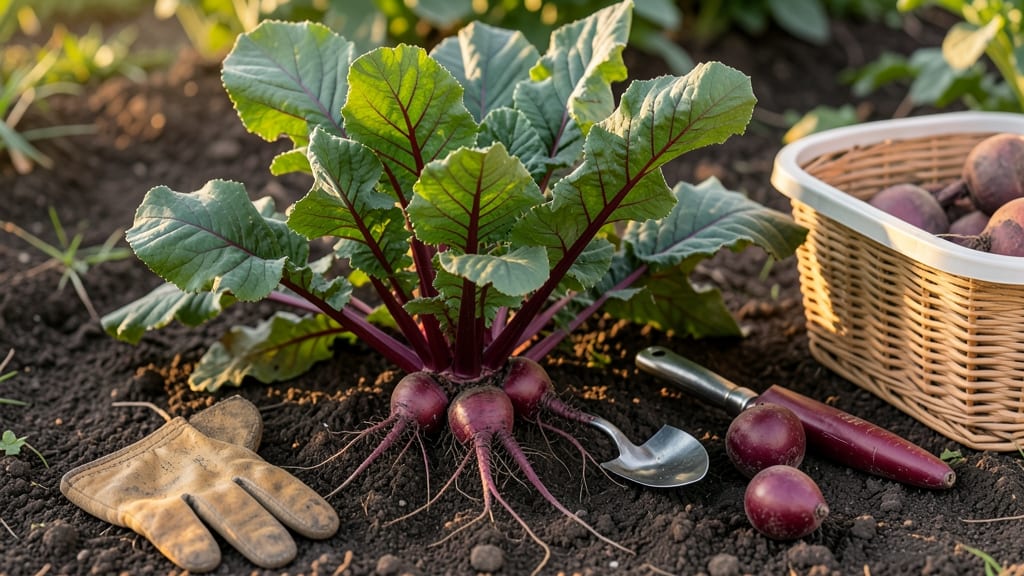
To pick beetroot from the garden at the perfect time means harvesting tender, sweet roots instead of tough, woody ones—here’s how to nail the timing every time.
Picture this: you’ve waited months for your 🍠 to mature, only to pull a root that’s either shriveled or rock-hard. That’s the difference between a great harvest and a frustrating one.
The secret isn’t just waiting for size—it’s checking the soil, the color, and even the leaves for the right cues.
Most gardeners assume bigger is better, but beetroot left too long turns bitter and fibrous. Instead, aim for roots about 1–3 inches wide, firm skin, and foliage that’s just starting to yellow.
In USDA Zone 6a, that window opens in late June for spring plantings or October for fall harvests.
Below, I’ll walk you through the exact steps to test soil resistance, spot the ideal size, and avoid the three biggest mistakes that ruin beetroot flavor. No more guesswork—just foolproof timing for the sweetest harvests.


How to check soil and beetroot size for perfect harvest timing
Harvesting beetroot at the right moment transforms your garden into a treasure trove of tender, sweet roots. The key lies in understanding two critical factors: soil conditions and root development.
Let’s start with the soil—healthy soil ensures your beetroot grows optimally, making it easier to spot the perfect harvest cues. A simple soil resistance test can tell you if the roots are ready or still developing.
Begin by gently squeezing the beetroot leaves between your fingers. If the foliage feels slightly wilted or yellowing at the edges, it’s a sign the plant is shifting energy toward the root. This natural process means the beetroot is nearing maturity.
However, if the leaves remain vibrant and deep green, the roots likely need more time in the soil to reach their ideal size.
Next, focus on the root diameter, which varies by variety. Baby beetroots should be harvested when they’re about 1 inch in diameter, while standard varieties like Detroit Dark Red reach perfection at 2–3 inches.
Heirloom types, such as Chioggia, can grow slightly larger but should still be firm and smooth to the touch. Overlooking these size cues often leads to woody, tough roots that lack the sweetness you crave.
🚨 INSERT SUMMARY-TABLE ELEMENT 🚨
| Variety | Ideal Size | Soil Test | Leaf Color | Days to Harvest |
|---|---|---|---|---|
| Baby Beetroot | 1 inch diameter | Firm when pressed | Slightly yellowing edges | 45–55 days |
| Standard (Detroit Dark Red) | 2–3 inches diameter | Smooth, no cracks | Healthy green with slight wilt | 55–70 days |
| Heirloom (Chioggia) | 3 inches diameter | Firm, no resistance | Yellowing lower leaves | 60–75 days |
To confirm readiness, perform a soil resistance test. Gently dig around the beetroot’s base—if the soil resists slightly and the root pops out cleanly, it’s harvest-ready. If the root pulls out easily with minimal resistance, it’s underdeveloped. Conversely, if the soil clings tightly and the root feels hard or fibrous, it’s over-mature and past its prime.
Don’t ignore the stem thickness either. A mature beetroot will have a stem that’s about ½ inch thick at the base. Thin stems indicate young roots, while overly thick stems suggest the beetroot has bolted or gone to seed, resulting in a bitter taste.
Paying attention to these details ensures you harvest at the peak of flavor and tenderness.
Seasonal timing also plays a role. In spring-planted crops, harvest between June and July when temperatures are mild. For fall plantings, aim for October to November before the first frost.
Cold weather can cause the roots to turn woody, so stay ahead of the season by monitoring your local frost dates.
If you’re unsure whether your beetroot is ready, consider a partial harvest. Pull one or two roots to test their size and texture. This method lets you adjust your harvest schedule without risking the entire crop.
It’s also a great way to encourage continuous production—beetroots often regrow smaller roots after a partial harvest.
Over-mature beetroots often develop cracks or hollow centers, which compromise both texture and flavor. If you notice these signs, harvest immediately and use the roots in cooked dishes where texture is less critical.
Underdeveloped roots, on the other hand, can be left in the soil to grow larger, but they may never reach their full sweetness potential.
Finally, store harvested beetroots in a cool, dark place with high humidity to preserve their freshness. A root cellar or even your refrigerator’s crisper drawer works perfectly.
Proper storage extends their shelf life for up to several weeks, allowing you to enjoy your garden’s bounty long after the harvest season ends.
With these soil and size checks, you’ll never again miss the perfect moment to harvest beetroot. The next time you’re kneeling in your garden, take a moment to feel the roots and observe the leaves—your beetroot’s readiness is written right there in the soil and foliage. Happy harvesting! 🌱
Best practices for harvesting beetroot by variety and season
Timing your beetroot harvest depends heavily on seasonal planting and variety-specific maturity. Spring-planted beetroots like Detroit Dark Red typically reach harvest in 60-70 days, while fall plantings of Chioggia may take slightly longer due to cooler soil temperatures.
Understanding these differences ensures you enjoy the sweetest, most tender roots possible.
Early-season harvests—typically in late spring or early summer—yield smaller but sweeter beetroots. Late-season harvests, often in fall after the first frost, produce larger roots with deeper flavors. For example, Golden beetroots harvested in fall develop a richer, caramel-like sweetness compared to their spring counterparts.
When to Pick Beetroot: Pros and Cons
Pros: Tender, sweet, baby-sized roots
Cons: Smaller yield, less storage life
Pros: Balanced size, peak flavor, firm texture
Cons: Requires precise timing
Pros: Larger roots, deeper flavor
Cons: Risk of woodiness, tougher texture
Pros: None
Cons: Woody, bitter, inedible
For Chioggia beetroots, harvest when roots reach 2-3 inches in diameter—their iconic striped pattern becomes more pronounced at this stage. Detroit Dark Red varieties, on the other hand, should be picked when they’re 1.5-2.5 inches wide, as they lose tenderness if left too long in the soil.
Always prioritize firmness over size; a slightly smaller beetroot is preferable to a woody one.
Seasonal storage tips can extend your harvest’s freshness. Spring-harvested beetroots store best in cool, dark conditions (like a root cellar) for up to 3 months, while fall-harvested varieties can last until winter if kept in sandy soil or moist sand in a cool basement.
Trim the greens and leave 1 inch of stem to prevent rotting during storage.
If you’re unsure whether your beetroots are ready, perform the soil squeeze test: Gently grasp a root and wiggle it. If it slides out easily with minimal resistance, it’s harvest-ready.
If the soil clings tightly, wait 5-7 more days. This method works for all varieties but is especially critical for heirloom types, which can develop woodiness faster.
Pro tip: Harvest on a dry, overcast day to reduce stress on the plant. Cut roots with a sharp knife or pruners, leaving the tops attached to prevent bleeding. Rinse gently before storing, and avoid washing until you’re ready to use them to maintain their crisp texture.