
Picking
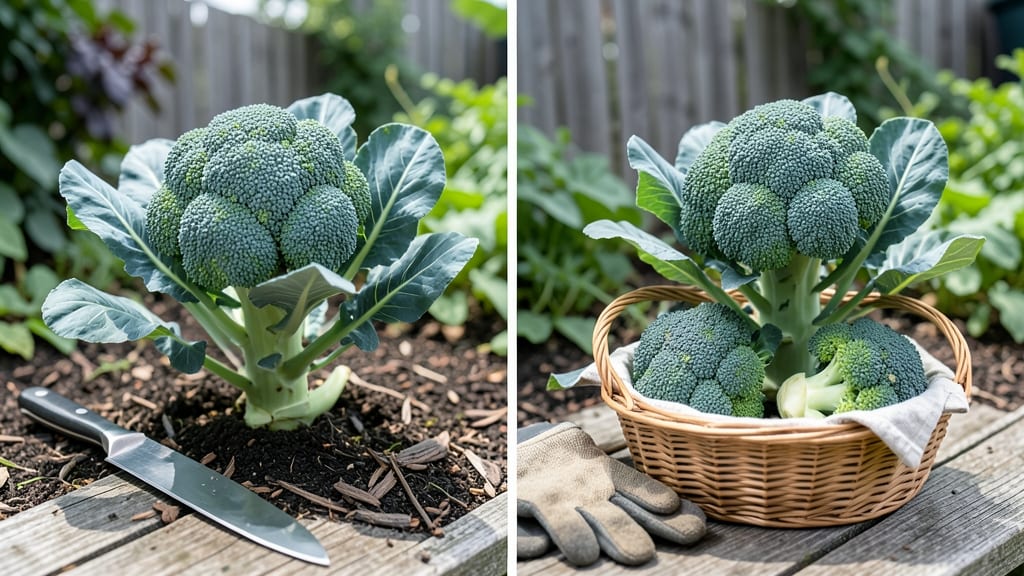
To pick broccoli from the garden at the perfect moment means snapping off tender, flavorful heads before they turn bitter or woody—something even experienced gardeners sometimes miss.
Picture this: you’ve nurtured your 🥦 broccoli for weeks, only to cut into a head that’s tough or already flowering. That’s the difference between a harvest worth bragging about and one that ends up in the compost. The key? Watching for the right color, size, and texture cues.
Broccoli heads should be dark green and compact, about 2–4 inches wide, with tightly packed florets. If you see yellowing buds or the crown loosening, you’ve waited too long—and the flavor suffers. But harvest too early, and you’ll end up with small, underdeveloped heads.
In this guide, I’ll walk you through the exact visual and environmental signals to time your harvest perfectly, plus how to encourage your plants to produce multiple harvests for a steady supply all season.


How to identify perfectly ripe broccoli by color and size
Timing your broccoli harvest is everything—pick too early, and you’ll get tiny, underdeveloped florets. Wait too long, and those tender buds turn bitter and woody. The secret lies in watching for three key visual cues: color, size, and texture.
I’ve learned that dark green florets with a compact crown between 2-4 inches are the gold standard for peak flavor.
Start by examining the floret color. Perfectly ripe broccoli crowns should be a deep, vibrant green. If you notice hints of purple or yellow, it’s a red flag—the florets are either overripe or stressed.
Even the outer leaves should be crisp and healthy, not yellowing or wilted. These leaves act like a nutrient indicator for the plant’s overall health.
Next, check the crown size. The ideal harvest window occurs when the main head reaches 4-6 inches in diameter. Anything smaller means the florets won’t develop fully, while larger heads often signal the plant is shifting energy toward seed production.
I’ve seen gardeners hesitate because they think "bigger is better," but that’s a common mistake—overgrown broccoli loses its sweetness fast.
Don’t overlook the stem firmness. A ripe broccoli stem should snap cleanly when bent—almost like a green pencil. If it bends without snapping or feels spongy, it’s past its prime. Pro tip: Run your thumb along the stem near the base.
If it leaves a smooth, white mark, that’s a sign of juicy, fresh tissue—exactly what you want in a harvest.
| Stage | Floret Color | Crown Size | Stem Test | Action |
|---|---|---|---|---|
| Not Ready | Pale green/yellow | <2 inches | Soft, bends easily | Wait 1-2 weeks |
| Perfectly Ripe | Deep green (no purple) | 4-6 inches | Snaps cleanly | Harvest immediately |
| Overripe | Yellow/purple florets | >6 inches | Woody, hollow stem | Use side shoots |
The outer leaves surrounding the crown also tell a story. Healthy leaves should be dark green and upright, not drooping or spotted. Yellowing leaves? That’s a sign of nutrient deficiency or overmaturity.
I once ignored this cue and ended up with broccoli that tasted bland—turns out, the plant was struggling to feed the head properly. Always check the leaves first—they’re your early warning system.
One mistake I see often is harvesting broccoli based on calendar dates rather than visual cues. Broccoli doesn’t follow a rigid schedule—it matures based on temperature, sunlight, and variety.
For example, Calabrese broccoli typically matures in 60-80 days, while Purple Sprouting varieties take longer. Always prioritize the plant’s signals over guesswork.
If you’re growing broccoli for side shoots, timing matters even more. After harvesting the main head, watch for small lateral buds forming near the base. These will develop into secondary harvests if given proper care.
I’ve had success with this method, but only if I cut the main stem just above a side bud—never below it, or you’ll stunt future growth.
Finally, avoid the temptation to harvest broccoli in the heat of the day. The florets are most tender in the early morning, when temperatures are cool. I’ve noticed that broccoli picked at sunrise stays fresher longer and retains its crisp texture.
If you must harvest later, store it in the fridge until you’re ready to use it to prevent wilting.
Mastering these cues takes practice, but once you get it right, you’ll never settle for store-bought broccoli again. The difference in flavor between a perfectly timed homegrown harvest and an overripe grocery store head is night and day.
Next time you’re in your garden, take an extra minute to inspect those florets—your taste buds will thank you.
Best practices for harvesting broccoli to encourage regrowth
Harvesting your broccoli at the right time isn't just about getting one big head—it's about unlocking continuous production from the same plant. When you master the technique, you can enjoy multiple harvests per season from a single plant, maximizing your garden's yield without extra effort.
The key lies in cutting properly and encouraging those hidden side shoots to grow.
Many gardeners make the mistake of harvesting only the main head and then discarding the plant. But with the right approach, your broccoli plant can produce 3-5 additional harvests of smaller but equally delicious side shoots.
This method works best in cooler climates (USDA zones 3-7) where broccoli thrives, but even in warmer regions, you can extend your harvest season with proper care.
Here's my step-by-step guide to harvesting broccoli while encouraging regrowth:
One common mistake I see is gardeners waiting too long to harvest side shoots, letting them grow into large, bitter heads. Always aim for 1-2 inch diameter—this ensures tender, flavorful florets.
If your plant starts producing yellow flowers, it's past its prime for regrowth, and you'll need to let it bolt naturally for seeds.
For fall harvests, time your final harvest 4-6 weeks before the first frost to give the plant enough time to recover and produce side shoots. In spring plantings, you can often get 2-3 harvests before summer heat sets in.
The key is consistent care—watering, fertilizing, and harvesting at the right time will reward you with a bountiful, extended harvest from each plant.
With these techniques, I've gone from harvesting one head per plant to five heads per plant in my own garden—without planting a single extra seed! The secret is patience and attention to those visual cues that tell you when to cut.
Your broccoli plant will thank you with continuous production all season long. 🌱