
Picking
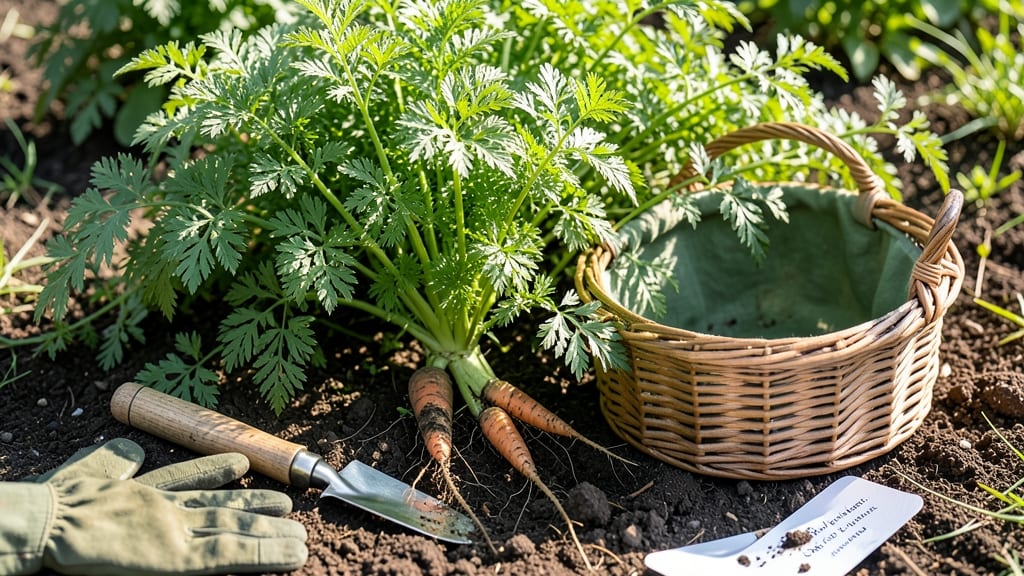
Knowing when to pick carrots in the garden means the difference between sweet, tender roots and tough, woody messes—here’s how to use the soil resistance test and other foolproof methods to time your harvest perfectly.
You’ve nurtured your 🥕 all season, but how do you know when they’re ready? Waiting too long turns them bitter, while harvesting too early leaves you with tiny, underdeveloped roots. The key is checking for firmness, color, and size—but there’s a trick to get it right every time.
Most gardeners wait until the tops are 3-4 inches tall and the soil feels firm when pressed. But the real game-changer is the soil resistance test, a simple way to tell if your carrots are mature without digging.
I’ll walk you through it, plus how to adjust for different varieties and seasons.
From spring-planted Danvers to fall Nantes, timing matters. Learn the exact signs—like deep color, smooth skin, and a crisp snap when pulled—to harvest at peak sweetness. Avoid the common mistakes that lead to overripe or stunted roots, and keep your garden producing flavorful carrots all season.


The soil resistance test: how to check carrot maturity without digging
One of the most reliable ways to determine if your carrots are ready for harvest is the soil resistance test. This simple method lets you check maturity without disturbing the roots, ensuring you pick them at peak sweetness.
The key is understanding how the soil feels when your carrots are perfectly ripe—neither too soft nor too hard.
I’ve used this test for years in my garden, and it’s saved me from digging up carrots too early or leaving them in the ground too long. The best time to perform the test is on a dry, sunny afternoon when the soil has had time to warm up slightly.
Avoid testing after heavy rain or when the soil is bone-dry, as moisture levels can skew your results.
How to Perform the Soil Resistance Test
- Choose a representative spot in your carrot bed—avoid areas with rocks or uneven soil that could affect resistance.
- Gently press your thumbnail into the soil about 1 inch deep near where a carrot is growing. Use light pressure at first.
- If the soil feels firm but gives slightly (like pressing into a ripe avocado), your carrots are likely ready. This indicates the roots have reached maturity but haven’t become woody.
- If the soil crumbles easily under pressure, your carrots are still underripe. Wait another 5-7 days and retest.
- If the soil feels rock-hard and resists your thumbnail, your carrots may be overripe. Dig one up to check for toughness or cracking.
For the most accurate results, test multiple spots in your garden. Carrots can vary in maturity even within the same bed, especially if planted at different times. I like to mark the spots I’ve tested with small wooden stakes so I don’t accidentally dig there later.
Another pro tip: Daytime testing is best because the soil warms up slightly, making it easier to feel subtle differences in resistance. Nighttime or early morning tests might leave the soil cooler and firmer, which can trick you into thinking the carrots are ready when they’re not.
Pay attention to the soil moisture too—it should be lightly damp but not soggy. If your soil is too dry, water it lightly the day before testing. Overly wet soil can make the roots seem firmer than they are, leading to premature digging.
Once you’ve confirmed the soil resistance is just right, it’s time to harvest! Use a garden fork to loosen the soil around the roots, then gently pull them up. The tops should come off easily if they’re mature, leaving a clean break at the stem end.
If you’re growing baby carrots or shorter varieties like Paris Market, the soil resistance will feel slightly different—softer and less firm. Adjust your expectations based on the variety you’re growing, and always cross-check with the leaf size and root color.
Practice makes perfect with this test. The more you do it, the more intuitive it becomes. Soon, you’ll be able to tell just by touch whether your carrots are ready to eat or need a few more days in the ground. Happy harvesting!
Carrot harvest timing by variety: days to maturity and seasonal guide
Timing your carrot harvest correctly ensures sweet, tender roots instead of tough, fibrous messes. Different varieties mature at different rates, and seasonal planting affects when you should expect a harvest.
For example, Danvers carrots typically reach maturity in 70-80 days, while Nantes varieties may be ready in just 60-70 days. Understanding these days to maturity helps you plan your garden calendar and avoid missing the harvest window.
Seasonal adjustments are key—spring-planted carrots often mature faster due to cooler soil temperatures, while fall plantings may take slightly longer as days shorten.
For instance, if you plant Chantenay carrots in early spring, you might harvest as early as 60 days, but a late summer planting could extend that to 75-80 days. Always check your last frost date to time plantings for optimal growth before winter sets in.
| Variety | Days to Maturity | Best Planting Time | Harvest Window | Seasonal Notes |
|---|---|---|---|---|
| Danvers | 70-80 days | March-April or July-August | June-July (spring) or Oct-Nov (fall) | Long, conical shape; ideal for storage |
| Nantes | 60-70 days | April-May or August-Sept | June-July (spring) or Sept-Oct (fall) | Smooth, tapered roots; great for fresh eating |
| Chantenay | 60-75 days | March-April or July-August | June-July (spring) or Oct-Nov (fall) | Short, cylindrical; excellent for containers |
| Paris Market | 50-60 days | April-May or August-Sept | June-July (spring) or Sept-Oct (fall) | Miniature variety; harvest early for tenderness |
| Rainbow | 65-75 days | March-April or July-August | June-July (spring) or Oct-Nov (fall) | Multi-colored; harvest when color is vibrant |
For spring plantings, aim to harvest before the weather turns too hot, as extreme heat can cause carrots to become woody or bitter. In fall, watch for the first signs of frost—carrots can tolerate light frosts, but heavy freezes will damage the roots.
If you're unsure about your local frost dates, use a planting calendar tailored to your USDA hardiness zone for precise timing.
Pro tip: If you're growing multiple varieties, consider succession planting every 2-3 weeks. This ensures a steady supply of fresh carrots throughout the season. For example, plant Paris Market (fast-maturing) alongside Danvers (longer season) to enjoy both baby carrots and full-sized roots.
Always check the seed packet for specific variety details, as growing conditions can slightly alter maturity timelines.
Finally, don’t overlook the importance of soil temperature. Carrots grow best in soil that’s 60-70°F. If your soil is too cold, germination slows, and if it’s too hot, roots may become misshapen.
Use a soil thermometer to monitor conditions, especially in early spring or late fall plantings. Adjust your harvest expectations based on these readings to avoid disappointment.
With this variety-specific guide, you’ll never second-guess when to pull your carrots again. Happy harvesting—and may your roots always be sweet and crisp! 🥕