
Picking
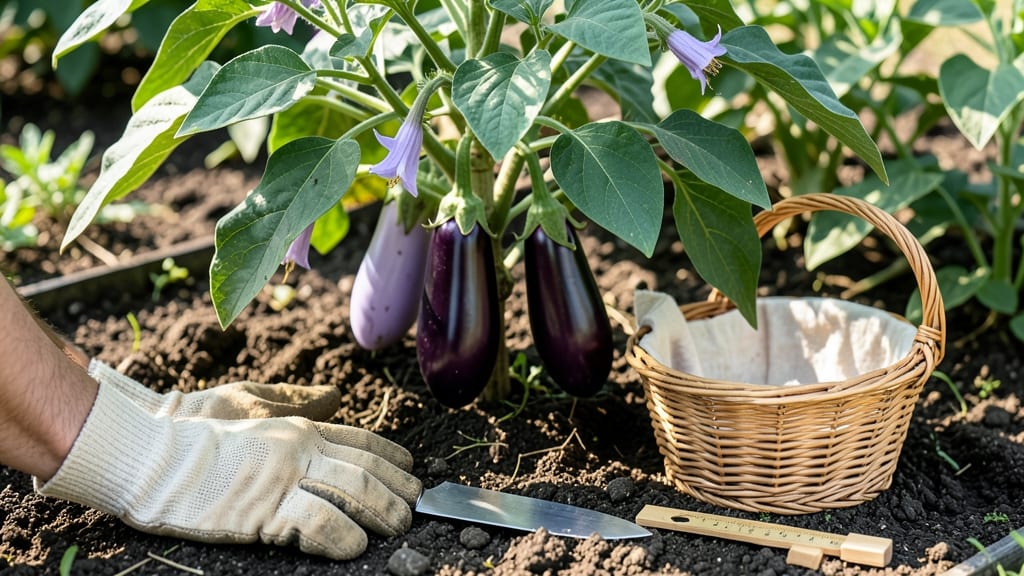
Picking eggplant at the right moment means the difference between a rich, tender fruit and one that’s bitter or seedy—so knowing when to pick eggplant in the garden is the key to a perfect harvest.
Harvesting too early leaves you with small, underdeveloped 🍆, while waiting too long turns them into tough, fibrous messes. Even the most patient gardeners can end up with wasted effort if they miss the sweet spot between firmness and full color.
Below, I’ll walk you through the exact visual cues—like glossy skin, deep color, and size—to know when your eggplant is ready, plus how to avoid common mistakes that ruin flavor.
You’ll also learn how regional climates and seasonal shifts affect your harvest window, so you can time your picks for the best taste and yield every time.
How to check eggplant ripeness using skin color and size
Knowing exactly when to pick eggplant transforms your harvest from bland to breathtaking. The secret lies in two simple clues: skin color and fruit size. A ripe eggplant should boast a deep, glossy purple-black hue—not pale or streaky—and measure between 6 to 8 inches long.
These visual cues guarantee that sweet, tender flesh you’ve been dreaming of.
Eggplants ripen unevenly, so check multiple fruits on each plant. The first sign of readiness is a deep, consistent color with no green undertones. Varieties like 'Black Beauty' or 'Ichiban' turn a rich purple-black, while white varieties develop a creamy yellow.
Ignore these signals, and you risk bitter, seedy, or overly soft fruit that spoils quickly.
Here’s the golden rule for eggplant ripeness: press gently—a ripe eggplant’s skin should feel firm and slightly springy, not mushy or yielding. Overripe eggplants develop a dull, wrinkled surface and may even split open.
The stem end also tells the story: a ripe eggplant’s stem will turn yellow or brown, while green means it’s not ready yet.
Size matters just as much as color. Most eggplant varieties reach harvest readiness at 6 to 8 inches long, though some dwarf varieties stay smaller. Measure with your hand—a ripe eggplant should fit comfortably in your palm from stem to tip.
Smaller than 5 inches? Too early. Larger than 9 inches? You’ve waited too long, and the flesh may be tough or bitter.
Don’t forget the glossy texture test. A ripe eggplant has a slightly shiny skin that reflects light, thanks to its natural waxy coating. Dull or matte skin means the fruit is past its prime.
This gloss isn’t just about looks—it’s a sign the eggplant’s flavor compounds have fully developed for that rich, meaty taste.
| Ripeness Indicator | What to Look For | What to Avoid |
|---|---|---|
| Skin Color | Deep, glossy purple-black (or variety-specific color) | Pale, streaky, or green hues |
| Fruit Size | 6–8 inches long, firm to touch | Smaller than 5 inches or larger than 9 inches |
| Skin Texture | Slightly glossy, firm when pressed | Dull, wrinkled, or mushy |
| Stem End | Yellow or brown discoloration | Green stem (not ready) |
| Harvest Time | Morning hours (coolest part of day) | Afternoon heat (can cause bruising) |
Pro tip: Harvest in the morning when temperatures are cooler. This reduces stress on the plant and prevents bruising, which happens when you pick eggplants in the heat of the day.
Use a sharp knife or pruning shears to cut the stem—never twist or pull, as this can damage the plant and future fruits.
If you’re growing heirloom or Asian varieties, like 'Rosa Bianca' or 'Thai Long', the ripeness rules stay the same, but sizes may vary. Long eggplants like 'Ichiban' can reach 12 inches or more before they’re ready.
Always check the variety’s guidelines, but trust your eyes and fingers first—they’re the best tools in your garden!
One more trick: Taste test a small slice if you’re unsure. A ripe eggplant should be sweet, tender, and slightly creamy inside. If it’s bitter or watery, it’s not ready. This quick check saves you from disappointment and ensures every eggplant you harvest is a flavor victory.
Now that you’ve mastered the art of picking eggplant at peak ripeness, you’re ready to enjoy that rich, velvety texture in your favorite dishes. Just remember: consistency is key.
Check your plants every 2–3 days during peak harvest season (July–September in most climates) to avoid missing the perfect moment.
Common mistakes that make eggplant bitter or unripe
Even the most experienced gardeners sometimes fall into the trap of picking eggplant too early or too late, leading to bitter, seedy, or underdeveloped fruit. The key is understanding the subtle signs of ripeness—because once you miss that window, flavor and texture suffer.
One of the biggest mistakes is assuming size alone determines ripeness. A 6-inch eggplant might look ready, but if its skin is still pale or soft, it’s not there yet.
Similarly, waiting until the fruit turns completely yellow or brown means you’ve passed peak flavor and are left with a tough, bitter mess.
Another common error is harvesting when the stem end remains green. This indicates the fruit hasn’t fully matured, leaving you with underdeveloped flesh. Always check for a yellow or brown stem end—this is your green light for picking.
🚨 WARNING: Overripe Eggplant = Bitter Disaster 🚨
Don’t ignore the touch test—a simple press with your thumb can save you from disappointment. A ripe eggplant should resist gentle pressure without denting. If it leaves an imprint, it’s not ready. This method works for all varieties, from classic purple eggplant to striped or white types.
Regional climates play a role too. In hotter zones, eggplant ripens faster, so you may need to check daily. In cooler areas, the process slows down, giving you a longer window to monitor ripeness. Always prioritize firmness and color over calendar dates.
Finally, avoid harvesting in the heat of the day. Eggplant skin can feel softer when warm, leading to premature picking. Wait until morning when the fruit is cooler and firmer for the most accurate touch test. With these tricks, you’ll never waste another eggplant again!