
Picking
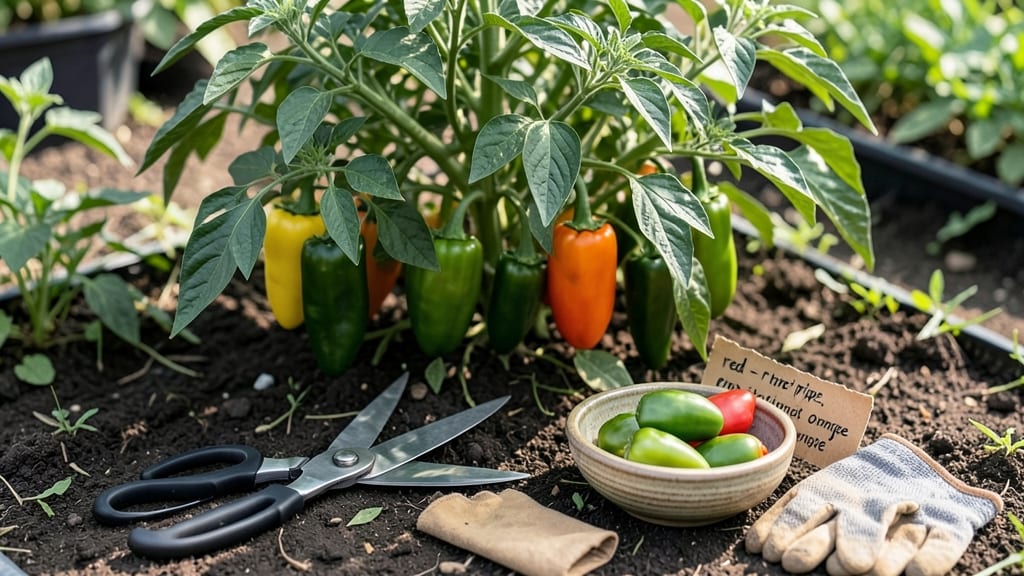
Picking garden salsa peppers at the right time ensures bold flavor and perfect heat—wait too long, and you’ll end up with mushy, overripe pods that ruin your salsa.
If you’ve ever pulled a pepper off the vine only to find it bland or mealy, you’re not alone. The key is knowing exactly when to harvest based on color, size, and firmness—details most gardeners miss until it’s too late.
From deep green to fiery red, each stage of ripeness changes the pepper’s spice level and texture. Below, I’ll break down the color-coded ripeness chart, plus how climate and variety affect your harvest timing.
You’ll also learn how to store your peppers post-pick and use them at every stage—whether fresh, roasted, or dried—for the best flavor in every bite.


Color-coded ripeness stages of salsa peppers (when to pick for best flavor & heat)
When you're growing salsa peppers in your garden, color isn't just about looks—it's your best indicator of flavor, heat, and texture. Each vibrant hue signals a different stage of ripeness, and picking at the wrong time can ruin your harvest.
For example, green peppers are crisp and mild, while red, yellow, or orange peppers pack deeper flavors and higher heat levels. Understanding these stages helps you decide whether to harvest for fresh salsa, drying, or fermenting.
Most salsa pepper varieties follow a predictable color progression: green to red, yellow, or orange, depending on the specific type. However, some varieties like Padron peppers stay green but develop intense heat when fully mature. The key is knowing which stage aligns with your culinary goals.
For instance, green peppers are perfect for quick pickling, while fully ripe red or orange peppers are ideal for slow-cooked salsas or drying. Let’s break down each stage so you can harvest at peak perfection.
| Ripeness Stage | Color | Flavor Profile | Heat Level | Best For | Harvest Window |
|---|---|---|---|---|---|
| Green | Deep green | Crisp, fresh, mild | Low to medium | Pickling, stir-fries, fresh salsa | 60-75 days after transplant |
| Turning | Yellow/green or orange/green | Balanced, slightly sweet | Medium to high | Roasting, grilling, fermented salsa | 75-85 days after transplant |
| Red | Bright red | Sweet, rich, complex | High (varies by variety) | Drying, slow-cooked salsa, powdered spices | 85-90+ days after transplant |
| Yellow/Orange | Golden yellow or deep orange | Fruity, slightly smoky | Medium-high | Stuffing, sauces, dried flakes | 80-90 days after transplant |
If you're growing green salsa peppers, like Serrano or Jalapeño, they’re typically harvested when fully green and firm. These peppers are crisp and mild but can develop more heat if left on the plant.
For maximum flavor and heat, wait until they turn red, yellow, or orange, as this is when their sugar content peaks and their capsaicin levels intensify. For example, a red Jalapeño will have a deeper, slightly sweet taste compared to its green counterpart.
One common mistake is assuming all peppers ripen at the same rate. In reality, temperature and daylight play huge roles. Cooler climates may slow ripening, while hotter summers can speed it up.
If you're in a short growing season, like USDA Zone 5 or 6, prioritize harvesting green or turning peppers for immediate use, then save fully ripe ones for later.
Always check the stem separation—a pepper ready to pick will snap easily at the stem without tearing the fruit.
For drying or fermenting, aim for fully ripe peppers with vibrant colors. These peppers have thicker skins and concentrated flavors, making them perfect for long-term storage.
If you're growing multiple varieties, like Habanero (red) and Cherry Bomb (orange), keep a harvest journal to track their individual ripening timelines. This helps you plan for batch cooking or preserving methods like freezing or canning.
Don’t overlook the texture changes that come with ripening. Green peppers are crisp and firm, while ripe red or orange peppers become slightly softer and more pliable. If a pepper feels shriveled or leathery, it’s overripe and best used in cooked dishes.
On the flip side, underripe peppers (small, pale, or still growing) lack flavor and heat, so avoid harvesting them early unless you’re in a rush.
Pro tip: Harvest in the morning when peppers are cool and fully hydrated. This ensures they’re at their
Signs your salsa peppers are ready to harvest (beyond just color)
Color alone isn’t enough to determine when to pick garden salsa peppers. While deep red or green can signal ripeness, physical cues like size and texture are just as critical.
I’ve learned the hard way that ignoring these signs leads to peppers that are either too mild or overly soft—neither ideal for salsa.
First, check the pepper size. Ready-to-harvest salsa peppers typically measure 2 to 4 inches in length, though dwarf varieties may stay smaller. If your peppers are still growing rapidly, they’re not quite there yet. Smaller peppers often lack the bold flavor and heat you crave in homemade salsa.
Next, examine the firmness of the pepper. A ripe salsa pepper should feel firm but slightly yielding when gently squeezed. If it feels mushy or wrinkled, it’s past its prime. Overripe peppers lose their crisp texture and develop a bitter, watery interior that ruins dishes.
Pay attention to the stem separation. When a pepper is ready, the stem should snap easily when bent at a 90-degree angle. If it resists or tears, the pepper isn’t fully mature. This trick works best in the morning when peppers are hydrated and firmest.
Environmental factors also play a role. In hotter climates, peppers ripen faster and may need harvesting sooner. Conversely, cooler temperatures slow ripening, so don’t rush the process. Watch for consistent color across the pepper—no green patches or uneven hues.
Finally, consider the daylight hours in your region. Salsa peppers need 6 to 8 hours of sunlight daily to ripen properly. If your garden lacks sufficient light, peppers may stay underripe or develop poor flavor. Supplement with grow lights if needed, especially in shady spots.
Here’s what to avoid: harvesting peppers that are still growing or have soft spots. These signs mean the pepper isn’t ready, and you’ll miss out on peak flavor and heat. Timing is everything—pick at the right moment, and you’ll enjoy the best salsa peppers your garden can produce.
⚠️ Warning: Overripe Peppers Ruin Flavor
If your salsa peppers develop wrinkled skin or soft patches, they’re past their prime. Overripe peppers lose heat and develop a bitter, mealy texture. Harvest immediately if you see:
- Dull, uneven color (not vibrant)
- Stem that won’t snap (too tough)
- Peppers splitting open (sign of overwatering)
Pro tip: Pick in the morning when peppers are cool and firmest. Avoid harvesting after rain—peppers absorb excess moisture and become waterlogged.