
Picking
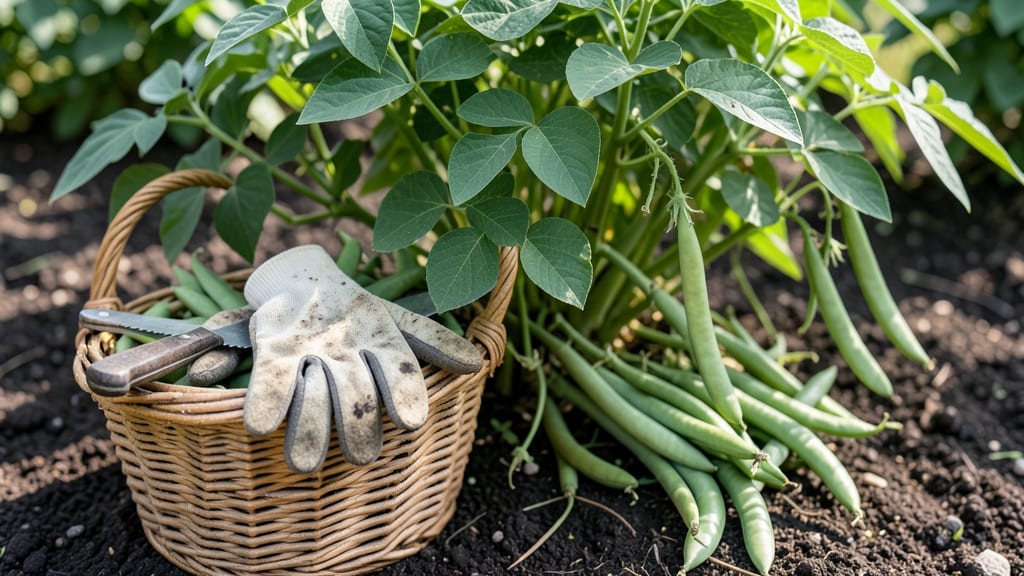
To pick green beans from your garden at the perfect moment means harvesting them when they’re tender, flavorful, and ready to snap—before they turn tough or fibrous.
Picture this: You step into your garden in July, and there they are—4- to 6-inch pods that still bend slightly when you pinch them. That’s the sweet spot, but miss it by even a day, and you’re left with stringy, overripe beans that taste like disappointment.
The difference between a bountiful harvest and a wasted one often comes down to timing.
Below, I’ll walk you through the exact visual and tactile cues to look for—like firmness, seed development, and even the best time of day to pick—so you never miss another harvest window.
Plus, I’ll share how often to check your plants and why consistent picking keeps your green beans 🌱 producing like crazy.
Whether you’re growing bush beans or pole varieties, these tips will help you turn your garden into a flavor-packed feast instead of a guessing game. Ready to learn the secrets to the perfect pod?


How to identify the perfect time to pick green beans (firm pods vs. flat seeds)
Harvesting green beans at the right moment ensures crisp, tender pods packed with flavor. The key lies in pod firmness, size, and seed development—all clues that tell you when to pluck them.
For bush varieties, this window is tight, while pole beans offer a slightly longer grace period. Ignoring these cues often leads to stringy, tough beans or wasted effort picking underripe pods.
Start by examining the pod length and thickness. Ideal green beans should measure 4 to 6 inches long, depending on the variety. For example, Blue Lake beans reach perfection at 5 inches, while Romano beans can stretch to 6 inches.
If pods are shorter than 3 inches, they’re still developing and lack the sweet, crisp texture you crave.
Next, check the pod’s firmness and snap. A ready-to-pick bean should feel firm but not hard—like a fresh green pepper. Gently bend a pod; if it snaps cleanly, it’s harvest-ready.
If it bends without breaking, it’s too young. Overly soft pods mean you’ve missed the window, and the beans will soon turn woody and bitter.
Look inside the pod for seed development clues. At the perfect harvest time, seeds should be visible but flat, not bulging or fully formed. If you see round, plump seeds, the pod has passed its prime.
This is especially critical for pole beans, which can develop seeds faster if left unchecked. Think of it like catching a fish at the right size—too small, and it’s not ready; too large, and it’s overdone.
| Harvest Cue | Bush Varieties (e.g., Blue Lake) | Pole Varieties (e.g., Kentucky Wonder) |
|---|---|---|
| Pod Length | 4–5 inches | 5–6 inches |
| Pod Firmness | Firm, snaps easily | Firm, slightly thicker walls |
| Seed Stage | Flat, barely visible | Flat, visible but not round |
| Color | Bright green, uniform | Vibrant green, slight gloss |
| Harvest Frequency | Every 2–3 days | Every 3–4 days |
| Common Mistake | Picking too late = tough pods | Waiting too long = seed development |
Color is another tell-tale sign of readiness. Mature green beans should be a uniform, bright green. Dull or yellowing pods indicate stress or overmaturity. Some varieties, like Purple Podded beans, change color as they ripen—wait until they turn back to green before harvesting.
Always prioritize vibrant, glossy pods over those that look faded or spotted.
Time of day matters too. Harvest in the morning after dew dries for the crispest beans. Avoid picking in the heat of the day, as pods can wilt or develop a mealy texture.
If you’re harvesting late in the season, focus on younger pods first—they’ll be sweeter and more tender than the older ones still developing on the plant.
One of the biggest harvesting mistakes is waiting until pods feel too thick or fibrous. By this stage, the plant has shifted energy to seed production, reducing future yields.
For bush beans, this means fewer pods overall, while pole beans may stop producing entirely. Regular harvesting—every 2 to 4 days, depending on variety—encourages the plant to keep producing.
Pay attention to the plant’s overall health too. If leaves start yellowing or pods shatter easily when touched, your harvest window has closed. This is especially true for older plants or those under stress from drought or pests.
In such cases, pick whatever remains and let the plant rest before deciding whether to replant for a fall crop.
For pole beans, which take longer to mature, keep an eye on the topmost pods first. These are often the most mature and flavorful. Work your way down the vine, ensuring you don’t miss any hidden gems.
Use a pair of sharp pruning shears or your fingers to avoid damaging the vine. A gentle twist or clean cut prevents plant stress and keeps the harvest flowing.
Remember: the goal is consistency and quality. A little effort now means a bountiful, flavorful harvest all season long. Once you master these cues, you’ll never second-guess when to pick again—just crisp, fresh green beans waiting for your next meal. 🌱
Step-by-step harvesting techniques for maximum yield and quality
Harvesting green beans at the right time isn’t just about timing—it’s about technique. When you pick too late, pods turn woody and stringy, while harvesting too early means sacrificing flavor and yield. The key is consistency and gentle handling to keep your plants producing for weeks.
I’ve learned that daily harvesting for bush varieties and every other day for pole beans maximizes production, but only if done correctly.
Start by checking pods daily once they reach 4-6 inches long. Use your fingers to gently squeeze a pod—if it snaps cleanly with a slight resistance, it’s ready. Avoid tugging or pulling, as this can damage the plant and reduce future yields.
Instead, use a sharp pair of pruning shears or your fingers to pinch the stem just above the pod. This method keeps the plant healthy and encourages more growth.
Here’s how to harvest like a pro:
Harvest bush beans daily in the morning when pods are firm and crisp. For pole beans, every other day works, but check more frequently if pods are forming quickly.
Grab a sharp pair of pruning shears or use your thumb and forefinger to pinch the stem. Avoid dull tools that crush pods or tear plant tissue.
Look for 4-6 inch pods with visible but flat seeds. If seeds are bulging or pods feel soft, you’ve waited too long.
Pinch or cut just above the pod to avoid damaging the plant. Never pull pods—this can uproot young plants or leave stems vulnerable to disease.
Place harvested beans in a paper bag or mesh produce bag in the fridge for up to 5-7 days. Avoid plastic bags to prevent moisture buildup.
After harvesting, give plants a light drink of water and a quick check for pests. Healthy plants will reward you with weeks of continuous harvests.
One of my biggest mistakes was harvesting pole beans too infrequently, which led to overripe pods and a sudden drop in production. Now, I set a reminder to check my garden every other morning during peak season.
If you’re growing both bush and pole varieties, prioritize bush beans—they produce faster and benefit from more frequent picking.
Pro tip: Use a small basket or bucket with a handle to collect your harvest. This keeps your hands free and makes it easier to carry fresh beans to the kitchen or storage.
For large gardens, consider a wheelbarrow with a shallow tray to avoid bending over repeatedly. Your back (and your beans) will thank you!
Remember, the goal is to keep your plants producing longer, not just harvesting a big batch at once. By following these steps, you’ll enjoy tender, flavorful beans all season long—no tough pods or wasted effort. Happy harvesting! 🌱✂️