
Picking
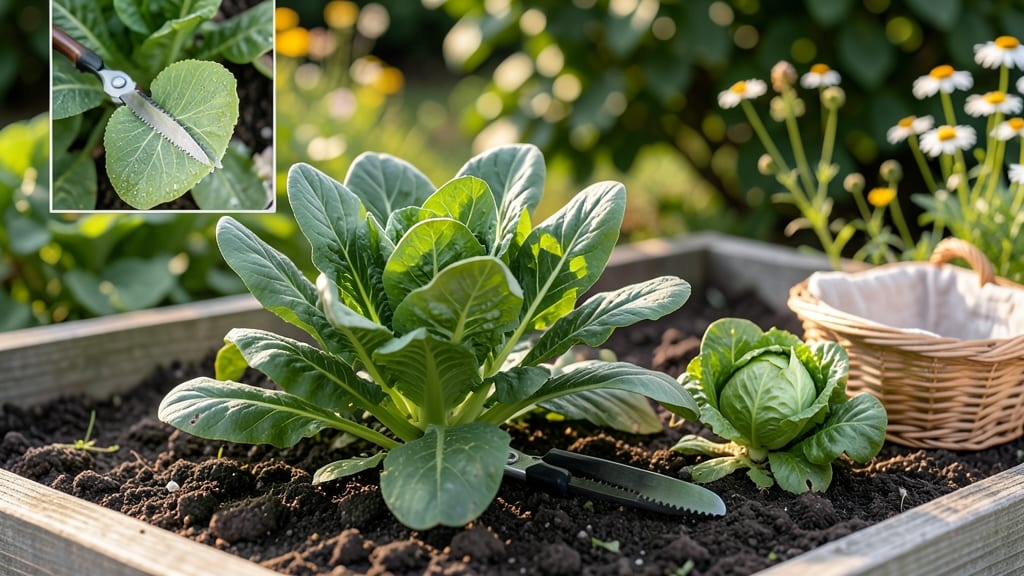
Picking lettuce 🥬 from your garden at the right moment means the difference between a salad so crisp it snaps and one that’s limp or bitter.
Harvesting too early? You’re left with tiny, underdeveloped leaves. Too late, and you’re fighting bolting or tough, fibrous textures. The perfect window is all about timing—and I’ll show you exactly how to spot it.
From leaf size and tenderness to the best time of day, I’ll break down the visual cues and seasonal factors that guarantee your harvest stays fresh and flavorful. Even regional frost risks play a role, so we’ll cover those too.
Ready to go from guessing to confidently harvesting? Let’s dive into the crispness test and the ideal harvest window for your garden.


How to test lettuce crispness for perfect harvest timing
Nothing beats the satisfaction of harvesting crisp, fresh lettuce straight from your garden—but timing is everything. Picking too early means small, underdeveloped leaves, while waiting too long turns your salad greens bitter or tough.
The key lies in testing leaf firmness, color vibrancy, and that all-important crunch factor. Let’s break down the foolproof methods to determine when your lettuce is ready for the cutting board.
Start by examining the outer leaves of your lettuce plant—they’re the best indicators of readiness. Look for leaves that measure 4-6 inches long and feel firm yet tender when gently squeezed. If the leaves collapse or feel mushy, they’re overripe.
Conversely, if they’re still small and sparse, give them a few more days. Color consistency is another critical clue—vibrant, deep hues signal maturity, while pale or uneven coloring means they need more time.
Here’s a quick crispness test you can do right in your garden: Pinch a leaf between your thumb and forefinger. If it holds its shape and feels slightly resistant, it’s ready to harvest.
If it crumbles easily, it’s past its prime. This simple test saves you from the disappointment of bolting lettuce (when it sends up a flower stalk) or tough, fibrous leaves that ruin salads.
One of the biggest mistakes gardeners make is harvesting the entire head at once. Instead, practice cut-and-come-again harvesting by snipping the outer leaves 1 inch above the base. This encourages the plant to produce more tender leaves while keeping it productive for weeks.
For loose-leaf varieties, you can harvest individual leaves as they reach maturity, ensuring a steady supply of fresh greens.
Pay attention to the time of year and your climate zone, as these factors influence lettuce growth. In hotter months, lettuce bolts quickly—so harvest sooner rather than later. In cooler seasons, you can afford to wait a few extra days.
If you’re in Zone 6a or warmer, aim for 45-60 days after sowing, while cooler zones may take slightly longer. Always check the seed packet for variety-specific recommendations.
Another pro tip: Harvest in the morning when temperatures are cool and leaves are at their crispiest. Avoid harvesting after a hot afternoon or during rain, as this can lead to soggy, wilted greens.
Store harvested lettuce in the crispest drawer of your fridge (usually the one with the highest humidity) and use it within 5-7 days for the best texture and flavor.
If your lettuce starts to bolt (sends up a tall flower stalk), it’s a sign you’ve missed the harvest window. While bolting lettuce is still edible, the leaves become bitter and tough.
To prevent bolting, provide consistent moisture, avoid over-fertilizing with nitrogen, and choose heat-tolerant varieties like Romaine or Buttercrunch for warmer climates. Shade cloth can also help extend the harvest season in hot areas.
For container gardeners, the same rules apply, but monitor your plants daily since they may mature
Best time of day and season to harvest lettuce
Timing your lettuce harvest correctly ensures maximum flavor and texture. The best time of day to pick lettuce is early morning when temperatures are cool and leaves are still crisp.
This prevents wilting and preserves the vibrant color and tender texture you crave in salads. Morning harvests also reduce stress on the plant, encouraging continued growth.
Seasonally, lettuce thrives in spring and fall when temperatures hover between 45°F and 75°F. In USDA Zone 6a, aim for harvests between May-June and September-October.
These cooler months prevent bolting—the bitter, flower-producing stage that ruins your crop. If you live in warmer zones, focus on fall harvests to avoid summer heat stress.
- Pick outer leaves first when they reach 4-6 inches—this encourages continuous growth and avoids stunted plants.
- Harvest spring lettuce between May and June before temperatures exceed 75°F, which triggers bolting.
- For fall harvests, aim for September-October in Zone 6a, stopping 6-8 weeks before first frost to prevent frost damage.
- Always harvest after dew dries (around 8-9 AM) to avoid fungal risks from damp leaves.
- In hot climates, use shade cloth and harvest evenings to prevent heat stress and maintain crispness.
Morning harvests aren’t just about freshness—they also preserve nutrients. Lettuce leaves lose vitamin C and antioxidants when exposed to heat or direct sunlight for too long. By picking in the coolest part of the day, you lock in peak nutrition and flavor intensity.
Plus, the crispness test becomes easier: leaves should snap cleanly when bent, not bend without resistance.
Regional frost risks play a critical role in timing. In Zone 6a, the last spring frost (around April 15) signals the start of safe harvests, while the first fall frost (around October 30) marks the end.
If frost threatens, harvest all remaining leaves immediately—they’ll stay fresh for 5-7 days in the fridge. For extended storage, wrap heads in damp paper towels and refrigerate.
Evening harvests can work in extreme heat, but they require caution. Avoid picking after 4 PM when temperatures rise, as this can cause wilting within hours. If you must harvest later, choose shaded leaves and store them immediately in a cool, dark place.
Pro tip: Use a harvest basket lined with ice packs to keep leaves crisp during transport.
Seasonal variations also affect lettuce varieties. Butterhead and Romaine tolerate slightly warmer conditions than leaf lettuce, so adjust your timing accordingly. For continuous harvests, plant successive crops every 2 weeks—this ensures a steady supply of crisp, flavorful lettuce all season long. 🥬