
Picking
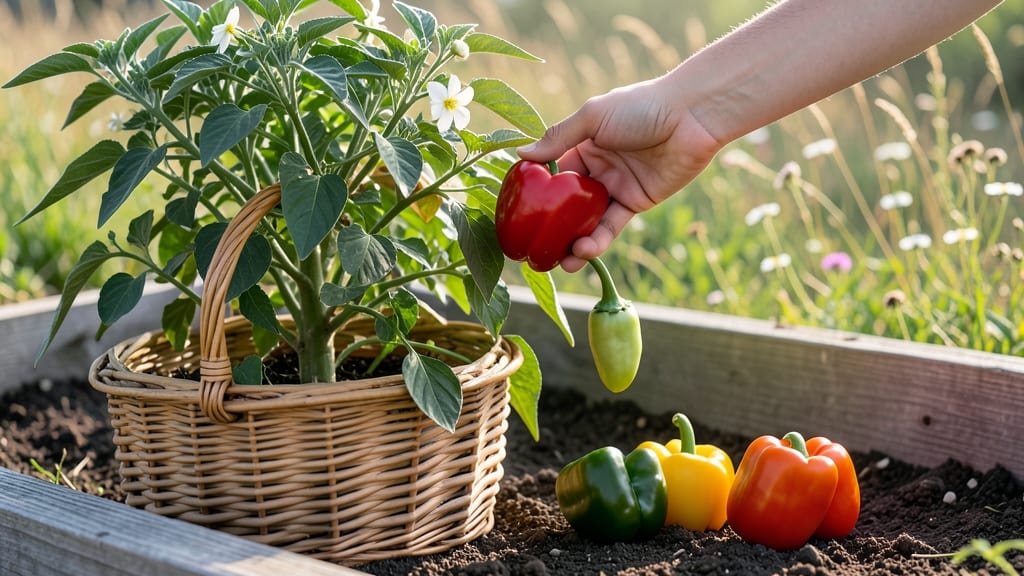
To pick peppers from your garden at the perfect moment means unlocking their full flavor and avoiding the bitter disappointment of overripe or underripe harvests.
Picture this: you’ve nurtured your 🌶️ peppers all summer, and now the question looms—how do you know exactly when to pluck them? The answer lies in color, size, and texture cues that most gardeners miss, and I’m about to break it down into a foolproof guide.
Harvesting too early can leave you with thin-walled, bland peppers, while waiting too long risks wrinkled skin and a sharp, unpleasant bite. Temperature and sunlight play their part too, so understanding these factors will help you time your harvests like a pro.
By the end of this guide, you’ll master the art of pepper picking—whether you’re after crisp green bell peppers or deep-red, sweet jalapeños—so every harvest feels like a victory.


Peppers ripeness by color: the ultimate color-coded harvest guide
Peppers transform from green to vibrant reds, yellows, and oranges as they ripen, but not all colors mean the same thing. Some varieties like jalapeños and habaneros turn red when fully ripe, while bell peppers can be harvested green or at full color.
Understanding these color cues ensures you pick peppers at their peak flavor and texture.
The key to perfect peppers lies in recognizing maturity stages by color, size, and firmness. A green pepper might still be edible, but its flavor and sweetness peak when it reaches its final color.
For example, a red bell pepper has 3x more vitamin C than its green counterpart. Let’s break down each color stage so you never miss the sweet spot.
🌶️ Pro Tip: Always check for firmness and stem separation—even if the color looks perfect, a soft or wrinkled pepper is overripe.
| Color Stage | Maturity Level | Flavor Profile | Best Varieties | Harvest Window |
|---|---|---|---|---|
| 🟢 Green | Immature (can be harvested early) | Milder, crunchier, less sweet | Bell peppers, jalapeños, serranos | 60-75 days after transplant |
| 🟡 Yellow | Partially ripe (sweeter than green) | Balanced sweetness, slight tang | Bell peppers, banana peppers | 75-90 days after transplant |
| 🟠 Orange | Near-full ripeness (peak sweetness) | Sweet, fruity, less heat | Bell peppers, shishito peppers | 90-105 days after transplant |
| 🔴 Red | Fully ripe (most flavorful) | Sweetest, richest, highest vitamin C | Bell peppers, jalapeños, habaneros | 105-120 days after transplant |
For bell peppers, you can harvest them at any stage, but red peppers are the sweetest and most nutritious. If you’re growing jalapeños or habaneros, wait for the red stage for maximum heat and complexity.
However, if you prefer milder heat, pick them green or yellow—just ensure they’re fully sized.
🌱 Did You Know? Some heirloom peppers, like Carolina Reaper, never turn fully red—they stay green or purple. In these cases, focus on size and firmness rather than color.
Environmental factors like temperature and sunlight can delay ripening. If your peppers aren’t changing color by late summer, they may need more direct sunlight (6-8 hours daily) or a balanced fertilizer to encourage full maturation. In cooler climates, peppers may ripen slower, so monitor them closely.
Harvesting at the right time also depends on your climate zone. In USDA Zone 6a, peppers typically ripen by mid-to-late September, while in warmer zones like Zone 10, they can keep producing until November.
Always pick peppers in the morning when temperatures are cooler to preserve freshness.
If you’re unsure whether a pepper is ready, perform the thumbnail test: Gently press the pepper with your thumbnail. If it doesn’t dent, it’s firm and ripe.
If it yields easily, it’s overripe. For green peppers, aim for a glossy, firm skin and a deep green color—avoid pale or wrinkled ones.
For storage tips, harvest peppers with 2-3 inches of stem attached to extend shelf life. Store them in a cool, dark place (like a paper bag) for up to 2 weeks. If you’re not using them immediately, consider freezing or pickling for long-term preservation.
Now that you’ve mastered the color-coded guide, you’ll never second-guess when to pick your peppers again. Happy harvesting! 🌿
5 Key signs your peppers are ready to pick (beyond just color)
Color isn’t the only indicator that your peppers are ready for harvest. While deep red or vibrant green hues are classic cues, many heirloom varieties and jalapeños mature differently.
I’ve learned that wall thickness, stem separation, and even seed development can reveal peak ripeness before the color fully changes.
For example, my bell peppers often reach their perfect crunch when the stem detaches cleanly from the plant—a sign they’re sweeter and firmer. Meanwhile, habaneros might stay green but develop a glossy sheen and thick walls, signaling they’re ready for picking.
Let’s explore these hidden ripeness clues so you never miss the ideal harvest window.
- 1 Size Consistency: Peppers should reach their variety’s mature size—e.g., 3-4 inches for jalapeños or 4-6 inches for bell peppers. Stunted growth means they’re not ready yet.
- 2 Stem Separation: Gently twist the pepper near the stem. If it snaps cleanly (not tears), it’s ripe. A stubborn stem means it needs more time.
- 3 Wall Thickness: Press a fingernail into the pepper’s side. A thick, firm wall (resists pressure) means it’s ready. Thin walls = underripe.
- 4 Glossy Sheen: A slightly waxy or shiny surface indicates full ripeness, even if the color isn’t fully developed. Dull peppers are overripe.
- 5 Seed Development: Cut open a pepper to check seeds. Fully ripe seeds are plump and dark. Shriveled or pale seeds mean it’s past its prime.
Heirloom varieties like Shishito peppers or Cherokee Purple often defy color rules—they might stay green but still be perfect to pick when they meet the other ripeness criteria.
For these, focus on size and texture over color. I’ve harvested green heirlooms at peak firmness and enjoyed their sweetness just as much as red ones.
Environmental factors also play a role. If your peppers are growing in hotter-than-average summers, they may ripen faster and need picking earlier. Conversely, cooler weather can slow ripening, so don’t rush—wait for the stem separation test.
Trust these cues, and you’ll avoid the bitter disappointment of overripe peppers or the blandness of underripe ones.
Pro tip: Harvest in the morning when peppers are cool and firm. This preserves their flavor and texture longer. Use a sharp pair of pruning shears or your hands to avoid damaging the plant.
The more you practice reading these signs, the more intuitive picking becomes—soon, you’ll know exactly when to harvest without second-guessing.