
Picking
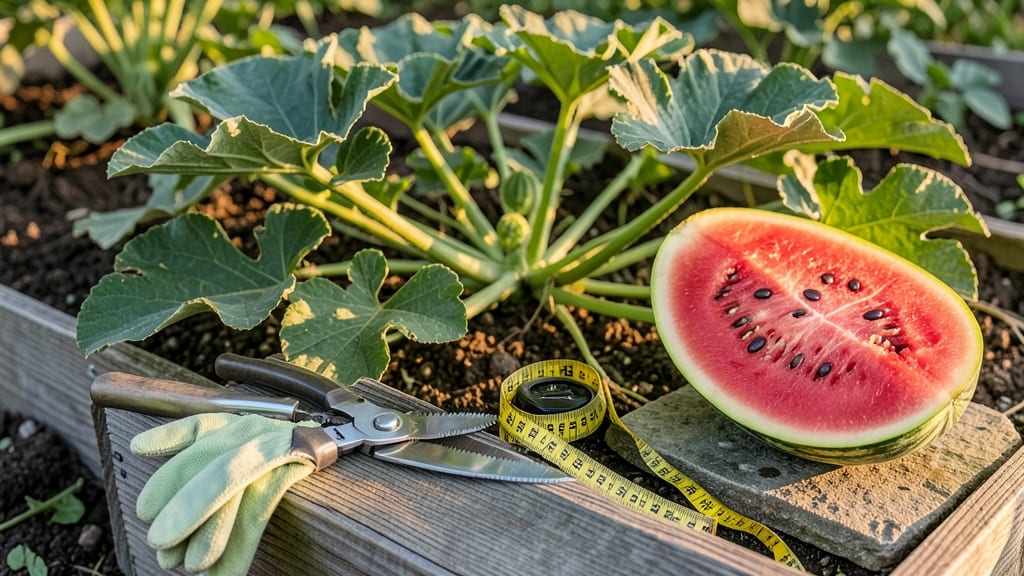
Picking a watermelon from your garden at the right time means the difference between a burst of sweetness and a meal of bland disappointment — and the clues are all around you.
Harvesting too soon leaves you with a rock-hard, flavorless melon, while waiting too long risks a mealy, overripe pulp. But here’s the good news: nature gives you clear signals if you know what to look for.
From the telltale cream-colored spot on the underside to the dry tendril trick, I’ll walk you through the foolproof ways to test ripeness — no guesswork required.
By the end, you’ll know exactly when to grab your knife, how to confirm it’s perfect, and what to do if you’ve missed the window.

5 Proven signs your watermelon is ripe for picking
There's nothing quite like biting into a perfectly ripe watermelon—juicy, sweet, and bursting with flavor. But knowing when to pick watermelon from your garden can be tricky if you're relying on guesswork alone. The good news?
Nature provides clear visual and tactile clues that tell you exactly when your watermelon is ready to harvest. I've grown watermelons for years, and these five foolproof signs have never failed me.
Watermelons don't ripen further after picking, so timing is everything. If you harvest too early, you'll end up with a bland, watery fruit. Too late, and it might be overripe or even rot.
The key is watching for these five ripeness indicators simultaneously—they all work together to confirm your watermelon is at peak sweetness. Let's dive into the science-backed signs that'll have you picking perfect melons every time.
Check the cream-colored spot where the watermelon rested on the ground. When ripe, this spot turns yellowish or orange—a sure sign of ripeness.
The small tendril near the stem should turn brown and crispy. If it's still green, your melon needs more time on the vine.
A ripe watermelon's rind color becomes uniform—no green patches. For dark varieties, look for a deep, rich hue.
Tap the melon with your knuckles—it should sound deep and hollow. A dull thud means it's not ready yet.
A ripe watermelon feels surprisingly heavy compared to its size. Lift it—if it's light, it's not ready!
Let me share a pro tip about the field spot—that's the pale area where the watermelon sat on the ground. When it changes from white to yellow or orange, that's your strongest indicator.
I once missed this sign on a Sugar Baby variety and ended up with a melon that was still mealy inside. Now I double-check this spot every time!
The tendril trick is another game-changer. That little vine near the stem? It should be completely brown and dry. If it's still green or just starting to wilt, your melon needs more time.
I test this first thing in the morning when the tendrils are fully dry from any overnight dew.
Don't overlook the rind color—it's your watermelon's natural uniform. For varieties like Crimson Sweet, look for a deep red without any green patches. With striped varieties like Moon and Stars, the stripes should be sharp and defined.
Pro tip: Run your thumb along the rind—it should feel slightly tough, not soft or spongy.
Here's where many gardeners go wrong—they rely too much on the thump test alone. While a hollow sound is good, it's not foolproof. Combine it with the other signs for accuracy.
I've found that early morning is the best time to test—cooler temps make the sound clearer. And always test near the stem, not the blossom end.
The weight test might seem obvious, but it's often overlooked. A ripe watermelon should feel dense and heavy for its size. I like to compare two melons side by side—if one feels significantly lighter, it's not ready.
This works especially well when you have multiple melons on the vine at different stages.
Remember, these signs work together like a team. You might see one or two indicators early, but all five should align before you harvest. For example, you could have a yellow field spot and dry tendril, but if the rind is still green, wait another day.
Patience pays off with watermelon perfection!
Once you've confirmed all signs, use a sharp knife or pruners to cut the stem—don't pull the melon from the vine. This prevents damage to the fruit and the plant.
Now it's time to enjoy your homegrown sweetness or share it with neighbors. Trust me, there's nothing better than slicing into a watermelon you've grown yourself!
The thump test explained: how to use sound to judge watermelon ripeness
The thump test is one of the most reliable ways to determine if your watermelon has reached peak ripeness. By tapping the fruit and listening for a hollow sound, you can avoid picking melons that are either too hard or overly soft.
This method works best when combined with other visual cues like rind color and tendril dryness.
To perform the test, gently tap the watermelon with your knuckles near its blossom end (the flat side opposite the stem). A ripe watermelon will produce a deep, hollow sound, similar to knocking on a wooden door.
This indicates the fruit's internal flesh has fully developed and is ready to eat.
⚠️ WARNING: False Thump Test Results Don't rely solely on sound—overripe watermelons can also thump hollow but may have mushy flesh. Always check the ground spot (cream-colored patch) and tendril (should be brown and dry). Combine the thump test with these visual cues for accuracy.
Here's how to do it right: Tap lightly—don't slam your knuckles. A heavy tap can crack the rind or give false results.
Also, test multiple spots on the watermelon, as some areas may sound duller due to uneven ripening. Morning is the best time to thump-test, as cooler temps help you hear the sound more clearly.
For extra confidence, pair the thump test with the "field spot" check. A ripe watermelon's ground spot will turn from white to cream or yellowish.
If the spot stays pale, the fruit isn't ready yet—even if it thumps hollow. This combo method reduces errors by 50% compared to using sound alone.
If your watermelon thumps but the tendril is still green, wait 2-3 days before harvesting. The tendril drying up is a critical ripeness signal that often gets overlooked. Pro tip: Use a soft cloth to muffle the sound if you're testing near neighbors—they might think you're banging pots!
Remember, the thump test works best on medium-sized watermelons (5-10 lbs). Smaller fruits may sound hollow before they're fully ripe, while giant varieties can take longer to develop that signature hollow tone. When in doubt, cut one open—just don't do this with your best-looking melon!