
Picking
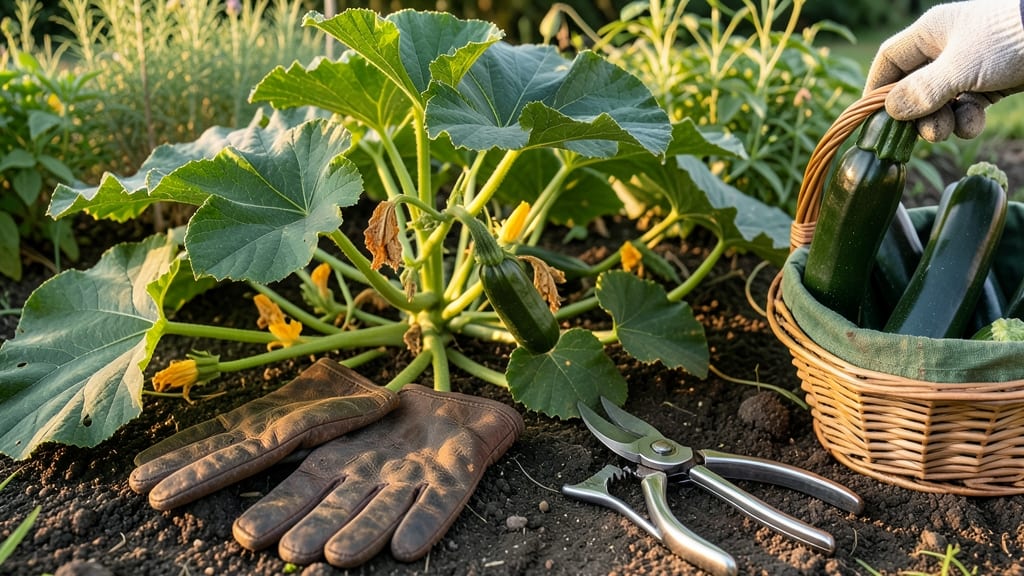
To pick zucchini from your garden at the perfect moment means crisp, tender 🍆 squash packed with flavor—before they turn tough and seedy.
Picking zucchini at the wrong time means tough, seedy squash instead of crisp, tender vegetables—don’t let your harvest go to waste! One day too late, and you’re left with a bitter, overgrown mess that even the best recipe can’t save.
Most gardeners wait until their zucchini hit 6-8 inches, but size alone isn’t enough. The real trick? Checking the skin’s firmness, the stem’s snap, and even the blossom end’s color—details that turn a guess into a foolproof harvest.
Below, I’ll walk you through three size-based tricks to nail the timing, plus how to spot overripe zucchini before it’s too late. Your summer meals will thank you.
The perfect zucchini size for harvesting: 3 key measurements to watch
Harvesting zucchini at the right size makes all the difference between tender, flavorful squash and tough, seedy disappointments. The ideal zucchini size for picking is 6-8 inches long with a 1.5-2 inch diameter.
This window ensures peak flavor and texture before the seeds harden. Timing your harvest correctly also encourages your plants to produce more fruit throughout the season.
One of the easiest ways to determine if your zucchini is ready is by checking the blossom end (the stem side). When it turns from bright green to yellow, that’s your cue to harvest.
This color change happens just as the zucchini reaches its perfect size. Pair this visual clue with the three key measurements below for foolproof results.
⚠️ NON-NEGOTIABLE: The summary table below breaks down the critical measurements for harvesting zucchini at peak ripeness. Bookmark this for your next harvest season!
Don’t rely solely on size—always perform the soft center test to confirm readiness. Press your thumbnail into the zucchini’s flesh near the blossom end. If it resists slightly but doesn’t dent deeply, it’s perfect.
A deep dent means the zucchini has overripe seeds and a tougher texture. This simple test takes just seconds and saves you from harvesting too early or too late.
The stem firmness is another critical indicator. Gently bend the stem near the blossom end—it should snap cleanly when ready for harvest. If the stem bends without snapping or feels mushy, wait another day or two.
This test ensures you’re picking zucchini at the exact moment when flavor and texture peak.
Color consistency matters too. Look for a deep, even green hue across the entire squash. Any yellowing or pale spots signal overripeness. Even if the size is right, inconsistent color means the zucchini has passed its prime.
Pair this with the 6-8 inch length and 1.5-2 inch width for foolproof results every time.
Harvesting zucchini at the right size isn’t just about taste—it’s about encouraging plant productivity. When you pick zucchini too late, the plant shifts energy from producing more fruit to seed development.
This leads to fewer harvests later in the season. By following the 3 key measurements above, you’ll maximize both flavor and yield all summer long.
Pro tip: Use a sharp pruning shears or knife to harvest zucchini, leaving a small stem attached. This prevents damage to the plant and reduces the risk of disease. Always harvest in the morning after dew has dried for the cleanest cuts and freshest squash.
Remember, zucchini grow fastest in warm weather, so check your plants every 2-3 days during peak harvest season. The more consistently you pick at the right size, the more your plants will reward you with abundant, tender zucchini all season.
🌱
How to check zucchini readiness without cutting it open: 5 non-destructive tricks
Picking zucchini at the wrong time can turn your crisp, tender harvest into tough, seedy disappointment. The good news? You don’t need to slice open every squash to check its readiness. With these 5 non-destructive tricks, you’ll master the art of harvesting at peak flavor—without wasting a single vegetable.
Let’s dive into the best ways to assess zucchini ripeness while keeping your plants productive.
First, focus on the blossom end (the stem side) of the zucchini. A firm, slightly rounded blossom end signals readiness, while a soft or sunken area means it’s overripe. This simple visual cue can save you from harvesting too late.
Pair this with the thumb pressure test: gently press your thumbnail into the skin. If it resists slightly but doesn’t dent, it’s perfect. A deep indentation means it’s past its prime.
⚠️ callout warning
- Soft blossom end = overripe zucchini (bitter, seedy).
- Yellowing skin or wrinkles = discard, even if size looks right.
- Hollow tap test (knock—if it sounds hollow, it’s too late!).
Skipping these checks leads to wasted harvests and frustrated gardeners. Check every zucchini before picking!
Next, examine the stem flexibility. Ready-to-harvest zucchini have stems that snap easily when gently bent. If the stem bends without breaking, wait a day or two. This trick works especially well for early morning harvests, when zucchini are at their crispest.
Pair it with a color gradient check: mature zucchini should be a deep, even green. Pale or mottled skin means it’s underripe or stressed.
Don’t overlook the tap test, a pro gardener’s secret. Give the zucchini a light tap with your knuckles. A solid, dull sound means it’s ready, while a hollow echo signals overripeness. This method works best on squash that are 6-8 inches long, the ideal harvest size.
Combine it with the size rule: anything smaller than 6 inches is likely underripe, while anything larger risks becoming tough and seedy.
Finally, trust your touch and sight together. Run your fingers along the skin—it should feel smooth and slightly firm, not waxy or rough. Check the stem attachment point: if it’s yellowing, harvest immediately.
This method ensures you’re picking zucchini at their peak, ready for grilling, baking, or sautéing without compromise. With these tricks, you’ll never guess again—just harvest with confidence!
Now that you know how to check zucchini readiness, you’ll enjoy crisp, seedless squash every time. Happy harvesting! 🌱