
Planting
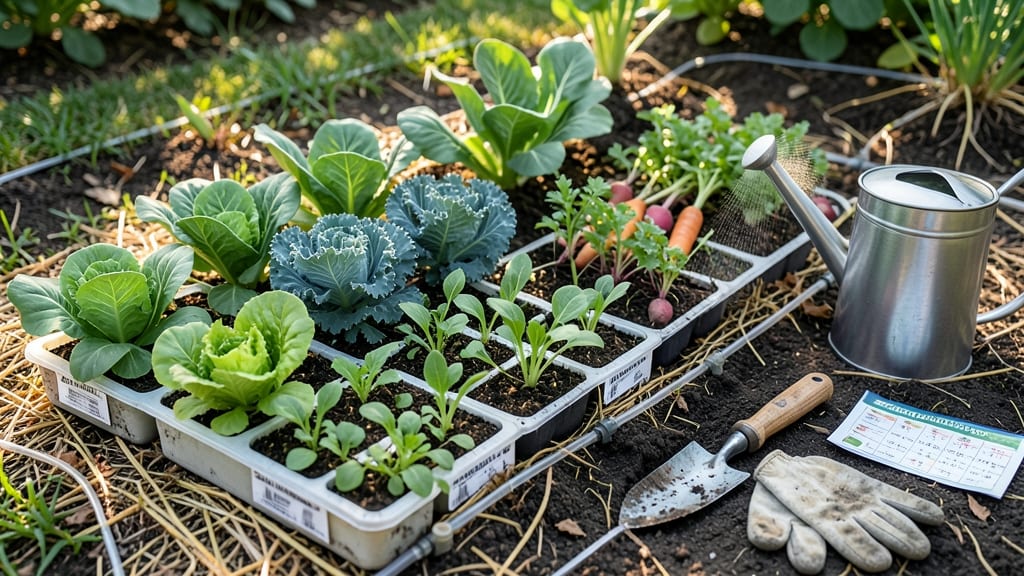
Planting a fall garden in Houston, Texas starts now—between mid-August and early October—to beat the heat and secure a harvest before the first frost.
Houston’s scorching summers can trick even seasoned gardeners into missing the perfect window for a thriving fall harvest—but timing is everything in Texas gardening.
With Zone 9a’s long growing season, you’ve got a second chance at fresh greens, root veggies, and hearty brassicas—but only if you plant them 6-8 weeks before December 1st, Houston’s average first frost.
In this guide, I’ll show you the exact dates, the 5 mistakes that kill Houston gardens, and the best heat-tolerant crops to grow when your neighbors are still sweating through summer.
Houston’s fall planting timeline: exact dates for cool-season crops
Houston’s fall planting window is a narrow but critical 6-week period that separates a bountiful harvest from disappointment. Unlike cooler climates, Houston’s humidity and lingering summer heat demand precise timing—plant too early, and your greens bolt; too late, and frost ruins your efforts.
The average first frost date in Houston is December 1, but microclimates near the coast or in urban heat islands can delay frost by 1-2 weeks.
To maximize yields, start sowing cool-season crops 6-8 weeks before that first frost. That means late August through early October is your ideal planting window. For example, leaf lettuce needs just 30 days to mature, while broccoli requires 70-80 days.
Miss this window, and you’ll either harvest in sweltering heat or face frost damage before crops mature.
Here’s the non-negotiable timeline for Houston’s fall garden, accounting for soil warmth, humidity, and microclimates:
📅 August 15-31: Start with fast-maturing crops like bush beans, radishes, and turnips. Soil temps in Houston stay above 80°F until late August, so shade cloth (30-50%) is essential for leafy greens to prevent bolting. Use drip irrigation to avoid fungal diseases from Houston’s humidity.
📅 September 1-15: This is the peak planting window for broccoli, cauliflower, kale, and carrots. Soil temps drop to 75-80°F, ideal for seed germination. Harden off transplants gradually—Houston’s sudden afternoon thunderstorms can shock tender seedlings. Mulch with straw or shredded leaves to retain moisture and regulate soil temperature.
📅 September 16-October 1: Shift to slower-growing crops like cabbage, Brussels sprouts, and spinach. By late September, nighttime temps dip below 70°F, signaling it’s time to plant onions and garlic for next spring. Use row covers if frost threatens early—urban areas like Montrose can experience light frosts by late October.
📅 October 2-15: Succession plant lettuce, kale, and arugula every 2 weeks to stagger harvests. Soil temps hover around 65-70°F, perfect for root vegetables. Avoid planting heat-sensitive crops like cucumbers or melons—they’ll struggle in Houston’s cool fall nights. This is also the last chance to direct-sow peas for a winter harvest.
| Planting Window | Best Crops | Soil Temp (°F) | Houston Microclimate Notes |
|---|---|---|---|
| August 15-31 | Bush beans, radishes, turnips, Swiss chard | 80-85°F | Use shade cloth for greens; coastal areas stay warmer. |
| September 1-15 | Broccoli, cauliflower, kale, carrots, beets | 75-80°F | Urban heat islands (e.g., Downtown) may need row covers. |
| September 16-October 1 | Cabbage, Brussels sprouts, spinach, onions | 65-75°F | Harden off transplants; Montrose sees earlier frosts. |
| October 2-15 | Lettuce, arugula, peas, garlic | 60-70°F | Succession plant every 2 weeks; avoid frost-prone areas. |
Houston’s microclimates can shift planting dates by 1-3 weeks. For example, coastal areas (like Galveston) stay warmer, allowing late October plantings of spinach and kale, while inland zones (e.g., Katy) may need to plant broccoli by mid-September to avoid frost.
Check your local frost history—the National Weather Service provides 10-year averages for your ZIP code.
Pro tip: Test your soil’s fertility before planting. Houston’s clay-heavy soil benefits from compost or aged manure to improve drainage. Aim for a pH of 6.0-7.0 for most cool-season crops.
If your soil is too acidic, add lime 4-6 weeks before planting. Organic matter also helps retain moisture—a critical factor in Houston’s humid fall weather.
Finally, monitor weather forecasts for unexpected cold snaps. Even in Zone 9a, temperatures can drop below 32°F by late November. Use frost blankets or
5 Critical mistakes Houston gardeners make planting fall crops (and how to fix them)
Fall gardening in Houston can be a game-changer for fresh produce, but even experienced gardeners often stumble into common pitfalls. The heat retention of Houston’s soil combined with late summer humidity creates unique challenges.
I’ve seen wilted greens and stunted growth from these mistakes—and I’m here to help you avoid them.
One of the biggest errors is planting too late for a successful harvest before the first frost. Houston’s average first frost date is December 1, but soil temperatures can drop earlier in some microclimates.
Missing this window means your cool-season crops won’t mature properly, leaving you with bitter greens or underdeveloped roots.
Another common mistake is ignoring soil preparation for the transition from summer to fall. Houston’s clay-heavy soil retains residual summer heat, which can stress young seedlings. Without proper amendment and cooling, your plants may struggle to establish roots before the weather turns cooler.
⚠️ callout-warning ⚠️
🚨 Houston’s Fall Planting Deadline
Your last planting window for fall crops is September 15. After this date, daylight hours and soil temps drop too quickly for most cool-season plants to mature before frost. Use row covers to extend the season by 2-3 weeks.
Choosing heat-sensitive varieties is another frequent misstep. Many gardeners reach for their favorite northern-grown lettuce or spinach without realizing Houston’s fall temperatures stay in the 80s°F well into October.
These plants bolt quickly, turning bitter and unusable. Instead, opt for heat-tolerant varieties like ‘Black Seeded Simpson’ lettuce or ‘Floriani’ spinach, which handle Houston’s extended heat better.
Overlooking succession planting can also sabotage your fall harvest. In Houston’s climate, you can’t just plant once and expect a steady supply. Radishes mature in 30 days, while carrots take 70+ days.
Planting them together means you’ll have a glut of radishes and no carrots. Instead, stagger plantings every 2-3 weeks to ensure continuous harvests.
Finally, many Houston gardeners underestimate mulch’s role in fall gardens. Without mulch, Houston’s hot soil can cook plant roots, while unprotected soil loses moisture quickly. Apply 2-3 inches of organic mulch (straw or shredded leaves) to insulate roots, retain moisture, and prevent weeds.
This simple step can double your plant’s survival rate in Houston’s tricky fall transition.