
Planting
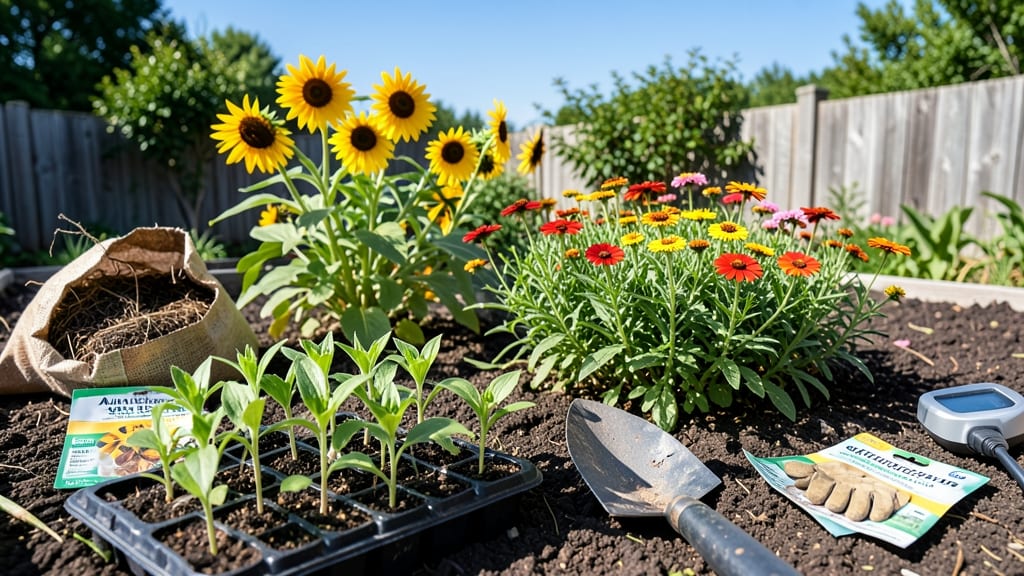
Planting a garden in Alabama at the right time means the difference between a thriving harvest and a lost season — and the best months vary wildly from Birmingham to Mobile.
Alabama’s warm climate and long growing season make it a gardener’s paradise, but planting too early or late can mean the difference between a bountiful harvest and a failed crop. Timing is everything, especially when frost-free dates vary dramatically from north to south across the state.
Cool-season crops like lettuce and broccoli need to go in the ground as soon as the soil warms in early spring, while tomatoes and peppers wait until after the last frost, which can be as late as mid-April in northern Alabama or even March in the south.
In this guide, I’ll break down the exact planting windows for your zone, plus pro tips for adjusting to Alabama’s microclimates—so you can grow more efficiently and avoid common mistakes that waste time and money.
Alabama’s frost-free dates by planting zone: when to start cool vs. warm season crops
Alabama’s diverse climate means last frost dates can vary by over 6 weeks from north to south. Knowing your USDA zone (6A-8B) helps you time cool-season crops like spinach and warm-season crops like peppers perfectly. Let’s break down the best planting windows for each zone to maximize your harvest.
In Zone 6A (north Alabama), the average last frost arrives around April 15, while Zone 8B (south Alabama) sees frost-free conditions by March 1. This difference affects when to plant everything from lettuce to tomatoes. Below, I’ve organized planting times by zone and crop type for clarity.
Pro Tip: Use a frost clock (available from local extension offices) for real-time updates, as microclimates can shift frost dates by 1-2 weeks.
For Zone 6A gardeners, cool-season crops like broccoli and kale should start in February under row covers to protect from late frosts. In Zone 8B, you can plant warm-season crops like okra and sweet potatoes as early as February—just watch for humidity spikes that invite fungal diseases.
In Zone 7A/B, the sweet spot for tomatoes and peppers, aim to transplant seedlings after April 15 when soil temps hit 60°F+. Use a soil thermometer to confirm—cold soil stunts root growth.
For cool-season crops, succession plant lettuce and radishes every 2 weeks from January through March.
If you’re in Zone 8A/B, don’t overlook fall planting. Spinach and carrots thrive in October-November when temps drop below 80°F. Just beware of hurricane season—secure
How to adjust planting times for Alabama’s microclimates and soil conditions
Alabama’s diverse landscapes create unique gardening challenges. Urban heat islands in Birmingham can push soil temperatures 10°F higher than rural areas, while Huntsville’s high-altitude zones experience earlier frosts. Even within the same county, poor drainage in low-lying areas can delay planting by weeks compared to well-drained slopes.
The key to success lies in understanding these microclimates and adapting your schedule accordingly.
For gardeners in high-altitude areas like Madison or Huntsville (USDA Zone 7a), start cool-season crops like kale or spinach in early March instead of February. These regions often see last frost dates 2-3 weeks later than coastal areas, giving you a shorter window for warm-season plants.
Meanwhile, urban gardeners in Mobile or Montgomery (Zone 8a) can plant tomatoes and peppers as early as mid-February with minimal frost risk.
Here’s how to adjust your planting schedule for Alabama’s most common microclimates:
Soil conditions also demand adjustments. If your garden has clay-heavy soil, amend with compost and sand before planting to improve drainage. For sandy soils, incorporate organic matter like peat moss to retain moisture.
Test your soil’s pH—most Alabama gardens benefit from sulfur amendments to lower pH for acid-loving plants like blueberries or azaleas.
For container gardening in urban areas, choose fast-maturing varieties like bush beans or cherry tomatoes. These thrive in pots and can be planted 2 weeks later than in-ground crops, as containers warm up faster. Always use well-draining potting mix and place containers in south-facing spots to maximize heat absorption.
By tailoring your planting schedule to your local microclimate, you’ll enjoy longer harvests and healthier plants. Start with small adjustments—like delaying cool-season crops by a week in high-altitude areas—and observe how your garden responds. With time, you’ll fine-tune your timing to match Alabama’s ever-changing conditions perfectly. 🌱