
Planting
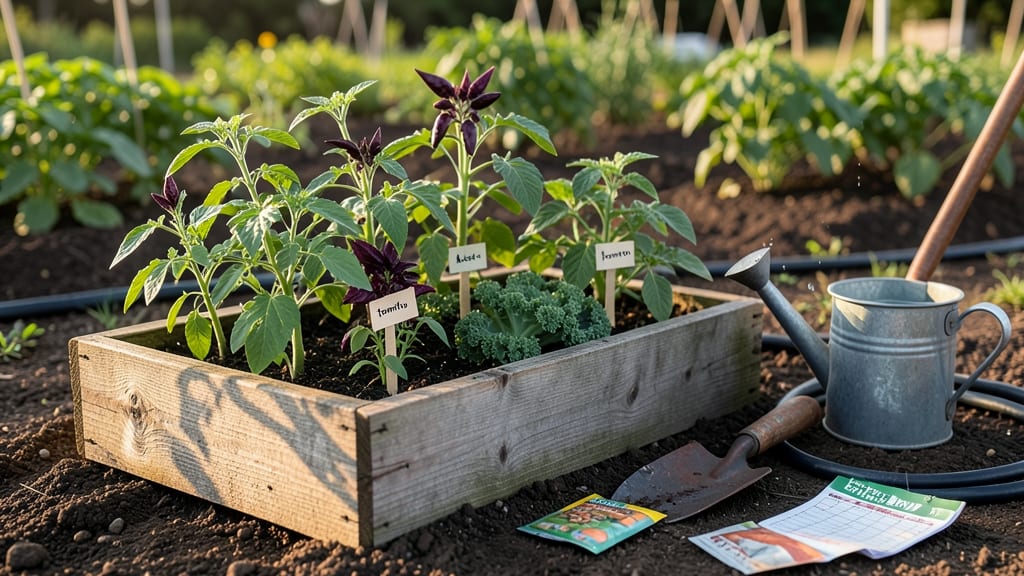
To plant a garden in Colorado, time it between mid-April and mid-June for spring crops or August-September for fall planting — but those dates shift wildly depending on your elevation and microclimate.
Colorado’s unpredictable climate—from early mountain snow to late spring freezes—can turn gardening into a high-stakes guessing game. Plant too soon, and frost will wipe out your hard work; wait too long, and you’ll miss the growing season entirely.
The key? Adjusting for your USDA zone (5–7) and local frost patterns. Denver’s Front Range might be ready by late April, while high-altitude areas like Boulder could still see frost in early June.
We’ll break down the exact deadlines by plant type so you can avoid the common mistakes that derail Colorado gardens.
You’ll also learn how to use row covers, cold frames, and local weather tools to stretch your season—because in Colorado, the difference between a thriving 🌱 garden and a failed experiment often comes down to timing.
Colorado planting deadlines by USDA Zone: frost dates and safe times
Colorado’s USDA hardiness zones 4–8 create wildly different planting windows—from the high-altitude chill of Zone 4 in Steamboat Springs to the warmer Zone 8 pockets near Grand Junction.
The average last frost dates (based on 1981–2010 data) shift dramatically with elevation, meaning your Denver garden might have a 3-week earlier start than a mountain town garden just 50 miles away. Understanding these deadlines helps you avoid the heartbreak of frost-killed seedlings or missed harvests.
For most Colorado gardeners, the 10-day rule is your best friend: plant cold-hardy crops (like peas or spinach) 10 days before your average last frost date. This buffer accounts for late freezes, which are common in the Front Range foothills.
Meanwhile, warm-season crops (tomatoes, peppers) need to wait until 2–3 weeks after the last frost—because even a light frost will ruin tender seedlings. Let’s break down the exact dates by zone and region.
⚠️ NON-NEGOTIABLE: Colorado’s microclimates can shift frost dates by weeks. Urban areas like Denver often warm up faster than rural spots, while mountain valleys (e.g., Glenwood Springs) may experience frost 2 weeks later than the zone average. Always check local weather stations (like CSU’s AgriMet) for real-time updates.
In Zone 4 (e.g., Steamboat Springs), your growing season is short—just 90–120 frost-free days. Focus on fast-maturing crops like bush beans, radishes, and kale, and use row covers to extend spring planting.
Meanwhile, Zone 8 gardeners in Grand Junction enjoy a 180-day window, perfect for tomatoes, peppers, and melons that need a long, hot season.
For cool-season crops (like lettuce, spinach, or broccoli), start seeds indoors 4–6 weeks before your last frost date.
In Denver (Zone 6), that means sowing by March 15 for a May harvest. Warm-season crops (tomatoes, squash, basil) should wait until 2–3 weeks after the last frost—so in Colorado Springs (Zone 6), hold off until May 1 to avoid frost damage.
Don’t forget fall planting! Colorado’s second growing season (August–October) is often overlooked but just as productive. In Zone 5, you can plant spinach, peas, and garlic until September 1 for a winter harvest.
Use mulch to protect roots from early frosts, and choose cold-hardy varieties like ‘Winter Density’ kale or ‘Mammoth Melting’ sugar snap peas.
If you’re in a transition zone (e.g., Zone 5/6 overlap near Boulder), err on the side of caution. Plant
Best plants to grow in Colorado by season (and when to start indoors)
Colorado’s short growing season demands smart planning—especially when choosing between cool-season crops that thrive in spring and fall and heat-loving veggies that need summer’s warmth. For example, spinach and peas can handle early spring plantings, while tomatoes and peppers need to wait until after the last frost.
Even perennials like lavender and coneflowers benefit from strategic timing to establish strong roots before winter.
Indoor seed-starting is your secret weapon for beating Colorado’s unpredictable climate. Begin tomatoes and peppers indoors 6–8 weeks before your last frost date (typically mid-April in lower elevations, later in the mountains).
For cool-season crops, direct-sow spinach and kale as soon as soil is workable—often by early March in warmer zones like Zone 6.
For heat-loving veggies like tomatoes and peppers, wait until soil temperatures reach 60°F (15°C)—usually mid-May to June in most of Colorado.
These plants are frost-sensitive, so use row covers if early planting is tempting. Swiss chard and beets are drought-tolerant picks that thrive in Colorado’s dry heat, while bush beans love the warm soil of summer.
Perennials like lavender and coneflowers are low-maintenance workhorses for Colorado gardens. Plant them in spring or fall to avoid transplant shock during summer’s heat. Lavender needs full sun and well-draining soil—critical in Colorado’s clay-heavy soils—while coneflowers attract pollinators and handle drought once established.
Don’t overlook fall planting! Cool-season crops like spinach and radishes can be direct-sown as early as August for harvests before the first frost. Use black plastic mulch to warm soil in spring or straw mulch to retain moisture in summer.
With these strategies, you’ll maximize Colorado’s growing season—no matter the elevation!