
Planting
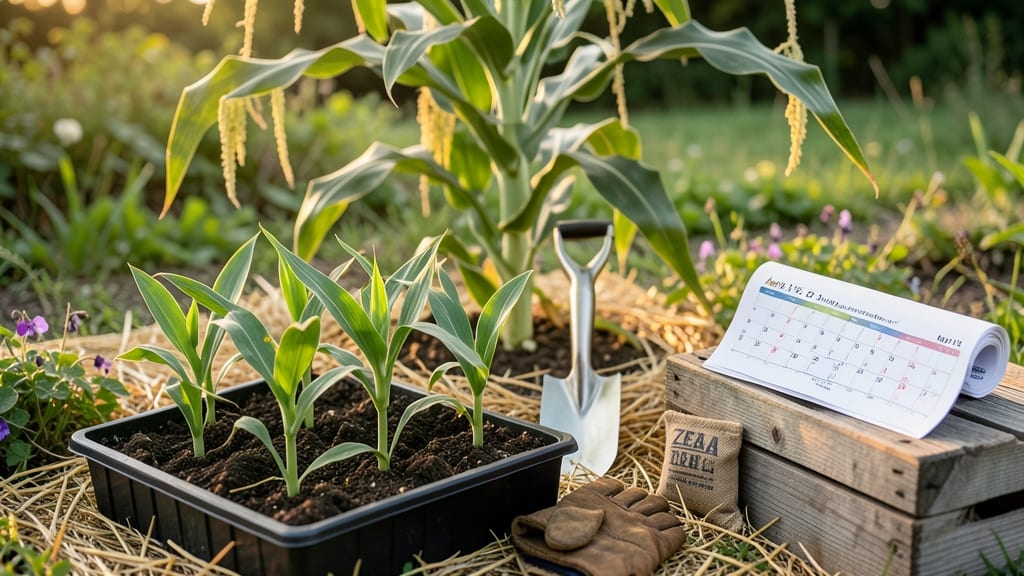
Planting a garden in Iowa at the right time means the difference between a lush harvest and a total loss to late frosts.
Iowa’s unpredictable Zone 5b climate means planting your garden at the wrong time can mean lost crops—or worse, a total wipeout from late frosts. But timing it right guarantees a bountiful harvest, and we’ll break down the exact windows for every type of plant.
Most Iowa gardeners wait until after the average last frost date in mid-April, but cooler years can push that back to early May. Warm-season crops like tomatoes and peppers need soil temperatures above 50°F to thrive, while cool-season greens can handle frost and even prefer it.
In this guide, you’ll find the best planting schedule for your Iowa garden, including how to adjust for early or late years, protect tender seedlings, and maximize your growing season. Let’s get those seeds in the ground at the perfect moment!
Iowa Zone 5b frost dates: when to expect last & first frosts
Understanding Iowa's Zone 5b frost dates is the foundation of successful gardening in this region. The average last spring frost typically occurs around April 25-May 10, while the first fall frost usually arrives between October 5-15.
These dates create a 150-160 day growing season, which determines what you can safely grow each year.
However, these dates are just averages—actual frost dates can vary by 2-3 weeks depending on weather patterns. That's why experienced Iowa gardeners use a 10-day rule: Wait 10 days after the average last frost before planting warm-season crops like tomatoes and peppers.
This buffer accounts for those pesky late frosts that can still occur.
Your location within Iowa also matters. Southern Iowa (like Des Moines) tends to have earlier last frosts and later first frosts than northern areas (like Waterloo). Urban areas can be 1-2°F warmer than rural zones, creating microclimates that may allow slightly earlier planting in some spots.
Here's a quick reference for Iowa's frost dates by region:
| Region | Avg Last Frost | Avg First Frost | Growing Season | Planting Tip |
|---|---|---|---|---|
| Southern Iowa (Des Moines) | April 20-May 5 | October 10-20 | 160-170 days | Plant warm crops after May 15 |
| Central Iowa (Ames) | April 25-May 10 | October 5-15 | 150-160 days | Use row covers for early plants |
| Northern Iowa (Waterloo) | May 1-15 | September 25-October 5 | 140-150 days | Start seeds indoors earlier |
| Urban Areas (Cedar Rapids) | April 22-May 7 | October 8-18 | 155-165 days | Check microclimate variations |
To extend your growing season in Zone 5b, consider using floating row covers or low tunnels. These can push your last frost back by 2-4 weeks in spring and delay the first frost by 1-2 weeks in fall.
For example, you might plant spinach under row covers as early as March 20 for an earlier harvest.
For cool-season crops like lettuce and peas, you can plant as soon as the soil is workable—typically mid-to-late April. These hardy plants can often survive light frosts, though they may bolt if exposed to temperatures below 25°F.
Always check your local Almanac frost predictions for the most current data.
Remember that soil temperature matters more than air temperature for planting. Most seeds need soil that's at least 50°F for warm-season crops and 40°F for cool-season varieties. Use a soil thermometer to verify before planting—this is especially critical for tomatoes, peppers, and cucumbers.
If you're planning to plant perennials or shrubs, aim for early spring (April) or fall (October) when the ground isn't frozen. These plants establish roots better in cooler temperatures, and you'll avoid the stress of transplant shock during summer heat.
For container gardening, you have more flexibility. Move pots to sheltered areas during late frosts, and consider using heat mats to extend your growing season. This is particularly useful for herbs like basil and vegetables like peppers that need consistent warmth.
Track your own frost dates for at least 3 years to identify patterns in your specific microclimate. This local knowledge becomes invaluable for planning future gardens—especially when deciding whether to plant early-maturing varieties or push the limits with season extenders.
Best planting schedule for Iowa gardens: cool-season vs. warm-season crops
Iowa's Zone 5b climate demands precise timing to avoid frost damage or stunted growth. Cool-season crops thrive in spring and fall, while warm-season varieties need summer's heat.
My planting schedule aligns with Iowa's average last frost (May 10) and first frost (October 10), but I'll show you how to adjust for early/late years.
Start by grouping plants into cool-season (35-75°F) and warm-season (75-90°F) categories. Succession planting every 2-3 weeks ensures continuous harvests. For example, plant lettuce every 14 days from April through August. Heat-tolerant varieties like 'Heatwave' tomatoes or 'Outredgeous' red peppers extend your warm-season window by 2-4 weeks.
Here's my month-by-month breakdown for Iowa gardens, including specific start dates and harvest windows:
Adjust your schedule if your spring arrives early or late. Use the 10-day rule: wait 10 days after your average last frost date to plant warm-season crops. For late years, opt for heat-tolerant varieties like 'Arkansas Traveler' tomatoes or 'Malabar' spinach that handle 90°F+ temperatures better than standard varieties.
Extend your growing season by planting cool-season crops in late summer (August) for fall harvests. Try bush beans or turnips—they mature quickly in Iowa's shorter fall days. For warm-season plants, use row covers to warm soil 2-3°F faster in spring or protect from light frosts in early fall.
My top tip? Keep a gardening journal to track your local frost dates and adjust future years. Iowa's climate varies by 5-7 days annually, so flexibility is key. Start with these guidelines, then refine based on your microclimate—urban areas often warm up 1-2 weeks earlier than rural zones.