
Planting
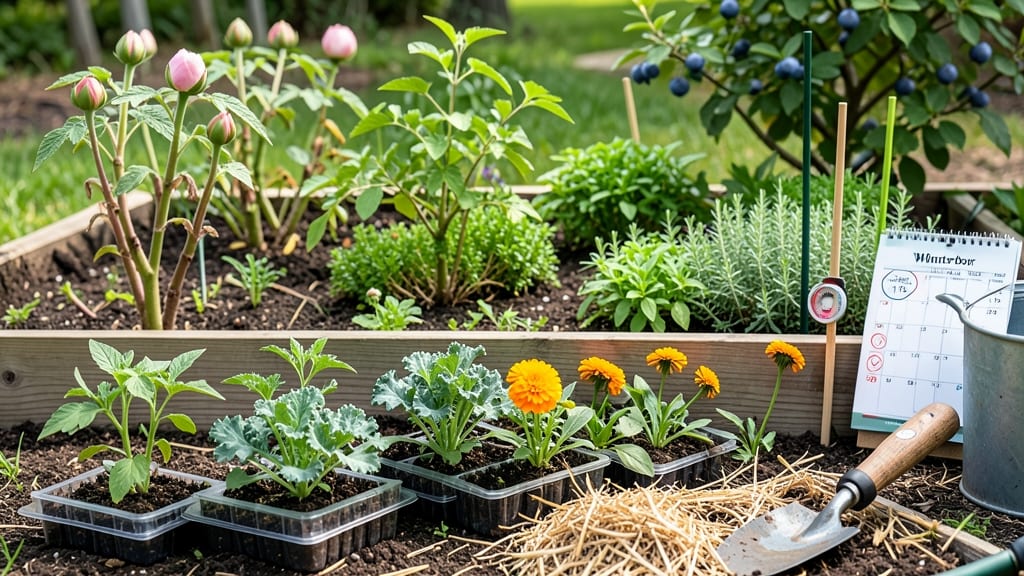
Planting a garden in Michigan at the right time means the difference between a perfect harvest and wasted effort — and the last frost date is your secret weapon.
Michigan’s unpredictable frost dates can turn a thriving garden into a failed experiment—or make your harvest the envy of the neighborhood. Timing your planting just right means the difference between wilted dreams and a bountiful harvest.
With USDA zones ranging from 5a to 6b, Michigan gardeners face unique challenges. Southern Michigan’s warmer microclimates let you plant earlier, while northern regions may need to wait until early May.
Cool-season crops like spinach and peas can go in as early as mid-April, but tomatoes and peppers need to wait until after mid-May.
Below, I’ll break down the exact frost dates by zone, share pro tips for extending your season, and help you avoid common mistakes that ruin even the best-laid plans. Let’s get started!
Michigan’s frost dates by hardiness Zone: when to plant cool-season vs. warm-season crops
Michigan’s USDA hardiness zones range from 5a-6b, creating distinct planting windows across the state. In Zone 5 (northern Michigan), the last spring frost typically arrives May 1-15, while Zone 6 (southern Michigan) sees it April 15-May 1.
These dates determine whether your spinach thrives or your tomatoes shiver—getting them right means the difference between a bountiful harvest and wasted effort.
Understanding these frost timelines helps you align planting with your garden’s climate. Cool-season crops like peas and kale can handle chilly soil, while warm-season plants like peppers and cucumbers need soil temperatures above 60°F to germinate.
Let’s break down the critical frost dates by zone and how to use them for your garden’s success.
For cool-season crops, like spinach, peas, and broccoli, you can start seeds indoors 4-6 weeks before your last frost date. In Zone 5, that means sowing late February to early March, while Zone 6 gardeners can begin as early as January.
These hardy plants tolerate light frosts and even snow cover, so don’t hesitate to plant them early.
Warm-season crops, including tomatoes, peppers, and beans, require warmer soil and air temperatures. Wait until 2-3 weeks after your last frost date to plant these heat-lovers. In Zone 5, that’s typically mid-May, while Zone 6 gardeners can plant as early as late April.
Use row covers or black plastic mulch to warm the soil faster if needed.
Fall planting is just as critical as spring. Cool-season crops like kale and radishes can be sown 6-8 weeks before your first frost date. In Zone 5, that’s late July to early August, while Zone 6 gardeners have until mid-August.
These late-season crops often produce sweeter flavors after a frost, so don’t skip this window!
Microclimates within Michigan can shift frost dates by 1-2 weeks. A south-facing slope or urban heat island may warm up faster, while low-lying areas or near lakes can delay spring or bring early fall frosts.
Monitor local weather forecasts and use frost-sensitive plants like basil as early warning systems—they’ll wilt if frost is near.
Pro tip: Succession planting maximizes your harvest. For warm-season crops, sow every 2 weeks after your initial planting until 6-8 weeks before your first frost. This ensures a steady supply of bush beans,
How to extend your Michigan growing season: tips for early planting and late harvests
Michigan’s short growing season doesn’t have to limit your harvest potential. With the right strategies, you can start plants earlier and harvest later than the average gardener. The key lies in protecting tender plants from late frosts and maximizing warm days before winter sets in.
Whether you’re growing leafy greens in spring or tomatoes in summer, these techniques will give you an edge.
One of the most effective ways to extend your season is by using season extenders like cold frames, row covers, and cloches. These tools create microclimates that trap heat and shield plants from unpredictable frost.
For example, a simple floating row cover can add 4-6 weeks to your growing season by protecting seedlings from light frosts. Pair these with succession planting, and you’ll have a continuous harvest instead of a single bumper crop.
🌱 Key Strategies for Extending Your Season
- Cold Frames: Use for early spring and late fall planting. They raise soil temps by 10-15°F and protect plants from light frost.
- Row Covers: Lightweight fabric that shields plants from 32°F frost. Ideal for broccoli, lettuce, and spinach in spring.
- Succession Planting: Sow fast-maturing crops like radishes or bush beans every 2-3 weeks to ensure a steady harvest.
- Heat-Tolerant Varieties: Choose drought-resistant plants like Swiss chard or Malabar spinach that thrive in hot summer conditions.
- Soil Preparation: Amend soil with compost and aged manure in early spring to warm up faster and retain moisture.
Don’t overlook the power of fall planting for cool-season crops. Many gardeners assume the season ends after summer, but kale, carrots, and Brussels sprouts actually sweeten in cold weather. Start these 6-8 weeks before your first frost (typically late July in southern Michigan) to ensure a harvest before winter.
Use black plastic mulch to absorb heat and extend the season by another 2-3 weeks.
For warm-season crops like peppers and eggplants, focus on hardening off seedlings properly and using black plastic mulch to warm the soil. These plants need soil temps of at least 60°F to thrive, so waiting for the ground to warm naturally (or using a soil warming mat) is crucial.
Pair this with drip irrigation to maintain consistent moisture, which helps plants withstand heat stress.
Finally, keep a planting journal to track what works best in your microclimate. Note which season extenders perform best, which varieties thrive, and when you harvest successfully.
Over time, you’ll refine your approach and push your garden’s limits even further. With these strategies, you’ll enjoy fresh produce well into fall and earlier harvests next spring.
Extend your season with confidence, and watch your Michigan garden thrive beyond the frost! 🌿