
Planting
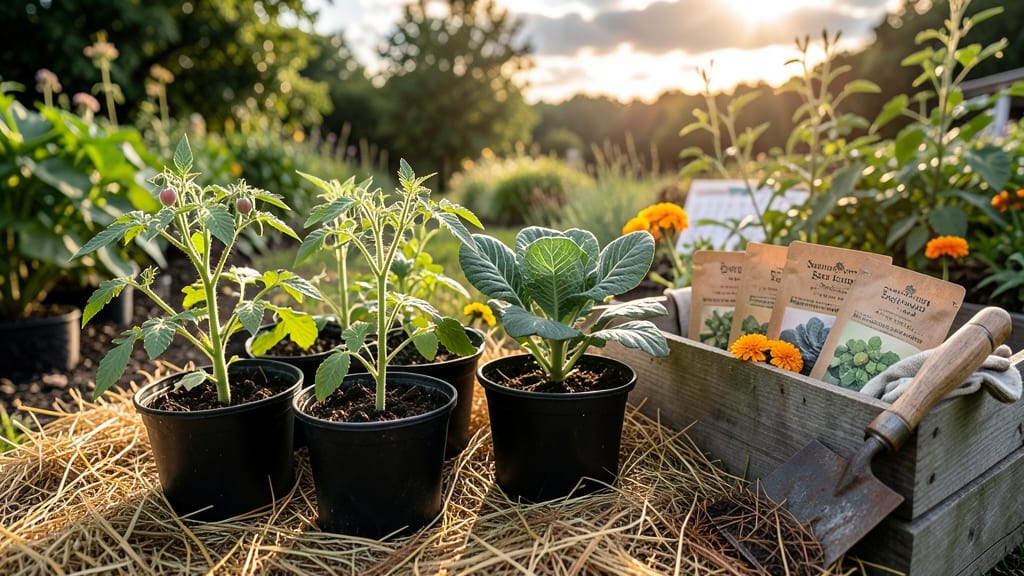
Planting a garden in South Carolina at the right time means the difference between a bountiful harvest and a sad, wilted disappointment.
Picture this: you’ve prepped the soil, chosen your seeds, and are ready to dive in—only to watch a late frost nip your tender seedlings. Or worse, you wait too long, and the summer heat arrives before your tomatoes even set fruit.
That’s why timing isn’t just important; it’s the key to success in a state where USDA Zones 7b-8a stretch from the coast to the Piedmont.
South Carolina’s warm climate gives gardeners a long growing season, but that doesn’t mean you can plant whenever you feel like it. Cool-season crops like lettuce and broccoli need to hit the ground early, while heat-lovers such as peppers and okra demand the dog days of summer.
Even within the state, microclimates—like the cooler highlands or the humid coast—shift those deadlines.
In this guide, I’ll break down the exact weeks to plant for your zone, whether you’re sowing seeds in March or putting in fall greens in October. You’ll learn how to read frost forecasts, adjust for your local weather quirks, and even stretch your season with simple tricks.
Ready to turn your patch of dirt into a thriving garden? Let’s get started.
South Carolina planting zones & key deadlines by season
South Carolina spans USDA Zones 7b through 8a, creating a year-round gardening opportunity with 300+ frost-free days in coastal areas. But even here, timing matters—planting too early can mean frost damage, while waiting too long cuts harvests short.
Let’s break down your zone-specific deadlines for cool-season and warm-season crops, plus how to adjust for coastal humidity vs. Piedmont heat.
Your last spring frost typically arrives between March 15 (Zone 7b) and April 1 (Zone 8a), while first fall frost hits November 15–December 1. Coastal areas like Charleston (Zone 8a) enjoy a 20–30-day longer growing season than Upstate regions like Greenville (Zone 7b).
Use these microclimate adjustments to fine-tune your planting schedule for peak yields.
For cool-season crops like kale, broccoli, and lettuce, start seeds 4–6 weeks before your last frost indoors or use row covers to extend early spring plantings.
In Zone 7b, aim for March 1–April 15; in Zone 8a, you can push this to April 1–May 1. Fall plantings should begin 8–10 weeks before first frost—so September 1–October 15 for Upstate, October 1–November 1 for coastal areas.
Warm-season crops like tomatoes, peppers, and cucumbers need soil temps above 60°F to thrive. In Zone 7b, wait until April 15–May 15; in Zone 8a, you can start as early as March 30 in coastal areas. Use black plastic mulch to warm soil faster in Piedmont regions, where cooler nights delay planting by 2–3 weeks compared to the coast.
Pro tip: Succession planting works year-round in SC. After harvesting early spring greens, replant with summer squash or beans. In fall, swap out bolting lettuce for cold-hardy spinach or radishes. This keeps your garden productive for 10+ months.
Watch for late spring frosts, especially in Zone 7b. Use frost cloths or row covers to protect tomato seedlings planted in early April. Coastal gardeners can often plant warm-season crops in March thanks to warmer ocean breezes, but always check 7-day forecasts before exposing tender plants.
Soil prep is critical. In Piedmont clay soils, add compost and sand to improve drainage, while coastal
Best crops to plant by month in South Carolina
South Carolina’s Zone 7b-8a climate lets you grow nearly year-round, but knowing month-by-month planting maximizes your harvests. Start with cool-season crops in early spring, then transition to heat-loving vegetables as temperatures rise. Here’s my foolproof schedule for continuous yields.
For Zone 8 gardeners, focus on heat-tolerant varieties like 'Celebrity' tomatoes and 'Jupiter' peppers, which thrive in summer’s humidity. Coastal areas may need earlier plantings due to milder winters, while Piedmont regions should watch for late spring frosts.
- January-February: Plant broccoli, kale, and spinach for early spring harvests. Onion sets and garlic can go in now too.
- March-April: Start tomatoes, peppers, and cucumbers indoors. Direct-sow beans, squash, and lettuce after last frost (mid-April in most areas).
- May-June: Plant okra, sweet potatoes, and Southern peas for summer heat. Succession-plant bush beans every 2 weeks for continuous harvests.
- July-August: Sow fall greens like collards and turnips for late-season harvests. Transplant broccoli and cabbage for fall crops.
- September-October: Direct-sow carrots, radishes, and mustard greens. Plant garlic for next year’s harvest.
Don’t forget herbs like basil and cilantro—they thrive in spring/fall but bolt in summer’s heat. For flowers, try marigolds (pest control!) and zinnias (long-lasting blooms) in late spring.
Use succession planting for bush beans and lettuce—sow new seeds every 2-3 weeks to avoid gluts. In Zone 8, you can even plant cool-season crops in late fall for winter harvests.
Pro tip: Mulch heavily in summer to retain moisture and water deeply in the morning to prevent fungal diseases. With this schedule, you’ll enjoy fresh homegrown produce from January through December! 🌱