
Planting
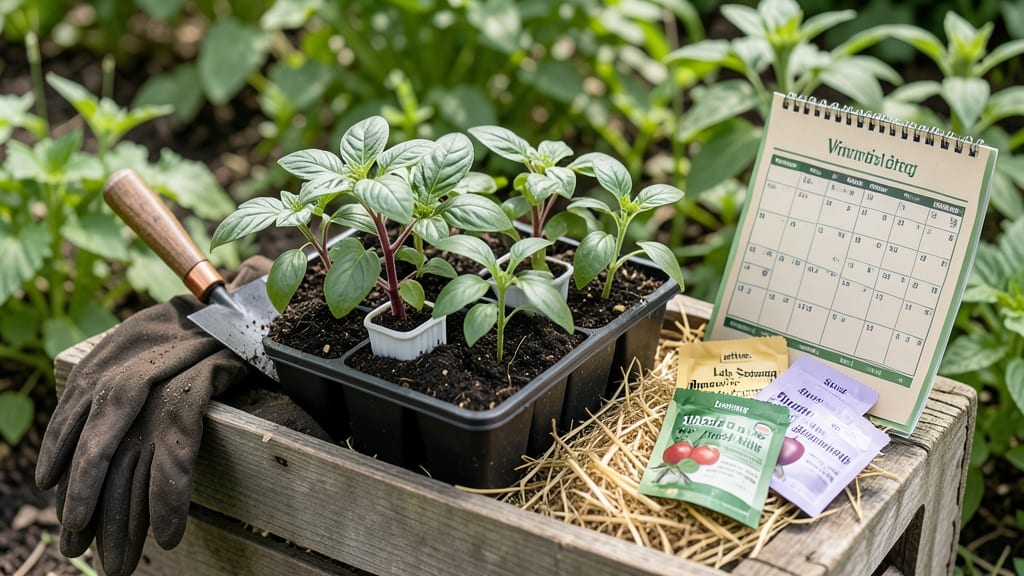
Planting a garden in Virginia at the right time means the difference between a bumper crop and a frustrating flop—and the clock starts ticking as soon as the soil warms up.
Virginia’s diverse climate—from the coastal plains to the Appalachian Mountains—means your garden’s success hinges on timing. Plant too early, and frost will strike; too late, and your harvest shrinks. Here’s the exact schedule for planting in Virginia’s zones to maximize yields and avoid common pitfalls.
Whether you’re prepping for spring greens or summer tomatoes, knowing your USDA zone (like 7b or 8a) and local frost dates is the key. Miss the window, and you’ll end up with leggy seedlings or bolted lettuce—neither of which tastes like victory.
Below, I break down the fastest-growing planting times for Virginia’s top crops, microclimate tweaks, and how to stretch your season for year-round harvests—no guesswork, just results.
Virginia planting zones & ideal start dates by season (with frost risk alerts)
Virginia spans USDA zones 5b through 8a, creating dramatic differences in planting windows. The coastal plains (7b-8a) enjoy longer growing seasons, while mountain regions (5b-6a) face earlier frosts. Understanding these zones helps you avoid frost damage and maximize harvests.
For cool-season crops like lettuce and peas, start seeds indoors 6-8 weeks before your last frost date. Warm-season crops (tomatoes, peppers) need to wait until soil warms to 60°F+—usually mid-April to early May in most zones.
Last frost dates vary wildly: March 15 (coastal) vs. May 1 (mountains). Use these as your planting benchmarks, but always monitor local microclimates—valleys freeze faster than ridges.
| Zone | Last Frost | First Frost | Cool-Season Start | Warm-Season Start |
|---|---|---|---|---|
| 7b (Coastal) | March 15 | November 15 | February 15 | April 15 |
| 7a (Piedmont) | March 30 | October 30 | March 1 | April 30 |
| 6b (Valleys) | April 15 | October 15 | March 15 | May 15 |
| 8a (Southeast) | March 1 | December 1 | January 15 | March 15 |
🌡️ Frost Risk Alert: Coastal areas have 100+ frost-free days; mountains may see 120 days of frost risk annually.
In zone 8a (southeast VA), you can grow year-round greens with minimal frost risk. But in zone 6b (mountains), prioritize fast-maturing varieties like bush beans or radishes to avoid late-season frosts.
Use row covers to extend your spring planting window by 2-3 weeks. For warm-season crops, wait until nighttime temps stay above 50°F—check your local almanac for real-time updates.
Pro tip: Plant cold-hardy crops like kale or spinach in late summer for a fall harvest. These thrive in cooler temps and often outlast frost.
For transplants (tomatoes, peppers), wait until soil reaches 65°F—use a soil thermometer to avoid stunted growth. In cooler zones (6b), start seeds indoors in March for a head start.
Remember: Microclimates matter. A south-facing slope warms faster than a north-facing yard. Adjust your planting dates accordingly—sometimes by weeks.
Track your local frost dates using the Virginia Cooperative Extension or NOAA frost maps. These tools provide hyper-localized planting advice to beat frost risks.
Best crops to plant now in Virginia (by month) for year-round harvests
Virginia’s growing season stretches from late winter to early fall, but timing is everything. The Piedmont region warms faster than coastal areas, while mountain zones stay cooler longer.
By aligning your planting with Virginia’s microclimates, you can enjoy continuous harvests—think crisp spring lettuce followed by summer tomatoes and fall collards. The key? Planting at the right time for each crop’s needs.
Forget the one-size-fits-all approach. Cool-season crops like broccoli and peas thrive in March-April or September-October, while warm-season powerhouses such as sweet potatoes and okra demand soil temperatures above 60°F.
Even "forgotten" crops like Southern peas and Malabar spinach can extend your harvests when planted at the perfect moment. Let’s break it down by month for Virginia’s USDA zones 7b-8a.
Plant: Peas, lettuce, spinach, broccoli, carrots
Tip: Use row covers for frost protection.
Plant: Tomatoes, peppers, cucumbers, sweet potatoes, okra
Tip: Wait until soil is 60°F+ to avoid stunted growth.
Plant: Southern peas, collards, kale, green beans
Tip: Mulch heavily to retain moisture during heatwaves.
Plant: Cabbage, radishes, turnips, garlic, onions
Tip: Harvest before first frost (avg. Nov 15 in 7b).
Plant: Cover crops (clover, winter rye), garlic, hardy greens
Tip: Plant garlic in late Nov for next year’s harvest.
Don’t overlook Virginia’s heat-loving crops like collard greens and sweet potatoes. These thrive in summer’s oppressive heat when other plants wilt. For example, collards planted in late July can produce tender leaves well into December if protected from frost.
Similarly, sweet potatoes need 90+ days of warm soil, so start slips in May for a fall harvest.
Pro tip: Use season extenders like cold frames or low tunnels to push harvests earlier or later. In Zone 7b, a cold frame can add 3-4 weeks to your spring greens or fall carrots.
For Zone 8a, focus on succession planting—sow green beans every 2 weeks from May to July for a steady supply.
Remember, Virginia’s last frost dates vary wildly: March 15 in Tidewater vs. April 15 in the Blue Ridge. Check your local Cooperative Extension for precise dates, and adjust your schedule accordingly.
With this month-by-month guide, you’ll turn your Virginia garden into a year-round harvest machine—no wasted space or missed opportunities! 🌱